Published: May 14, 2021
By Jim Lichtman
In the ’70s film, The Graduate, young Benjamin Braddock is attending a celebratory party arranged by his parents when he is pulled to the side by a business friend of the family. The older man puts his arm around Ben, then lowers his voice before distilling his business wisdom into one word: Plastics.
Plastics may have been the best career advice at the time but times have changed.
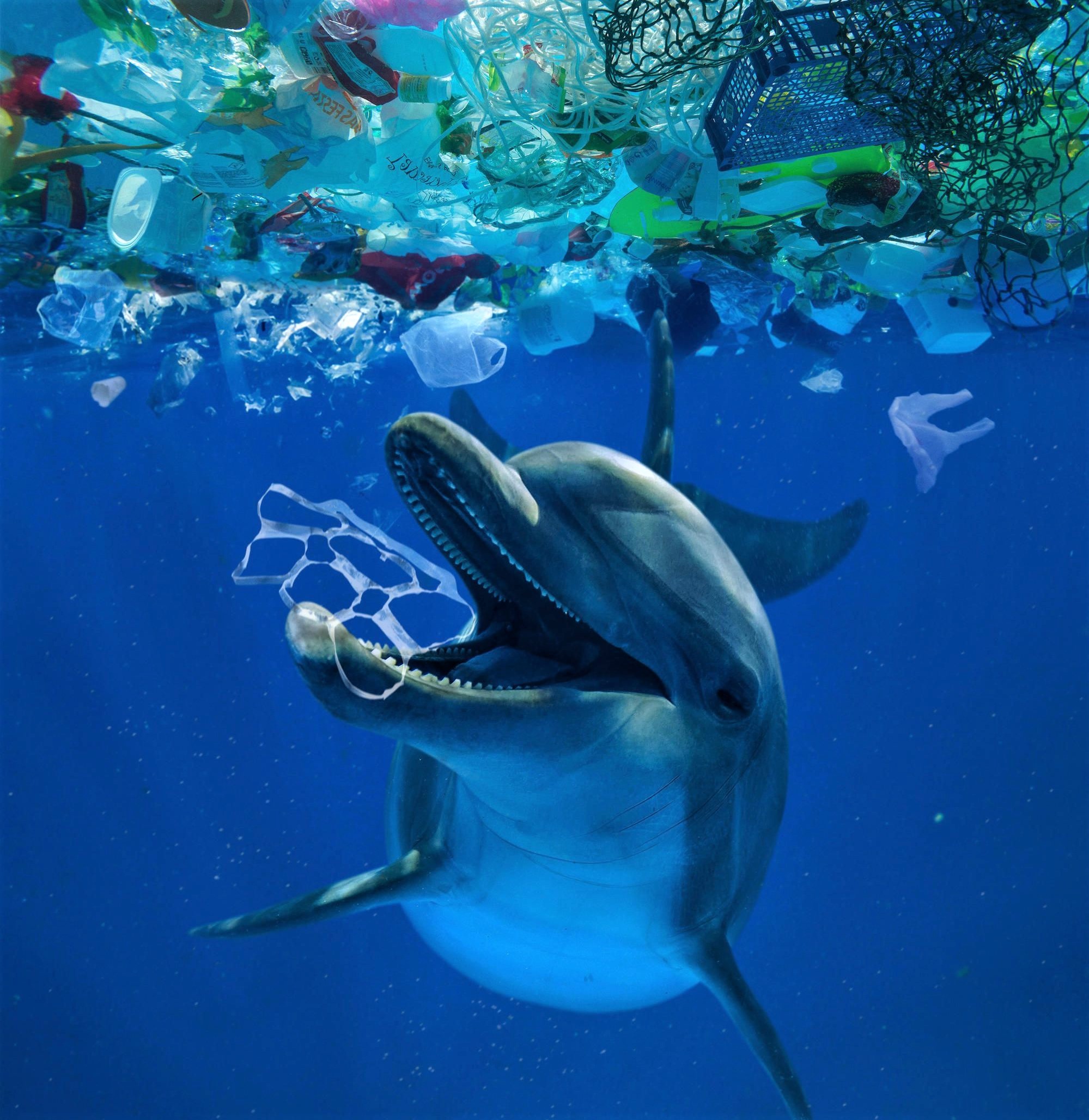
The amount of trash rolling around the oceans of the world is staggering. More staggering is that 80 percent is plastic. How much?
According to the National Geographical Society, (are you sitting down?), “There are 5.25 trillion pieces of plastic debris in the ocean. Of that mass, 269,000 tons float on the surface, while some four billion plastic microfibers per square kilometer litter the deep sea.”
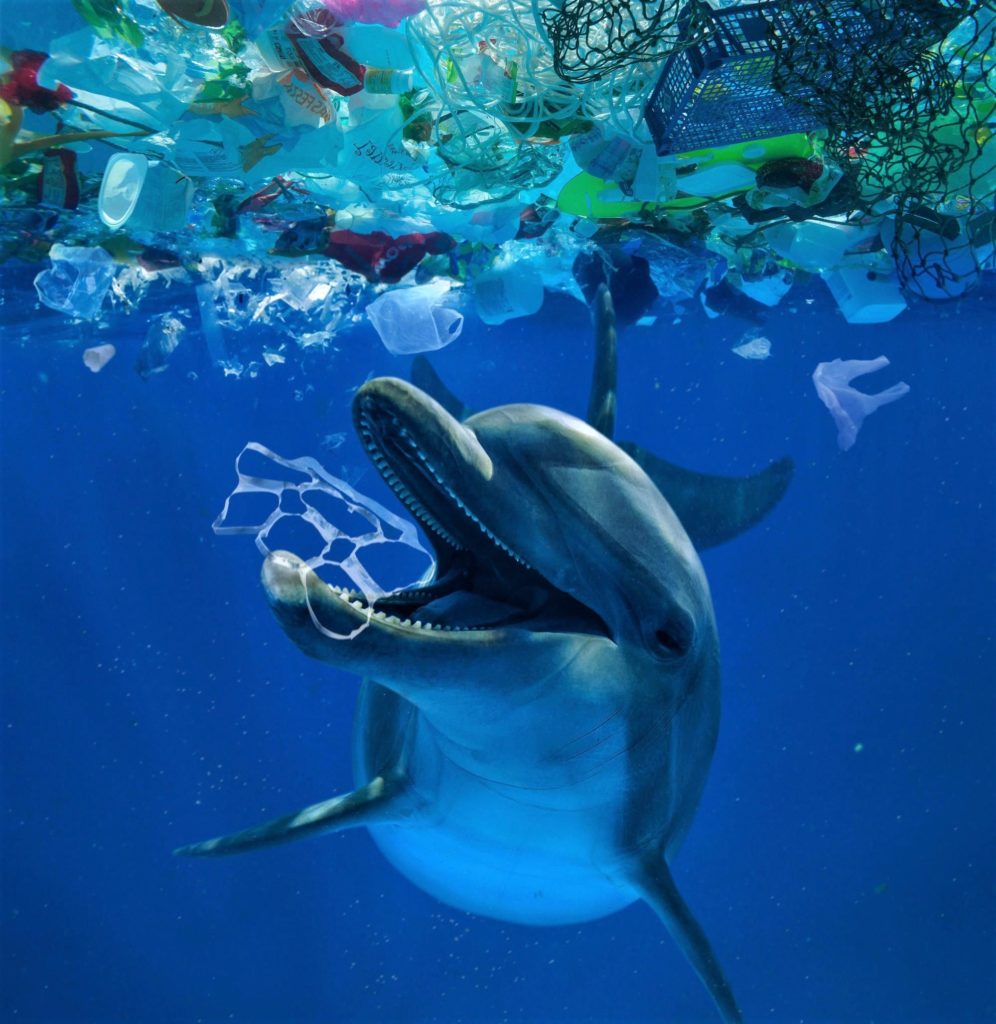
To say that man’s impact on the oceans has been exceedingly irresponsible is putting it mildly.
SeaCleaners, an organization devoted to the issue of plastic waste, reports that “Seventeen tons of plastic waste are dumped into the oceans every minute… and 1,400 species are already impacted.”
Last year, “three separate scientific papers… red-flagged the scope of the problem for the public. But beyond the shock value, just how does adding up those rice-size fragments of plastic help solve the problem?”
Here’s what it is.

SeaCleaners has developed an incredible piece of engineering that begins to address the problem with extraordinary results.
Here’s what it does.
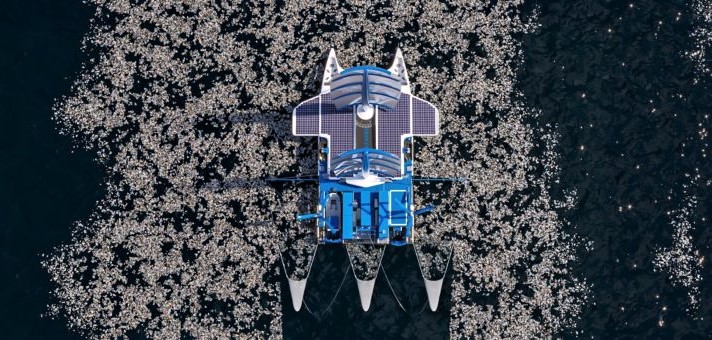
It sails along the ocean and like a Manta Ray, sifts and collects plastic and other waste. Inside the vessel, the waste is sorted, and the plastic is used to run the ship. The rest is collected and deposited into containers for recycling centers. All of this is the result of engineering a group of forward-thinking individuals who are focused on the solution to a worldwide problem.
While I applaud the incredible achievements in space of Elon Musk and Jeff Bezos, wouldn’t it be great if they could expand their thinking and engineering achievements to dealing with plastic and other wastes?
Manta is a great start to the problem, however, each of us owns part of that problem and each of us need to learn more and reduce the waste we have created.
Comments
Leave a Comment


Recent Commentaries
All The President’s Targets
October 13, 2026

Integrity Doesn’t Require a Megaphone
October 12, 2026

WHOSE PURPOSE DOES THIS SERVE?
October 9, 2026

Choreographer of Disaster
October 5, 2026

I Am Not a Politician, and I Have No Partisan Loyalties
October 2, 2026

A Man of Incorruptible Integrity
September 29, 2026
HUMAN VALUES: NOT SPECIFIED
September 23, 2026

You Can’t Do That.
September 21, 2026

I AM SICKENED
September 18, 2026
The Courage to Defend a Principle
September 17, 2026
Read More Articles
The Latest... And Sometimes Greatest
The Better Angels Among Us
By all appearances, we are becoming less the land of the brave than the land of resentment. Every day is Groundhog Day: same arguments, same...
September 14, 2026
We Remember
On September 11, 2001, nearly 3,000 people were killed in terrorist attacks in New York, at the Pentagon, and aboard Flight 93 in Pennsylvania. More...
September 11, 2026
Mister Roberts!
One of my favorite movies is Mister Roberts, the 1955 comedy-drama set aboard the USS Reluctant in the Pacific during World War II. Henry Fonda...
September 8, 2026
Where’s the Character
In 1984, Wendy’s ran a television commercial featuring the redoubtable Clara Peller, staring at an enormous hamburger bun. Inside was a burger patty smaller than...
August 7, 2026
It Was Important Then. It is Important Today
Freedom of speech in America is under attack, not only when people are denied the right to speak, but when lies, intimidation and the deliberate...
August 3, 2026
When Political Identity Replaces Ethical Judgment
The political and cultural landscape has become a minefield of conflicting beliefs, many now rooted less in public policy than in personal identity. One of...
July 31, 2026
Thanks for the info and I certainly support the work of SeaCleaners. Lets see more.