Published: May 21, 2026
By Jim Lichtman
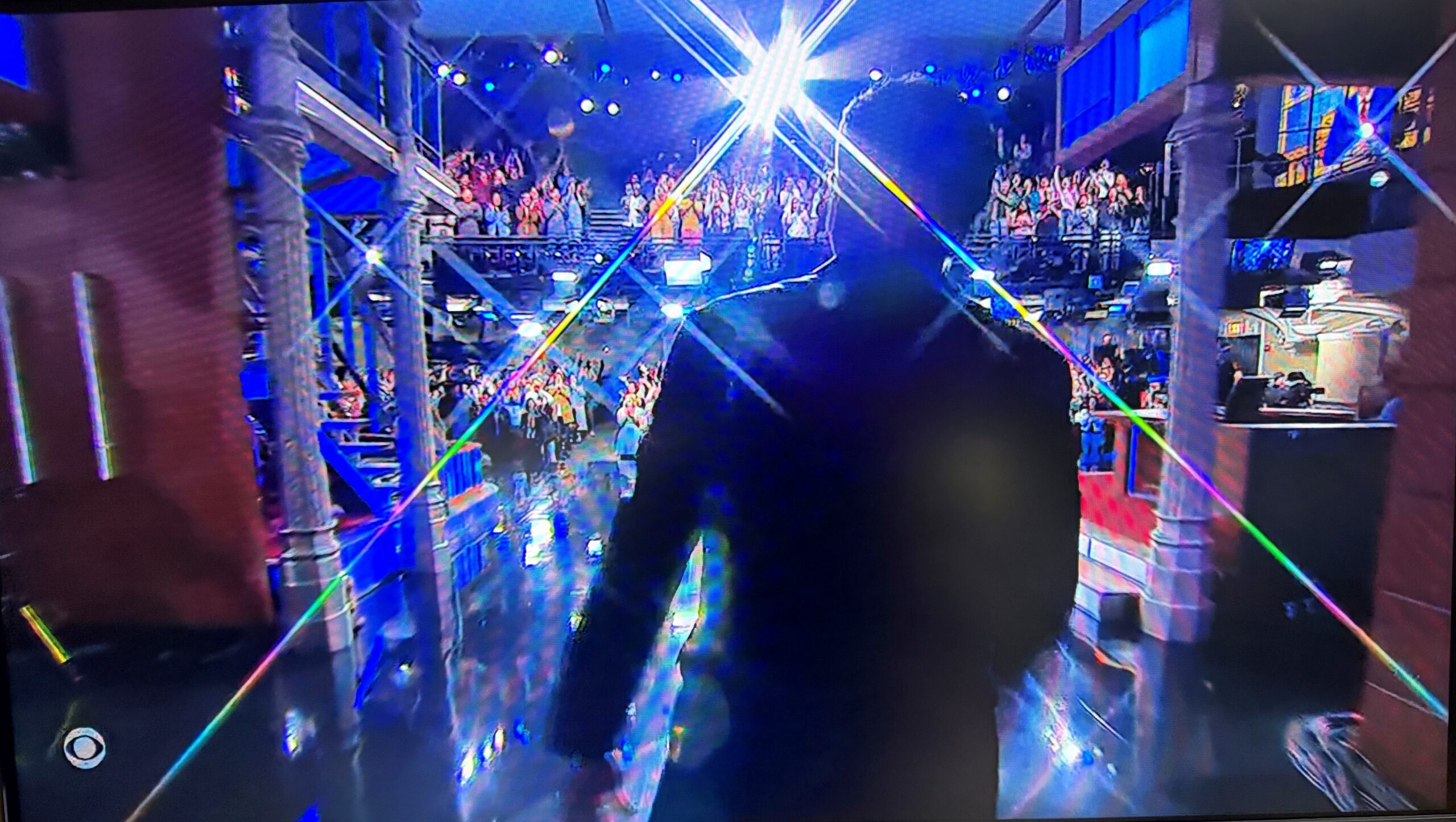
I never imagined I would be writing a commentary about the cancellation of a television program, certainly not one explained away under the dubious claim of “lost revenue.” It is a thin rationale that asks us to accept far more than it actually explains.
Colbert has occupied the 11:30 slot on CBS longer than Johnny Carson held court on The Tonight Show. Programs do not last that long by accident. They endure because they matter to the people watching.
So, when a show of that stature is reduced to a line item, it deserves more than a passing explanation.
CBS tells us this is a financial decision. And that may be true. The late-night model is under pressure. Advertising has shifted. Audiences have moved. But that isn’t the whole story. It’s the part we are being asked to accept.
Corporate decisions do not happen in isolation. CBS operates within Paramount Global, where broader business considerations—mergers, valuations, and regulatory approvals—carry real weight, and that’s about as much as I understand about those things. What I do understand is that those approvals involve the federal government, and influence does not need to be spoken to be understood.
That matters. Because the same government that can influence corporate outcomes is led by a president who has made no secret of his hostility toward critical voices. Donald Trump has been clear about what he thinks of media that challenges him, and what he believes should happen to it.
That does not prove cause. But it does establish context, and that context makes a simple explanation harder to accept as the whole truth.
Because the reality is this: there is no definitive answer.
The official explanation points to declining revenue. (Asked for a definitive answer, the man who preceded Colbert, David Letterman, made his opinion clear: “They’re lying.”)
The broader context raises questions about timing, corporate interests, and the environment in which criticism now operates in. Both may be true. Neither fully explains what the other leaves unanswered.
We are being asked to accept a simple answer in place of a more complicated truth. To treat this as routine when it doesn’t feel that way.
You don’t have to like Colbert. You don’t have to agree with him. In a free society, the remedy for offense has always been simple: change the channel.
But that is where the ethical question begins, not where it ends. Free speech is not measured by the voices we agree with. It is defined by whether we allow the ones we don’t.
The principle isn’t complicated. Everyone has the right to speak, to criticize, to challenge, even to offend, so long as it doesn’t cross the line into a direct threat of harm. That boundary is not a loophole. It’s the standard.
What should concern us is not the presence of criticism, but the growing impulse to control it. When influence—political, corporate, or otherwise—begins to decide which voices are acceptable, the issue is no longer entertainment. It is whether freedom is still a right, or becoming a privilege granted by those in power.
When a long-standing public voice like Colbert’s disappears under circumstances with more questions than answers, we are not just watching a programming decision. We are being tested, tested on whether we still recognize the difference between explanation and excuse, and whether we’re willing to call it out when it matters.
Me, I’m calling it out.
On Monday, a three-part series: “Is Ethics Dead?”
Comments
Leave a Comment
Recent Commentaries
Has America Lost Its Way?
October 16, 2026
All The President’s Targets
October 13, 2026
Integrity Doesn’t Require a Megaphone
October 12, 2026
WHOSE PURPOSE DOES THIS SERVE?
October 9, 2026

Choreographer of Disaster
October 5, 2026
I Am Not a Politician, and I Have No Partisan Loyalties
October 2, 2026
A Man of Incorruptible Integrity
September 29, 2026

HUMAN VALUES: NOT SPECIFIED
September 23, 2026
You Can’t Do That.
September 21, 2026
I AM SICKENED
September 18, 2026
Read More Articles
The Latest... And Sometimes Greatest
The Courage to Defend a Principle
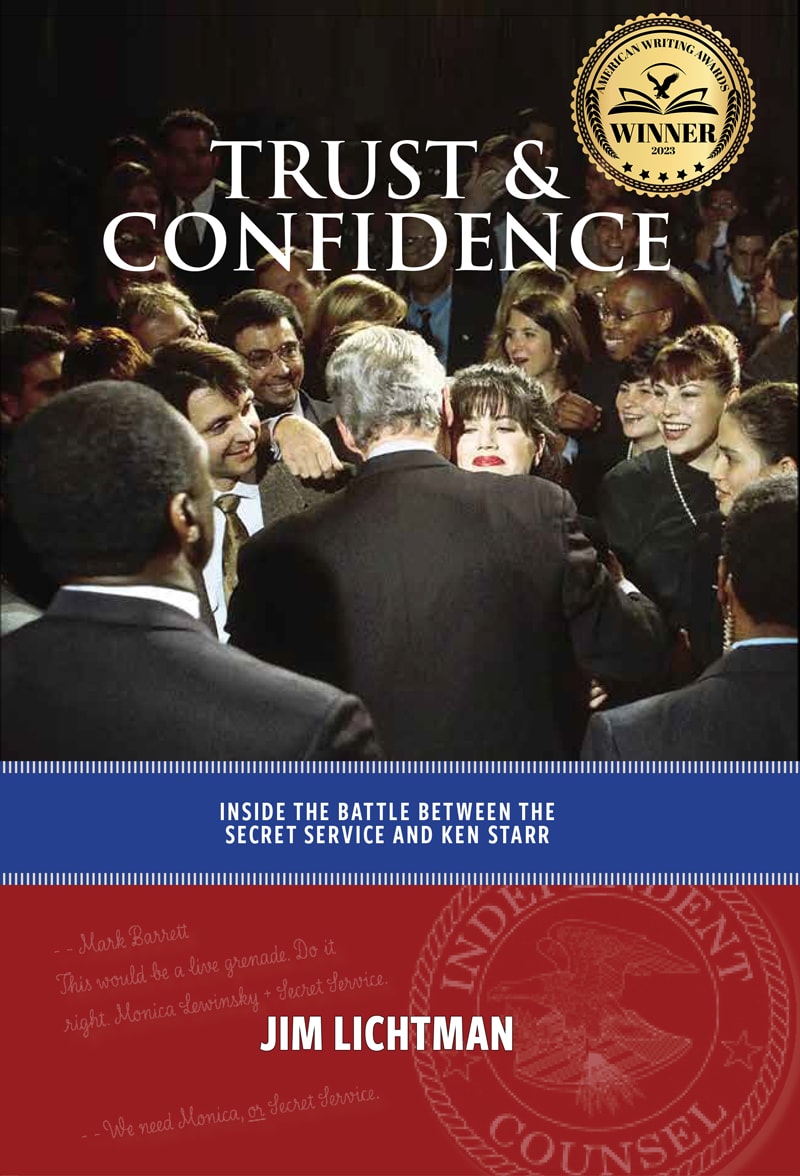
In 1998, at the height of the Clinton-Lewinsky scandal, Secret Service Director Lewis Merletti was driving to work when a radio report stopped him cold....
September 17, 2026
The Better Angels Among Us
By all appearances, we are becoming less the land of the brave than the land of resentment. Every day is Groundhog Day: same arguments, same...
September 14, 2026
We Remember
On September 11, 2001, nearly 3,000 people were killed in terrorist attacks in New York, at the Pentagon, and aboard Flight 93 in Pennsylvania. More...
September 11, 2026
Mister Roberts!
One of my favorite movies is Mister Roberts, the 1955 comedy-drama set aboard the USS Reluctant in the Pacific during World War II. Henry Fonda...
September 8, 2026
Where’s the Character
In 1984, Wendy’s ran a television commercial featuring the redoubtable Clara Peller, staring at an enormous hamburger bun. Inside was a burger patty smaller than...
August 7, 2026
It Was Important Then. It is Important Today
Freedom of speech in America is under attack, not only when people are denied the right to speak, but when lies, intimidation and the deliberate...
August 3, 2026
Yes, I will call it out too… “Everyone has the right to speak, to criticize, to challenge, even to offend, so long as it doesn’t cross the line into a direct threat of harm…” Colbert is such a loss…