Published: May 18, 2026
By Jim Lichtman
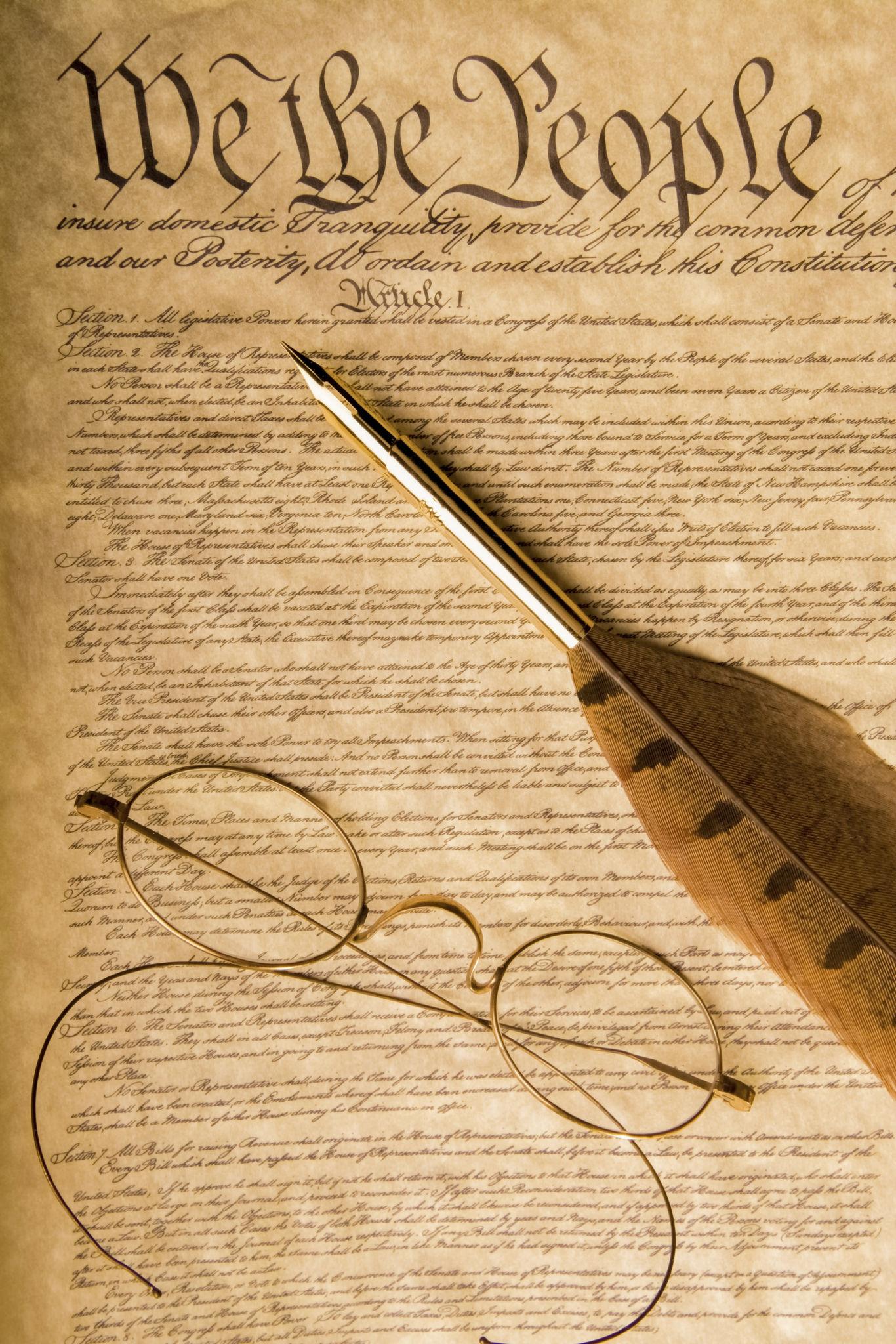
Walter Isaacson’s latest book, The Greatest Sentence Ever Written, has arrived at a pivotal moment for the country: the 250th anniversary of the American experiment.
I found it especially meaningful at a time when we need to return to the words that first set America on the path toward democracy.
This should be more than a season of fireworks and ceremony. It should be a return to first principles, to the moral foundation that gave birth to this country and has steadied it through crisis after crisis. At a time of division and distrust, we are not simply asking who we are. We are asking what still holds us together.
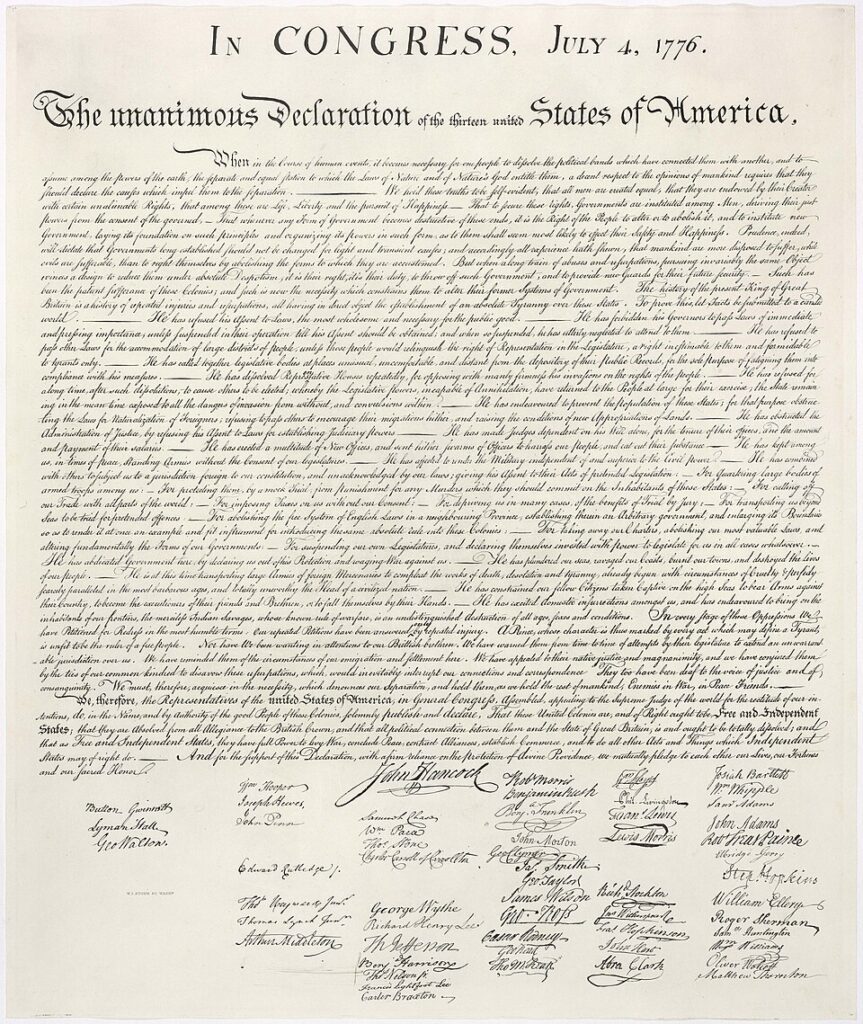
Isaacson directs us back to a single sentence in the United States Declaration of Independence, a sentence that not only announced independence, but defined the ethical architecture of a new nation:
“We hold these truths to be self-evident, that all men are created equal, that they are endowed by their Creator with certain unalienable Rights, that among these are Life, Liberty, and the pursuit of Happiness.”
It’s difficult to imagine a more concise moral vision. In one breath, it asserts equality. It grounds rights not in government, not in kings, but in something higher: life, liberty, and the pursuit of happiness.
Drafted principally by Thomas Jefferson, debated and refined by the Continental Congress, these words were revolutionary not only because they severed ties with Britain, but because they established a moral standard by which every future American government, and every American citizen, could be judged.
We often treat the sentence as ceremonial. It appears in school textbooks, quoted in speeches, engraved in marble. But it was not written for decoration. It was written as a challenge.
Equality is not a slogan. It is a demand on our behavior. If all are created equal, dignity cannot be selective. It cannot be reserved for those who vote as we do, worship as we do, or resemble us. Equality requires fairness, restraint, and the discipline to see another person not as an adversary, but as a fellow citizen with unalienable rights.
Life means more than existence; it means reverence for human life in policy and in practice.
Liberty is not a license; it is freedom ordered by responsibility.
And the Pursuit of happiness is not selfish indulgence, but the freedom to build a life of purpose and contribution.
What makes this sentence great is its moral clarity. It reminds us that the American promise is ethical before it is partisan. Our founding claim was not that we would always agree. It was that we would ground our disagreements in a shared commitment to human dignity.
Today, the question is not whether the sentence is great. It is whether we still believe it.
A nation is not sustained by nostalgia. It is sustained by values lived. The founders gave us words. Our task is harder: to give those words flesh—through trustworthiness, responsibility, justice, respect, and civic virtue.
If this is the greatest sentence ever written, it is also the most demanding. It asks of each generation the same question: Will you honor what you have inherited?
The answer will determine not only what we celebrate, but who we are.
Comments
Recent Commentaries
Integrity Doesn’t Require a Megaphone
October 12, 2026
WHOSE PURPOSE DOES THIS SERVE?
October 9, 2026

Choreographer of Disaster
October 5, 2026
I Am Not a Politician, and I Have No Partisan Loyalties
October 2, 2026
A Man of Incorruptible Integrity
September 29, 2026

HUMAN VALUES: NOT SPECIFIED
September 23, 2026
You Can’t Do That.
September 21, 2026
I AM SICKENED
September 18, 2026
The Courage to Defend a Principle
September 17, 2026
The Better Angels Among Us
September 14, 2026
Read More Articles
The Latest... And Sometimes Greatest
We Remember
On September 11, 2001, nearly 3,000 people were killed in terrorist attacks in New York, at the Pentagon, and aboard Flight 93 in Pennsylvania. More...
September 11, 2026
Mister Roberts!
One of my favorite movies is Mister Roberts, the 1955 comedy-drama set aboard the USS Reluctant in the Pacific during World War II. Henry Fonda...
September 8, 2026
Where’s the Character
In 1984, Wendy’s ran a television commercial featuring the redoubtable Clara Peller, staring at an enormous hamburger bun. Inside was a burger patty smaller than...
August 7, 2026
It Was Important Then. It is Important Today
Freedom of speech in America is under attack, not only when people are denied the right to speak, but when lies, intimidation and the deliberate...
August 3, 2026
When Political Identity Replaces Ethical Judgment
The political and cultural landscape has become a minefield of conflicting beliefs, many now rooted less in public policy than in personal identity. One of...
July 31, 2026
Principles Matter.
A few nights ago, I was watching The Way We Were, a film I’ve seen more times than I can count. This time, a single...
July 28, 2026