Published: May 11, 2026
By Jim Lichtman
Donald Trump has never hidden his disdain for anyone or any institution he believes stands in his way. Near the top of that list is the media: news organizations, comedians, late-night hosts, critics, any voice unwilling to bend to his narrative or gets under his thin skin.
Which is why the sudden cancellation of The Late Show with Stephen Colbert, officially attributed to financial reasons, looks more than a little fishy given Trump’s long and very public attacks on Colbert himself.
Since returning to power, Trump has placed loyalists in positions throughout the government who appear ready, willing and more than able to carry out his wishes without hesitation. To believe otherwise is to live on Fantasy Island. But the Island has a new owner now.
All of this is prologue.
Because what is slowly coming into view is something far larger than a feud with comedians or television networks. At stake is the most essential protection in the Constitution, the one that safeguards every other liberty we claim to cherish:
The First Amendment.
The latest warning sign comes from an extraordinary confrontation now unfolding between ABC and the Federal Communications Commission. ABC has accused the FCC of attempting to punish political viewpoints it dislikes and of creating what the network called a “chilling effect” on free speech.
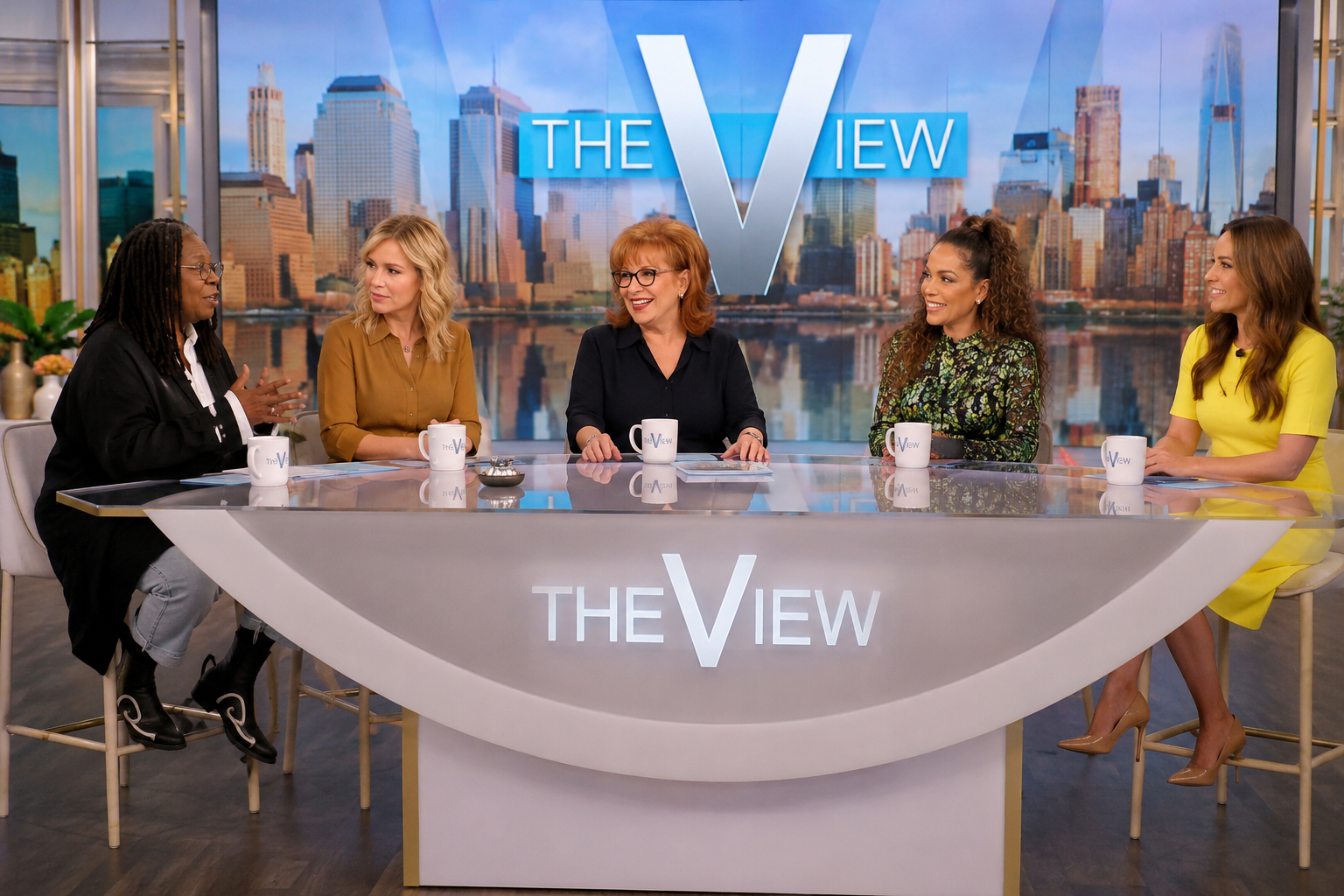
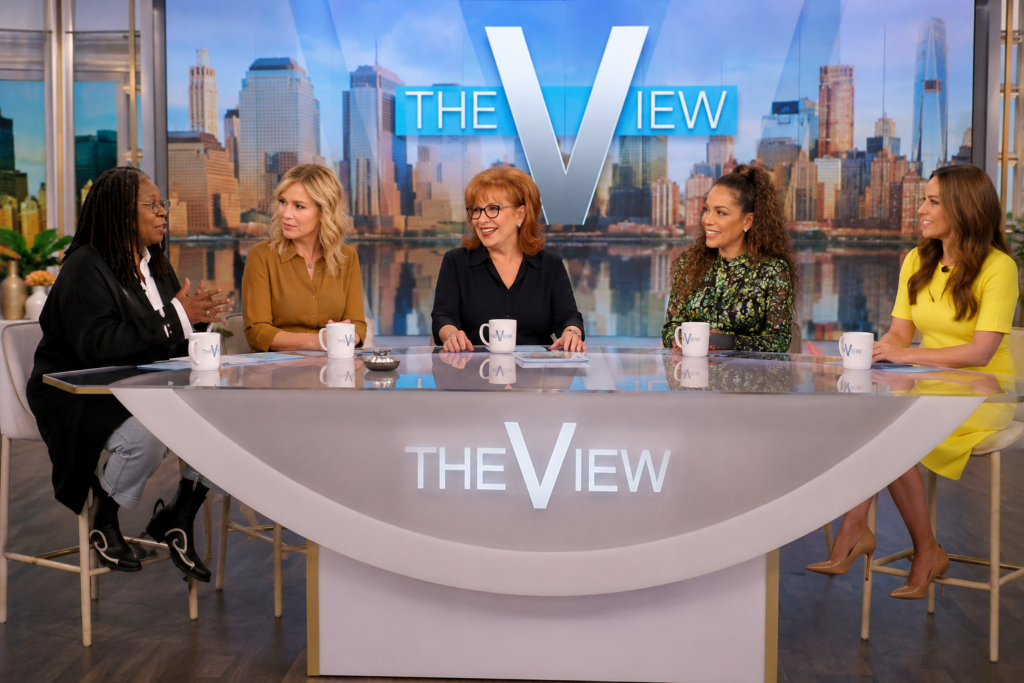
The dispute centers around The View.
The FCC, now chaired by Trump appointee Brendan Carr, is questioning whether The View should continue to qualify as a legitimate news and public affairs program under long-established broadcast rules. If the FCC succeeds in stripping away that protection, the implications reach far beyond one daytime talk show.
Under the government’s interpretation, if The View interviews one political candidate, it could be forced to provide equal airtime to every opposing candidate. In a state like California, with dozens of candidates running in a primary, such a requirement would make normal political discussion almost impossible.
And that is precisely the point.
When government regulation becomes so intrusive that media organizations decide it is safer not to book political guests at all, censorship no longer needs to arrive wearing jackboots. It arrives wrapped in paperwork, licensing reviews, investigations, and selective enforcement.
ABC has openly accused the FCC of targeting programs critical of Trump while ignoring conservative commentators who support him. That accusation should alarm every American regardless of political affiliation because once government begins deciding which viewpoints deserve scrutiny and which receive protection, freedom of speech becomes conditional.
History has taught us that freedom rarely disappears all at once. It erodes incrementally. A pressure campaign here. A regulatory threat there. A television host silenced. A network intimidated. A message quietly sent to everyone else:
Be careful. Very careful.
What makes this moment particularly dangerous is that many Americans still assume our institutions will automatically protect us. But institutions are only as strong as the people willing to defend them. Laws written on paper do not enforce themselves. Constitutional rights survive only when citizens recognize the moment they are being tested.
And that moment may be closer than we think.
The First Amendment was never intended to protect speech people agree with. It was created to protect speech those in power may dislike, just as the president has every right to voice his own criticisms.
However, when political power and regulatory authority begin moving in the same direction, Americans should pay attention. Very. Close. Attention.
If it looks like intimidation, sounds like intimidation, and functions like intimidation, at some point we have to stop pretending it is something else.
Comments
Recent Commentaries
November 4, 2026
October 20, 2026
Has America Lost Its Way?
October 16, 2026
All The President’s Targets
October 13, 2026
Integrity Doesn’t Require a Megaphone
October 12, 2026
WHOSE PURPOSE DOES THIS SERVE?
October 9, 2026

Choreographer of Disaster
October 5, 2026
I Am Not a Politician, and I Have No Partisan Loyalties
October 2, 2026
A Man of Incorruptible Integrity
September 29, 2026

HUMAN VALUES: NOT SPECIFIED
September 23, 2026
You Can’t Do That.
September 21, 2026
Read More Articles
The Latest... And Sometimes Greatest
I AM SICKENED
Tonight, protesters are surrounding the Kennedy Center, the living memorial to John F. Kennedy and the heartbeat of Washington’s cultural life. They are there because...
September 18, 2026
The Courage to Defend a Principle
In 1998, at the height of the Clinton-Lewinsky scandal, Secret Service Director Lewis Merletti was driving to work when a radio report stopped him cold....
September 17, 2026
The Better Angels Among Us
By all appearances, we are becoming less the land of the brave than the land of resentment. Every day is Groundhog Day: same arguments, same...
September 14, 2026
We Remember
On September 11, 2001, nearly 3,000 people were killed in terrorist attacks in New York, at the Pentagon, and aboard Flight 93 in Pennsylvania. More...
September 11, 2026
Mister Roberts!
One of my favorite movies is Mister Roberts, the 1955 comedy-drama set aboard the USS Reluctant in the Pacific during World War II. Henry Fonda...
September 8, 2026
Where’s the Character
In 1984, Wendy’s ran a television commercial featuring the redoubtable Clara Peller, staring at an enormous hamburger bun. Inside was a burger patty smaller than...
August 7, 2026