Published: May 28, 2026
By Jim Lichtman
What kind of leadership… what kind of citizenship, will it take to restore and live the values we claim to believe?
It begins with service. Leadership without service is merely power.
Public office was never meant to be a stage for self-glorification. It was meant to be a trust. A president’s first question shouldn’t be, “How do I win?” but, “What responsibility do I carry?”
That kind of leadership still exists.
It is found in teachers, nurses, first responders, public servants, parents, volunteers, local officials, and ordinary citizens who do their duty with moral purpose.
Public leadership requires that sense of purpose. That requires courage. Not the courage of outrage, and insult, but the courage to tell the truth. The courage to say no to one’s own side when they’re wrong. That kind of courage has always been necessary in America. It was necessary when abolitionists challenged slavery, when Japanese Americans challenged internment, and when citizens marched for civil rights.
The challenge before us now is not whether America can still speak the language of ethics, but whether we can recover the discipline to mean it.
That recovery will begin when people decide that character still matters.
When we stop rewarding cruelty because it’s entertaining.
When voters ask not only whether a leader agrees with them, but whether that leader can be trusted.
When parents and teachers remind young people that integrity is not outdated.
It will begin when each of us stops excusing in those we support the very behavior we condemn in those we oppose.
The country has survived profound division before. It has also risen, again and again, to moments of shared purpose. But history doesn’t guarantee renewal. It only reminds us that renewal is possible when enough people decide that the country’s values are worth more than the comfort of ignoring them.
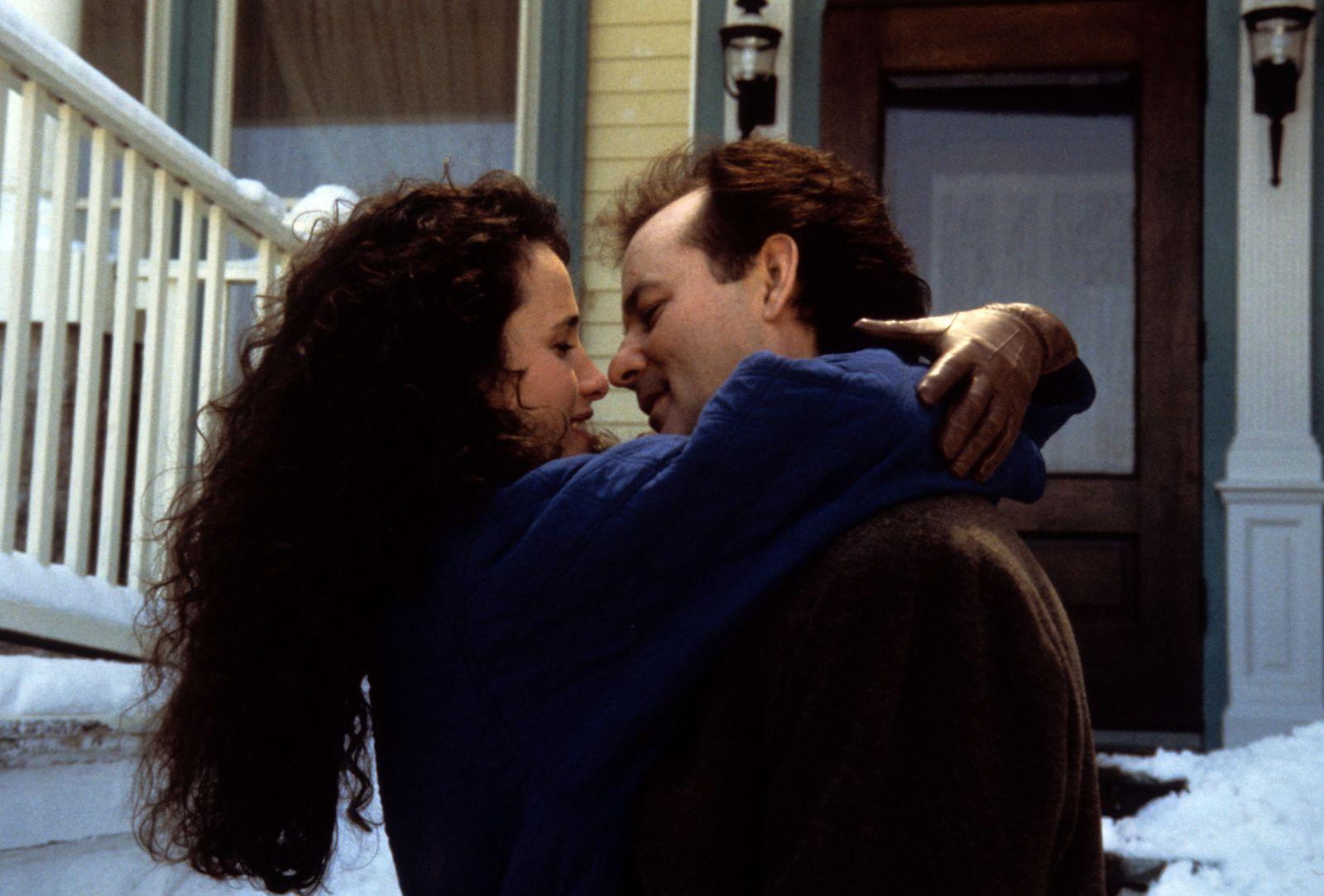
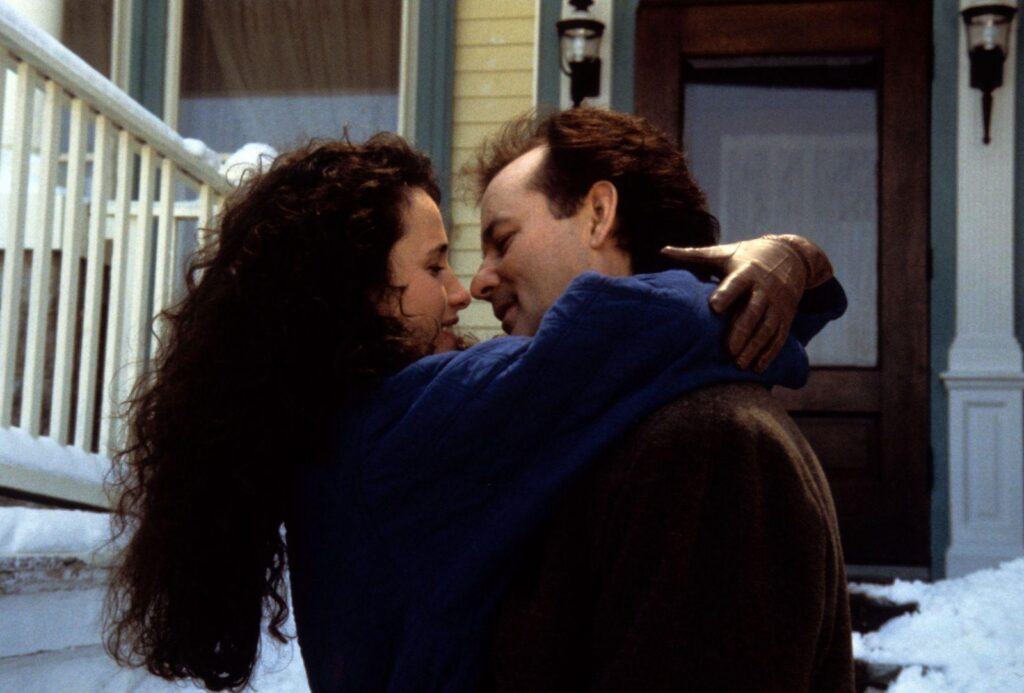
That’s the lesson Groundhog Day leaves us with. Phil Connors is trapped in a cycle of repetition until he understands that the absence of tomorrow does not free him from responsibility. Consequences still arrive. For Phil, the consequence is remaining stuck in the same pattern until he finally learns from it.
Eventually, Phil changes not because the world changes, but because he does.
That may be the lesson for us as well.
Ethical values are the operating principles of a free society. Without them, democracy becomes procedure without conscience, law without justice, politics without responsibility, and leadership without character.
The question is not whether ethical values are still relevant. It’s whether we are still willing to live as though they are.
Ethics is not dead. It waits for us to find our way back.
Comments

Recent Commentaries

November 4, 2026
October 20, 2026

Has America Lost Its Way?
October 16, 2026
All The President’s Targets
October 13, 2026
Integrity Doesn’t Require a Megaphone
October 12, 2026
WHOSE PURPOSE DOES THIS SERVE?
October 9, 2026

Choreographer of Disaster
October 5, 2026
I Am Not a Politician, and I Have No Partisan Loyalties
October 2, 2026
A Man of Incorruptible Integrity
September 29, 2026

HUMAN VALUES: NOT SPECIFIED
September 23, 2026
You Can’t Do That.
September 21, 2026
Read More Articles
The Latest... And Sometimes Greatest
I AM SICKENED
Tonight, protesters are surrounding the Kennedy Center, the living memorial to John F. Kennedy and the heartbeat of Washington’s cultural life. They are there because...
September 18, 2026
The Courage to Defend a Principle
In 1998, at the height of the Clinton-Lewinsky scandal, Secret Service Director Lewis Merletti was driving to work when a radio report stopped him cold....
September 17, 2026
The Better Angels Among Us
By all appearances, we are becoming less the land of the brave than the land of resentment. Every day is Groundhog Day: same arguments, same...
September 14, 2026
We Remember
On September 11, 2001, nearly 3,000 people were killed in terrorist attacks in New York, at the Pentagon, and aboard Flight 93 in Pennsylvania. More...
September 11, 2026
Mister Roberts!
One of my favorite movies is Mister Roberts, the 1955 comedy-drama set aboard the USS Reluctant in the Pacific during World War II. Henry Fonda...
September 8, 2026
Where’s the Character
In 1984, Wendy’s ran a television commercial featuring the redoubtable Clara Peller, staring at an enormous hamburger bun. Inside was a burger patty smaller than...
August 7, 2026