Published: April 20, 2026
By Jim Lichtman


What is power accountable to when it no longer accepts limits?
We have seen what happens when power turns inward—when it begins to believe it answers only to itself.
There was a time when presidents understood that authority came with limits. Not just legal limits, but moral ones. They did not see disagreement—especially from moral voices—as something to be attacked or dismissed. They saw it as part of the responsibility of governing.
Comments


Recent Commentaries

November 4, 2026
October 20, 2026

Has America Lost Its Way?
October 16, 2026
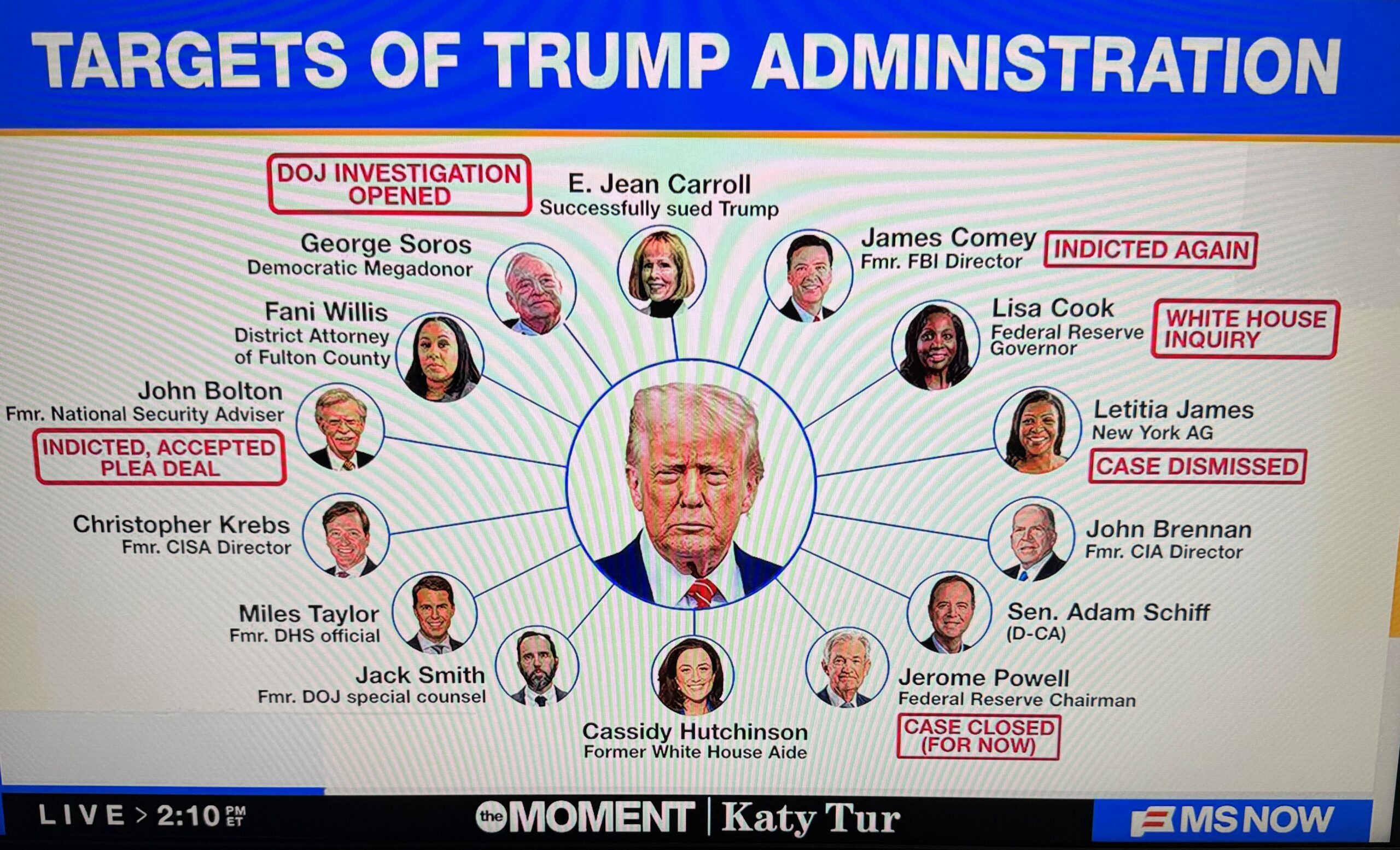
All The President’s Targets
October 13, 2026
Integrity Doesn’t Require a Megaphone
October 12, 2026

WHOSE PURPOSE DOES THIS SERVE?
October 9, 2026

Choreographer of Disaster
October 5, 2026
I Am Not a Politician, and I Have No Partisan Loyalties
October 2, 2026
A Man of Incorruptible Integrity
September 29, 2026

HUMAN VALUES: NOT SPECIFIED
September 23, 2026
You Can’t Do That.
September 21, 2026
Read More Articles
The Latest... And Sometimes Greatest
I AM SICKENED
Tonight, protesters are surrounding the Kennedy Center, the living memorial to John F. Kennedy and the heartbeat of Washington’s cultural life. They are there because...
September 18, 2026
The Courage to Defend a Principle
In 1998, at the height of the Clinton-Lewinsky scandal, Secret Service Director Lewis Merletti was driving to work when a radio report stopped him cold....
September 17, 2026
The Better Angels Among Us
By all appearances, we are becoming less the land of the brave than the land of resentment. Every day is Groundhog Day: same arguments, same...
September 14, 2026
We Remember
On September 11, 2001, nearly 3,000 people were killed in terrorist attacks in New York, at the Pentagon, and aboard Flight 93 in Pennsylvania. More...
September 11, 2026
Mister Roberts!
One of my favorite movies is Mister Roberts, the 1955 comedy-drama set aboard the USS Reluctant in the Pacific during World War II. Henry Fonda...
September 8, 2026
Where’s the Character
In 1984, Wendy’s ran a television commercial featuring the redoubtable Clara Peller, staring at an enormous hamburger bun. Inside was a burger patty smaller than...
August 7, 2026