Published: March 31, 2025
By Jim Lichtman
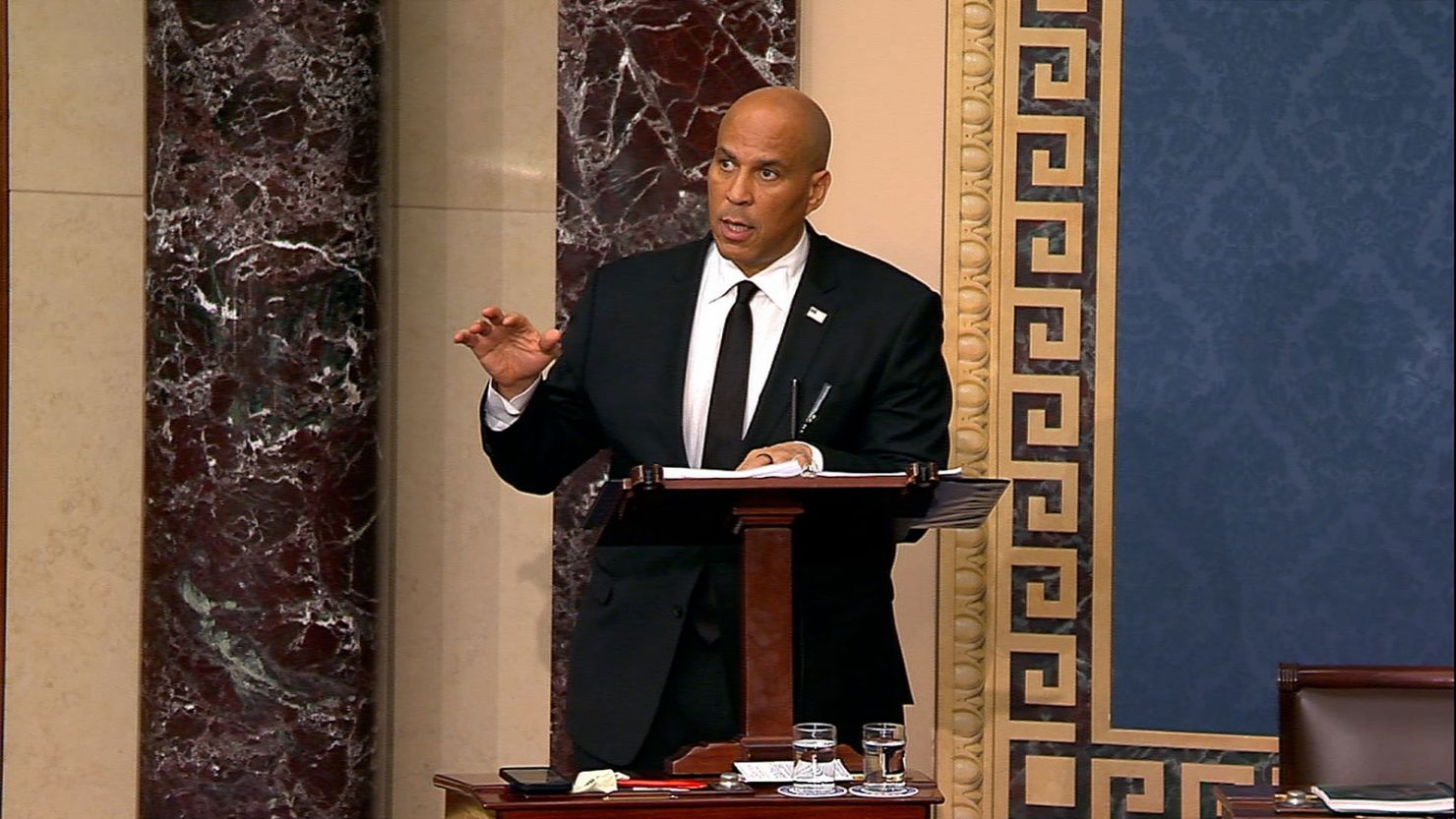
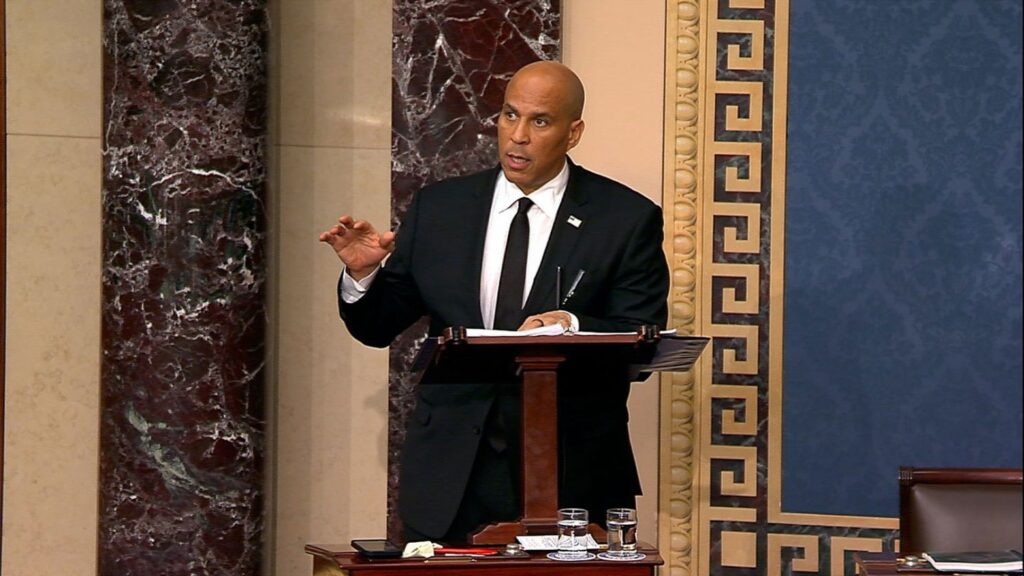
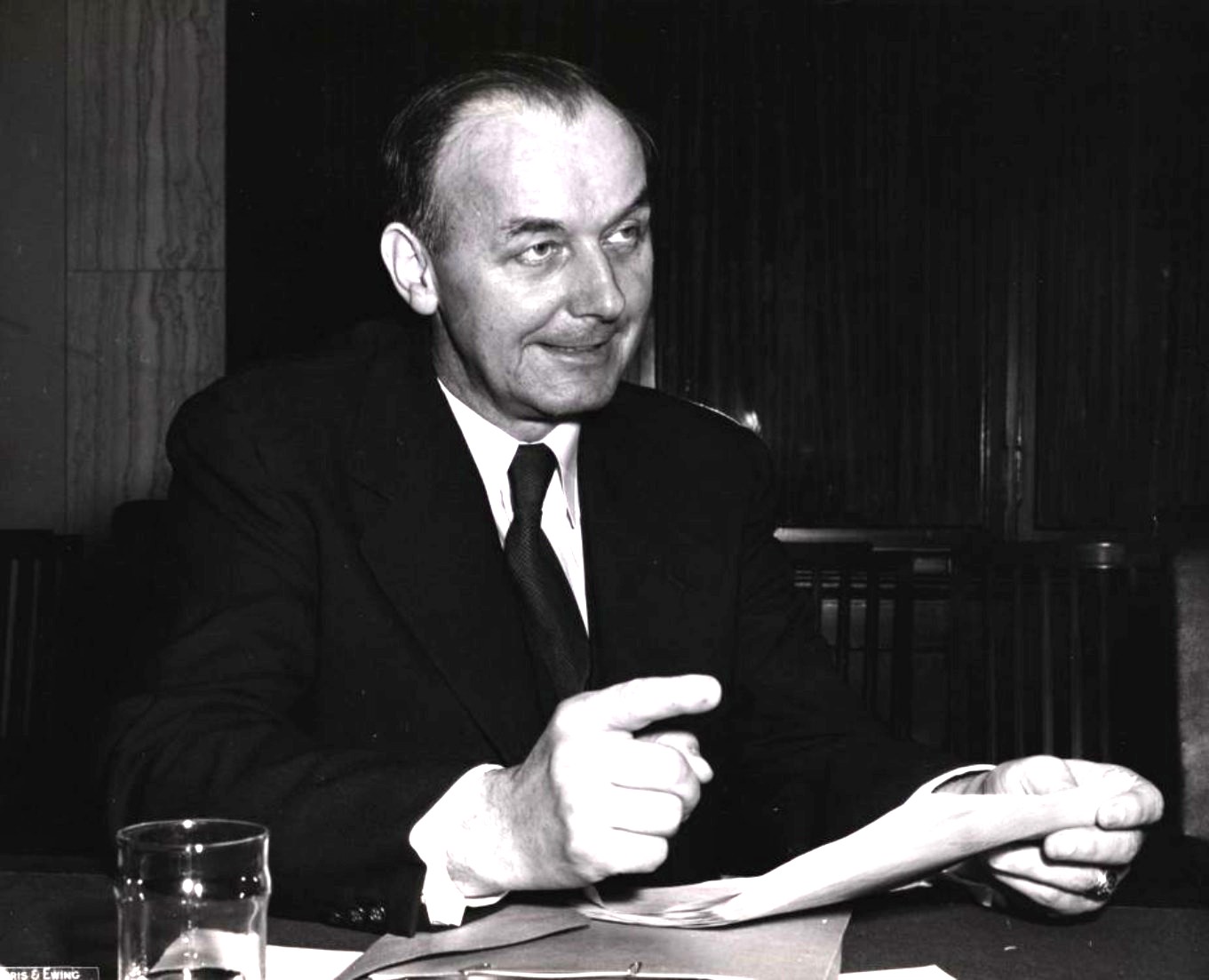
In 1950, Senator Margaret Chase Smith of Maine stood alone on the Senate floor and delivered what would become one of the most courageous speeches in American political history. At a time when fear and smear were the tools of the day, she called out the reckless accusations and bullying tactics of Senator Joseph McCarthy. The Senate, she said, had become “a forum of hate and character assassination.” Smith wasn’t interested in political convenience—she was defending core American values: the right to speak freely, to think independently, and to stand for what’s right, even when it’s unpopular. She warned her colleagues not to win elections by riding “the Four Horsemen of Calumny—Fear, Ignorance, Bigotry, and Smear.”
Now those specters threaten American democracy again.
At this writing, Senator Cory Booker’s marathon speech on the Senate floor stands as an act of conscience—protesting not only the administration’s actions that threaten the integrity of Social Security, but dozens and dozens and dozens of other actions that imperil both American lives and democracy itself. Booker’s unwavering resolve to speak “as long as [he is] physically able” echoes the unwavering moral fortitude demonstrated by Sen. Smith.
Both senators, though separated by decades, exemplify the courage to confront policies and practices they know as unjust, prioritizing the nation’s well-being over partisan politics.
Senator Smith’s stand against McCarthyism was a defining moment in American political history, highlighting the importance of conscience in governance. Similarly, Senator Booker’s dedication to safeguarding Social Security underscores the enduring need for leaders who are willing to challenge actions that may compromise the welfare of citizens. Their examples serve as a reminder that the essence of American democracy lies in the courage to uphold principles of justice and integrity, even in the face of adversity.
It is not enough to simply hold office. Public service demands something deeper: a willingness to speak truth when it is inconvenient, to defend the vulnerable when it is unpopular, and to stand alone when necessary. Booker is not just speaking for his constituents—he’s speaking for the country’s conscience. Like Margaret Chase Smith before him, he’s reminding us that the measure of leadership is not power, but principle.
And the time to lead—morally, ethically, and boldly—is now.
Please share this commentary widely. At this moment, we are all called to stand up against what is clearly tyranny. Silence is not an option. Democracy depends on our collective courage.
Comments
Leave a Comment

Recent Commentaries
All The President’s Targets
October 13, 2026
Integrity Doesn’t Require a Megaphone
October 12, 2026

WHOSE PURPOSE DOES THIS SERVE?
October 9, 2026

Choreographer of Disaster
October 5, 2026
I Am Not a Politician, and I Have No Partisan Loyalties
October 2, 2026

A Man of Incorruptible Integrity
September 29, 2026

HUMAN VALUES: NOT SPECIFIED
September 23, 2026

You Can’t Do That.
September 21, 2026
I AM SICKENED
September 18, 2026

The Courage to Defend a Principle
September 17, 2026
Read More Articles
The Latest... And Sometimes Greatest
The Better Angels Among Us
By all appearances, we are becoming less the land of the brave than the land of resentment. Every day is Groundhog Day: same arguments, same...
September 14, 2026
We Remember
On September 11, 2001, nearly 3,000 people were killed in terrorist attacks in New York, at the Pentagon, and aboard Flight 93 in Pennsylvania. More...
September 11, 2026
Mister Roberts!
One of my favorite movies is Mister Roberts, the 1955 comedy-drama set aboard the USS Reluctant in the Pacific during World War II. Henry Fonda...
September 8, 2026
Where’s the Character
In 1984, Wendy’s ran a television commercial featuring the redoubtable Clara Peller, staring at an enormous hamburger bun. Inside was a burger patty smaller than...
August 7, 2026
It Was Important Then. It is Important Today
Freedom of speech in America is under attack, not only when people are denied the right to speak, but when lies, intimidation and the deliberate...
August 3, 2026
When Political Identity Replaces Ethical Judgment
The political and cultural landscape has become a minefield of conflicting beliefs, many now rooted less in public policy than in personal identity. One of...
July 31, 2026
Thank you Senator Booker and Jim for challenging us to stand up for truth…against tyranny…
Yes, it really is the time…as someone once said, when people look at this time in history and ask what were the poeple doing? What am I doing or what can I do?