Published: February 8, 2017
By Jim Lichtman
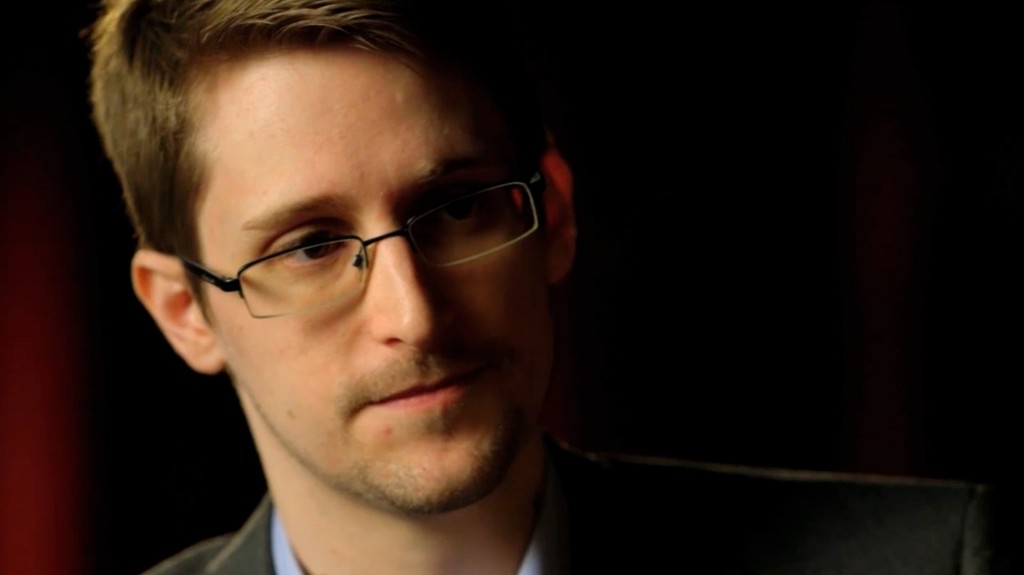
I’ve written about Edward Snowden twice before, (Citizen Who?, Mar. 5, 2015; and Revisiting Snowden, Jan. 3, 2014). A former NSA contractor, Snowden was responsible for leaking thousands of classified documents to journalists Glenn Greenwald, Laura Poitras and Ewen MacAskill.
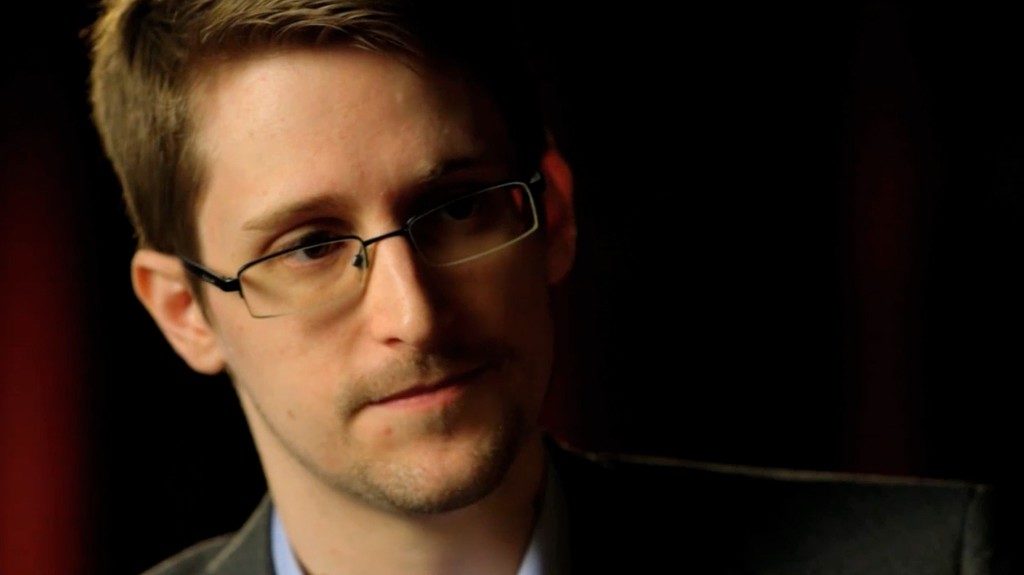
In Revisiting Snowden, I wrote, “Both The New York Times and Britain’s Guardian newspapers offered editorials in support of clemency or plea bargain in the case of NSA leaker Edward Snowden.
“ ‘Considering the enormous value of the information he has revealed,’ the Times said (Jan. 1, 2014), ‘and the abuses he has exposed, Mr. Snowden deserves better than a life of permanent exile, fear and flight. He may have committed a crime to do so, but he has done his country a great service.’ ”
At that time, I concluded that, while he may have held good intentions to expose an alleged illegal government program, “Snowden, in fact, used one of the oldest rationalizations in the book: the end justifies the means.”
“If Edward Snowden truly wishes to come home,” I added, “he can acknowledge the damage done to U.S. foreign relations. He can concede that he could have taken his concerns to many others before publically releasing highly classified documents, and – with the help of a federal agreement – he can surrender all additional NSA files to the appropriate Senate and House committees.”
In the three years since that commentary, Edward Snowden has become something of a celebrity to many and a hero to others by way of the documentary Citizen Who? and more recently, the Oliver Stone movie, Snowden.
While I was skeptical of Snowden’s motives, I wanted to keep an open mind in looking for research from someone with the requisite expertise in the area of intelligence gathering. I found it in Michael Morell’s book The Great War of our Time.
Morell was an intelligence analyst before serving as deputy director of the CIA, and served as the Agency’s acting director twice. Morell’s book is a compelling inside look at how the CIA put the pieces of intelligence together to find Osama bin Laden. He devotes a chapter to Snowden and offers, perhaps, the most accurate assessment of his actions.
“I believe,” Morell writes, “that the Snowden disclosures will go down in history as the greatest compromise of classified information ever. Period. Full Stop. While great attention and angst have been devoted to the loss he created by exposing the 215 telephony metadata program, Snowden damaged a much more important program involving the collection of e-mail information from foreign-based terrorists…
“What were Snowden’s motives? One thing I am sure of is that he was not acting out of a simple desire to protect the privacy and civil liberties of Americans or even citizens overseas. And this takes any idea that he was a whistle-blower off the table. The vast amount of information he stole and disclosed to journalists had nothing to do with privacy. Legitimate arguments can be had about how far our intelligence community should go in collecting information that potentially could touch U.S. citizens. … If Snowden felt that privacy rights were being trampled, there were avenues available for him to make his concerns known to our elected representatives of Congress.
“If he didn’t’ trust congressional overseers, departmental ombudsmen, and inspectors general to act, he could have easily taken one or two documents that solely addressed the privacy issue, put them in a plain brown envelope, and mailed them to the Washington Post. …
“So if his primary motivation was not the protection of privacy and civil liberties, what was it? I don’t know for sure, but I strongly suspect that his actions were all about his favorite subject: Edward J. Snowden. It is clear that Snowden has an enormous ego – one that had to be quite large for him to convince himself that he knew better than two presidents (of different parties), the intelligence committees of multiples congresses, the Justice Department of two administrations, and tens of FISA court judges appointed by the chief justice of the Supreme Court. That is arrogance. …
“On June 21, 2013, the U.S. Department of Justice charged Edward Snowden with espionage. If I could have a conversation with Snowden, I would ask him only one question. That question would be, ‘Edward, you had enough trust in the American people that you thought they could and should judge for themselves the right balance between liberty and security. If you really believe that, then surely you must believe that those same Americans could and should judge your behavior with regard to the disclosures you made possible. So why don’t you come home and be judged before a jury of your peers?’
“I know some readers will think, ‘Of course you say bad things about Snowden because he exposed systemic wrongdoing by the intelligence community, a place you worked for thirty-three years.’ My answer is that the programs he disclosed were legal and approved at the highest levels of the U.S. government and that the damage he did was huge. As someone who was uniquely positioned to evaluate that damage, I can tell you that the costs of Snowden’s actions will be enormous. If he truly thought his actions were those of civil disobedience, the honorable approach would have been to take his stand and then accept the consequences. …
“The NSA never undertook a program without the approval of the executive branch and the oversight of the congressional intelligence committees or the courts. The NSA never broke the law and never abused the power that it had been given…
“NSA officers are patriots,” Morell concludes. “Edward Snowden is a traitor.”
In my opinion, that closes the book on Snowden.
Comments

Recent Commentaries
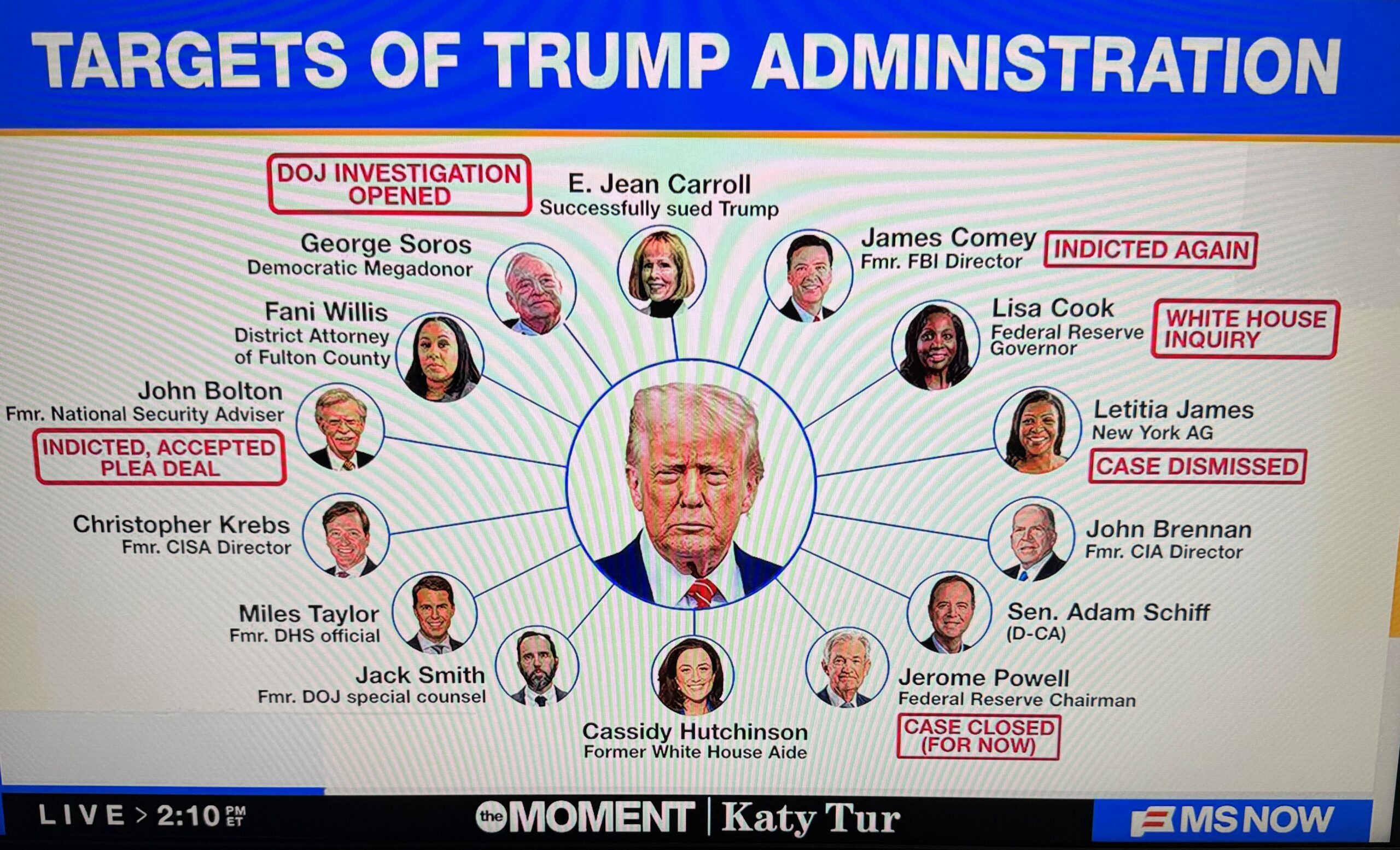
All The President’s Targets
October 13, 2026
Integrity Doesn’t Require a Megaphone
October 12, 2026
WHOSE PURPOSE DOES THIS SERVE?
October 9, 2026

Choreographer of Disaster
October 5, 2026
I Am Not a Politician, and I Have No Partisan Loyalties
October 2, 2026
A Man of Incorruptible Integrity
September 29, 2026

HUMAN VALUES: NOT SPECIFIED
September 23, 2026
You Can’t Do That.
September 21, 2026
I AM SICKENED
September 18, 2026
The Courage to Defend a Principle
September 17, 2026
Read More Articles
The Latest... And Sometimes Greatest
The Better Angels Among Us
By all appearances, we are becoming less the land of the brave than the land of resentment. Every day is Groundhog Day: same arguments, same...
September 14, 2026
We Remember
On September 11, 2001, nearly 3,000 people were killed in terrorist attacks in New York, at the Pentagon, and aboard Flight 93 in Pennsylvania. More...
September 11, 2026
Mister Roberts!
One of my favorite movies is Mister Roberts, the 1955 comedy-drama set aboard the USS Reluctant in the Pacific during World War II. Henry Fonda...
September 8, 2026
Where’s the Character
In 1984, Wendy’s ran a television commercial featuring the redoubtable Clara Peller, staring at an enormous hamburger bun. Inside was a burger patty smaller than...
August 7, 2026
It Was Important Then. It is Important Today
Freedom of speech in America is under attack, not only when people are denied the right to speak, but when lies, intimidation and the deliberate...
August 3, 2026
When Political Identity Replaces Ethical Judgment
The political and cultural landscape has become a minefield of conflicting beliefs, many now rooted less in public policy than in personal identity. One of...
July 31, 2026