Published: April 9, 2026
By Jim Lichtman


Photo: Aaron Burden, Upsplash
What will define us at 250 years—not our disagreements, but what we are willing to believe about one another, and about the truth itself?
As we approach the 250th anniversary of our democratic republic, I find myself returning to a familiar concern, now sharpened by the widening divide in our country.
Disagreement has always been part of the American story. From the founding through civil war, depression, world war, civil rights, and Watergate, we have argued, sometimes fiercely, about who we are and where we are going. That’s not our weakness. In many ways, it’s our inheritance.
The danger begins elsewhere.
It begins when disagreement is no longer anchored in a shared understanding of reality. When a verified fact becomes a matter of preference. When truth is bent to serve loyalty rather than tested to uphold it. In that moment, self-government loses its footing. Democracy does not collapse overnight; it slowly slides. And trust, once fractured, is slow to return.
Majority rule is essential. But it is not sufficient. It rests on something deeper: a common commitment to truth supported by evidence, and to accepting results even when they do not go our way.
We don’t have to agree on policy.
We don’t have to agree on candidates.
But we must agree that courts matter.
That certified elections matter.
That facts are not partisan.
That the peaceful transfer of power is not optional.
Without that foundation, elections become something else entirely. They are not a measure of the people’s will, but a contest of competing narratives. At that point, the issue is no longer ideology. It is integrity. Because integrity is the line between standing for something and standing with someone.
If we value responsibility, we don’t excuse dishonesty because it serves our side.
If character matters, it must matter all the time.
If we defend the Constitution, we defend it whole, not in parts that suit us.
It is easy… too easy to place the burden on a single leader or a single movement. But republics rarely falter because of one figure. They falter when citizens—good people, ordinary people—allow allegiance to tribe to outrun allegiance to truth.
Civic duty begins there.
Not with blind loyalty, but with honest evaluation, especially of those we support. It asks something harder of us. To question what comforts us, to resist what flatters us, and to hold our own side to the same standard we demand of others.
Unity does not require uniformity. It requires recognition that those who disagree with us are not enemies, but fellow citizens. That truth is not owned by any party or individual. That integrity is not an ideological position, but a personal one.
Two hundred and fifty years is more than a milestone. It is a test.
A test of whether we still believe that self-government requires responsibility and self-discipline.
The Constitution does not begin with “I.” It begins with “We.”
So what will define us at 250 years?
Not the arguments we have always had, but whether, in the end, we still choose truth over tribe, and responsibility over convenience.
Comments

Recent Commentaries
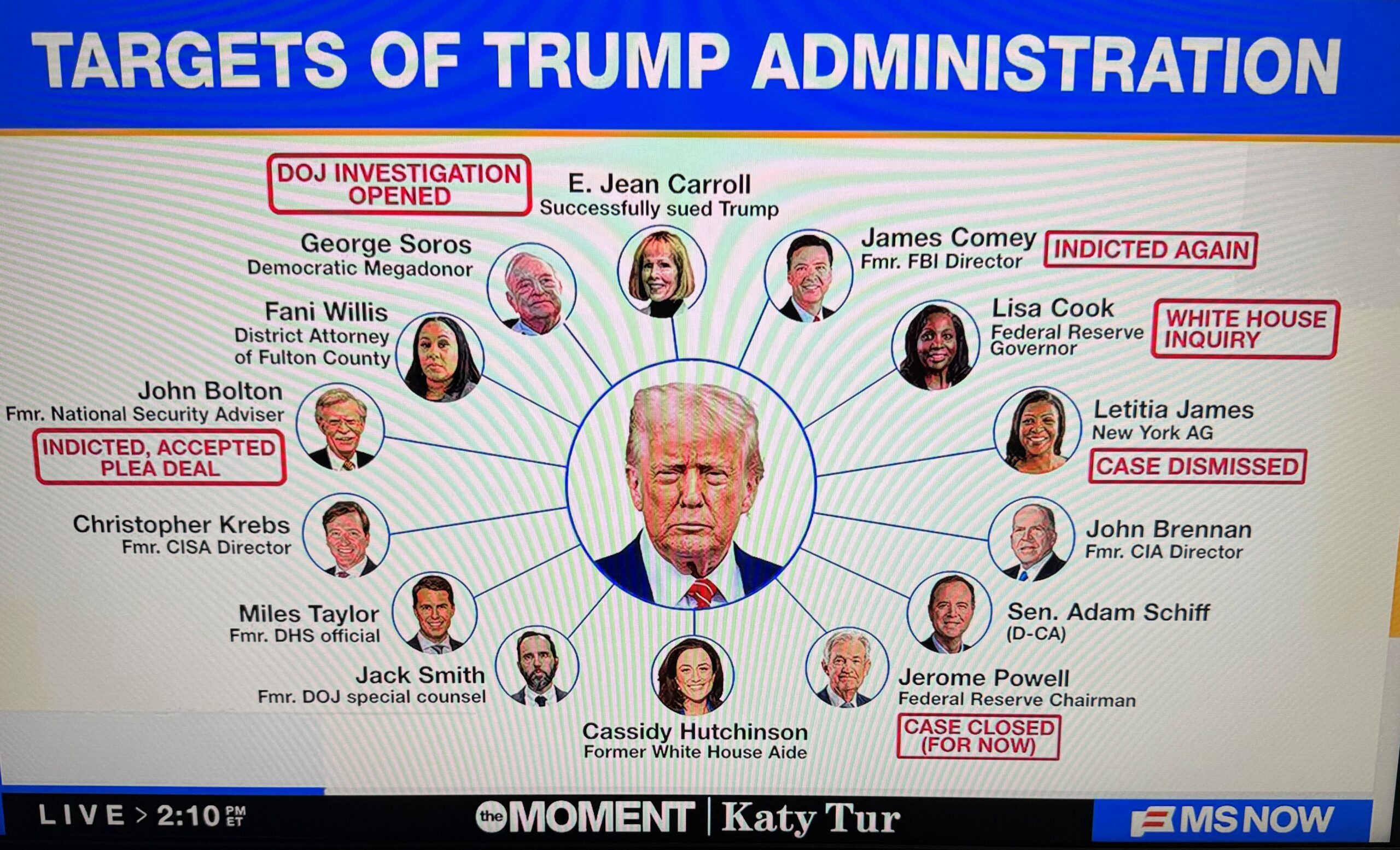
All The President’s Targets
October 13, 2026
Integrity Doesn’t Require a Megaphone
October 12, 2026

WHOSE PURPOSE DOES THIS SERVE?
October 9, 2026

Choreographer of Disaster
October 5, 2026
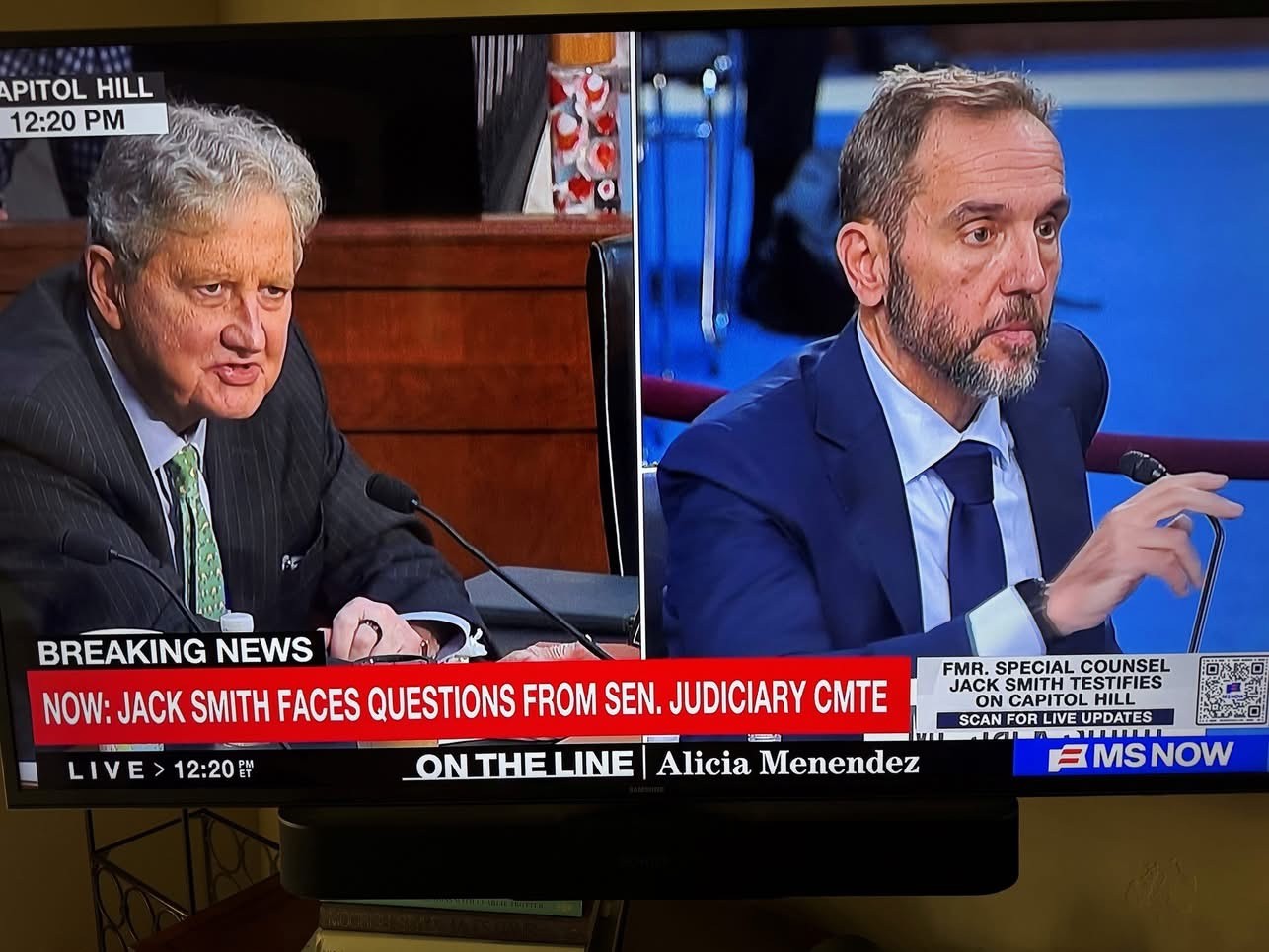
I Am Not a Politician, and I Have No Partisan Loyalties
October 2, 2026
A Man of Incorruptible Integrity
September 29, 2026

HUMAN VALUES: NOT SPECIFIED
September 23, 2026
You Can’t Do That.
September 21, 2026
I AM SICKENED
September 18, 2026
The Courage to Defend a Principle
September 17, 2026
Read More Articles
The Latest... And Sometimes Greatest
The Better Angels Among Us
By all appearances, we are becoming less the land of the brave than the land of resentment. Every day is Groundhog Day: same arguments, same...
September 14, 2026
We Remember
On September 11, 2001, nearly 3,000 people were killed in terrorist attacks in New York, at the Pentagon, and aboard Flight 93 in Pennsylvania. More...
September 11, 2026
Mister Roberts!
One of my favorite movies is Mister Roberts, the 1955 comedy-drama set aboard the USS Reluctant in the Pacific during World War II. Henry Fonda...
September 8, 2026
Where’s the Character
In 1984, Wendy’s ran a television commercial featuring the redoubtable Clara Peller, staring at an enormous hamburger bun. Inside was a burger patty smaller than...
August 7, 2026
It Was Important Then. It is Important Today
Freedom of speech in America is under attack, not only when people are denied the right to speak, but when lies, intimidation and the deliberate...
August 3, 2026
When Political Identity Replaces Ethical Judgment
The political and cultural landscape has become a minefield of conflicting beliefs, many now rooted less in public policy than in personal identity. One of...
July 31, 2026