Published: January 10, 2023
By Jim Lichtman
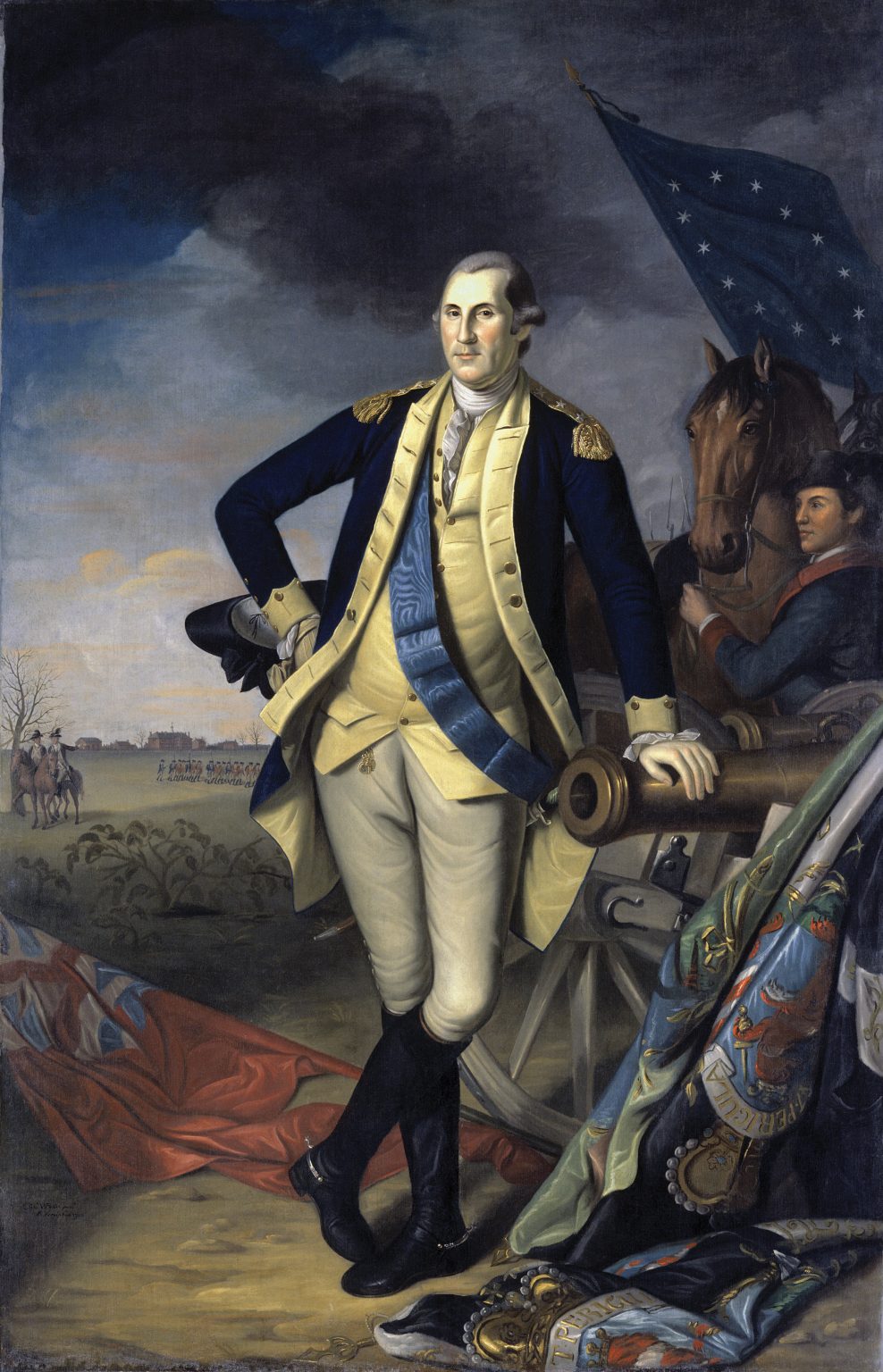
With offensive slurs and threats thrown around, Friday’s election of a House speaker was another example of a lack of civility in America.
But our first president, George Washington didn’t have the best of dispositions either. He had a reputation for “tumultuous passions that accompany greatness,” Gouverneur Morris, one of the Founding Fathers, noted of Washington.
The Latin word civilis means “relating to public life, befitting a citizen.”
Ethics teacher, Michael Josephson defines the principles of civility: “treat others with consideration; conform to accepted notions of taste and propriety in dealing with others; never resort to intimidation, coercion, or violence. Tolerate other people’s beliefs and accept individual differences without prejudice.”
At a young age, George Washington translated a French book of etiquette that contained 101 rules of civility that hewould use to overcome his “tumultuous passions.” Here are a few:
- Every action in company ought to be with some sign of respect to those present.
- Speak not when others speak, sit not when others stand.
- Read no letters, books, papers (or cell phones) in company; but when there is a necessity for doing it, you must ask to leave.
- Let your continence be pleasant, but in serious matters somewhat grave.
- Show not yourself glad at the misfortune of another, though he were your enemy.
- They that are in dignity or office have in all places precedency, but whilst they are young, they ought to respect those that are their equals in birth or other qualities.
- Strive not with your superiors in argument, but always submit your judgment to others with modesty.
- When a man does all he can, though it succeeds not well, blame not him that did it.
- Being to advise or reprehend anyone, consider whether it ought to be in public or in private, presently or at some other time, also in what terms to do it; and in reproving show no signs of choler [anger], but do it with sweetness and mildness.
- Mock not nor jest at anything of importance; break no jests that are sharp or biting; and if you deliver anything witty or pleasant, abstain from laughing thereat [at the place] yourself.
- Wherein you reprove [accuse] another be unblamable yourself, for example, is more prevalent than precept.
- Use no reproachful [judgmental] language against anyone, neither curses nor revilings [criticisms].
- Detract not from others, but neither e excessive in commending.
- Give not advice without being asked; and when desired, do it briefly.
- Think before you speak.
- When another speaks, be attentive yourself, and disturb not the audience; interrupt him not, nor answer him till his speech be ended.
- Undertake not what you cannot perform, but be careful to keep your promise.
- When you deliver a matter, do it without passion and indiscretion, however, mean the person may be to you.
- Be not tedious in discourse, make not many digressions, nor repeat often the same matter of discourse.
- Be not angry at table, whatever happens; and if you have reason to be so show it not; put on a cheerful countenance, especially if there be strangers, for good humor makes one dish a feast.
- Speak no evil of the absent, for it is unjust.
- Let your conversation be without malice or envy, for it is a sign of tractable [amenable] and commendable nature, and in all causes of passion admit reason to govern.
- Be not hasty to believe flying reports to the disparagement of anyone.
- Associate yourself with men of good quality if you esteem your own reputation, for it is better to be alone than in bad company.
- Labor to keep alive in your breast that little spark of celestial fire called conscience.
In reading this short list of Washington’s rules, I found more than one that I need to pay closer attention to. So, this commentary is written for me as well as you.
Comments


Recent Commentaries

November 4, 2026
October 20, 2026

Has America Lost Its Way?
October 16, 2026
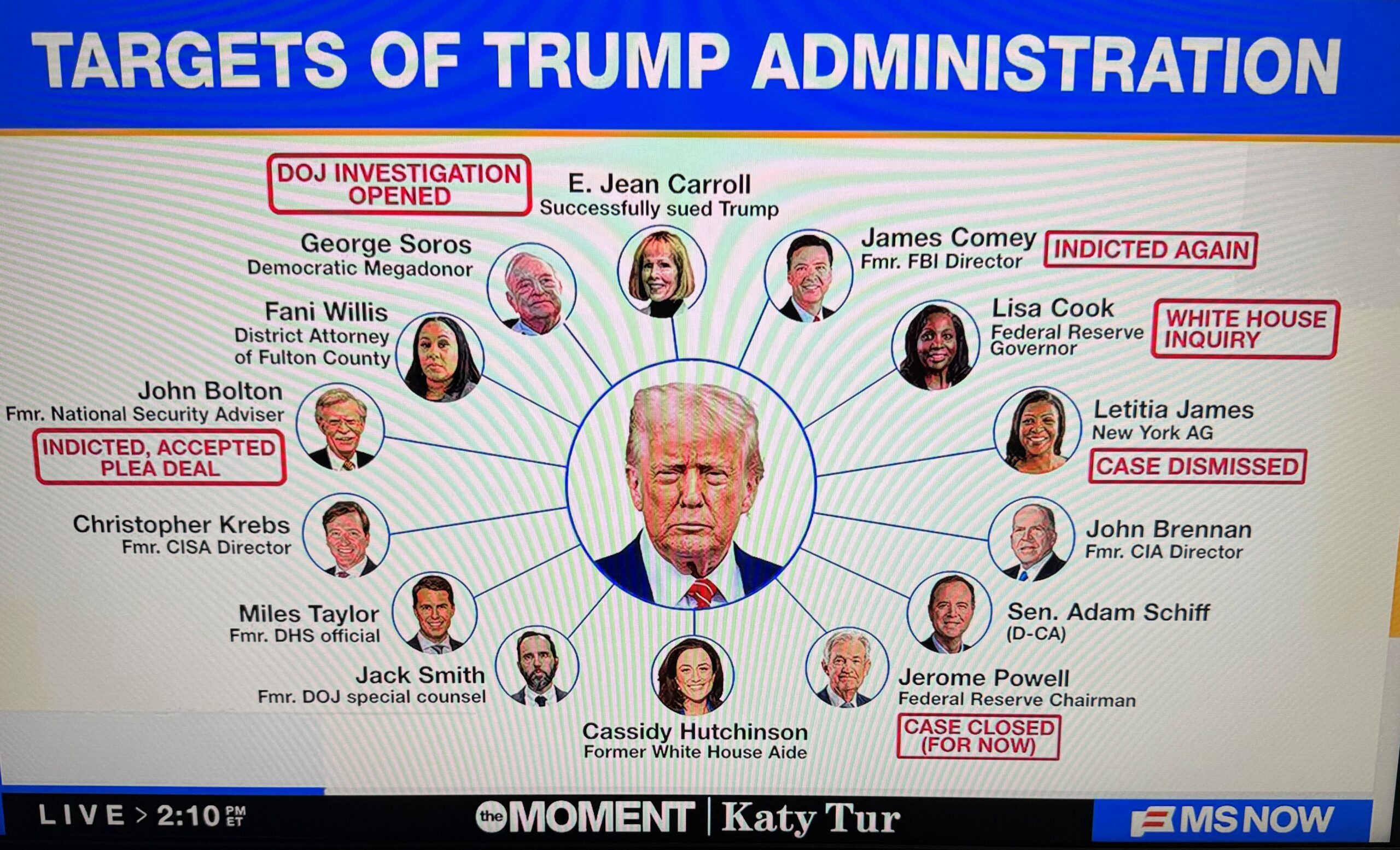
All The President’s Targets
October 13, 2026
Integrity Doesn’t Require a Megaphone
October 12, 2026

WHOSE PURPOSE DOES THIS SERVE?
October 9, 2026

Choreographer of Disaster
October 5, 2026
I Am Not a Politician, and I Have No Partisan Loyalties
October 2, 2026
A Man of Incorruptible Integrity
September 29, 2026

HUMAN VALUES: NOT SPECIFIED
September 23, 2026
You Can’t Do That.
September 21, 2026
Read More Articles
The Latest... And Sometimes Greatest
I AM SICKENED
Tonight, protesters are surrounding the Kennedy Center, the living memorial to John F. Kennedy and the heartbeat of Washington’s cultural life. They are there because...
September 18, 2026
The Courage to Defend a Principle
In 1998, at the height of the Clinton-Lewinsky scandal, Secret Service Director Lewis Merletti was driving to work when a radio report stopped him cold....
September 17, 2026
The Better Angels Among Us
By all appearances, we are becoming less the land of the brave than the land of resentment. Every day is Groundhog Day: same arguments, same...
September 14, 2026
We Remember
On September 11, 2001, nearly 3,000 people were killed in terrorist attacks in New York, at the Pentagon, and aboard Flight 93 in Pennsylvania. More...
September 11, 2026
Mister Roberts!
One of my favorite movies is Mister Roberts, the 1955 comedy-drama set aboard the USS Reluctant in the Pacific during World War II. Henry Fonda...
September 8, 2026
Where’s the Character
In 1984, Wendy’s ran a television commercial featuring the redoubtable Clara Peller, staring at an enormous hamburger bun. Inside was a burger patty smaller than...
August 7, 2026