Published: June 18, 2026
By Jim Lichtman
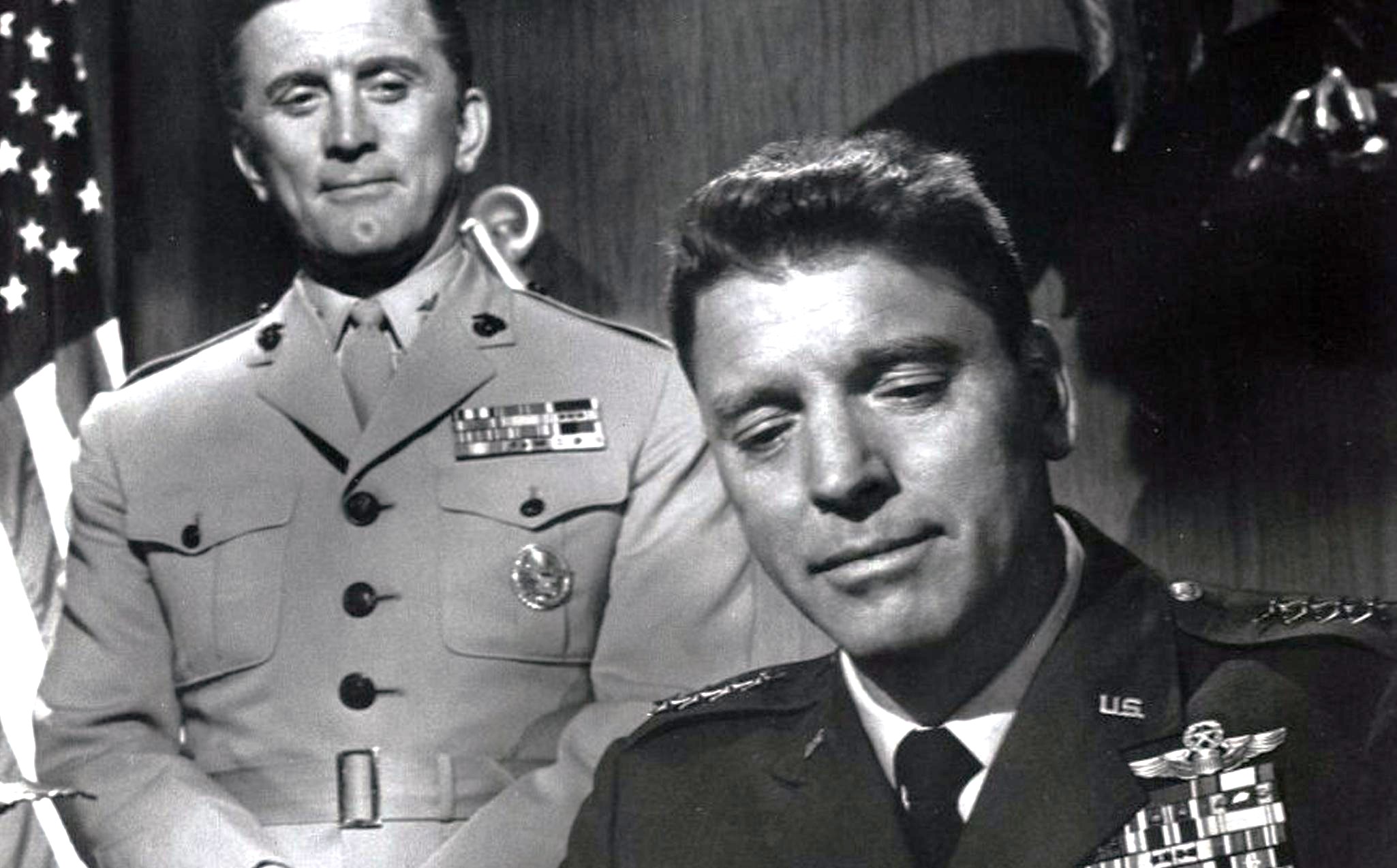
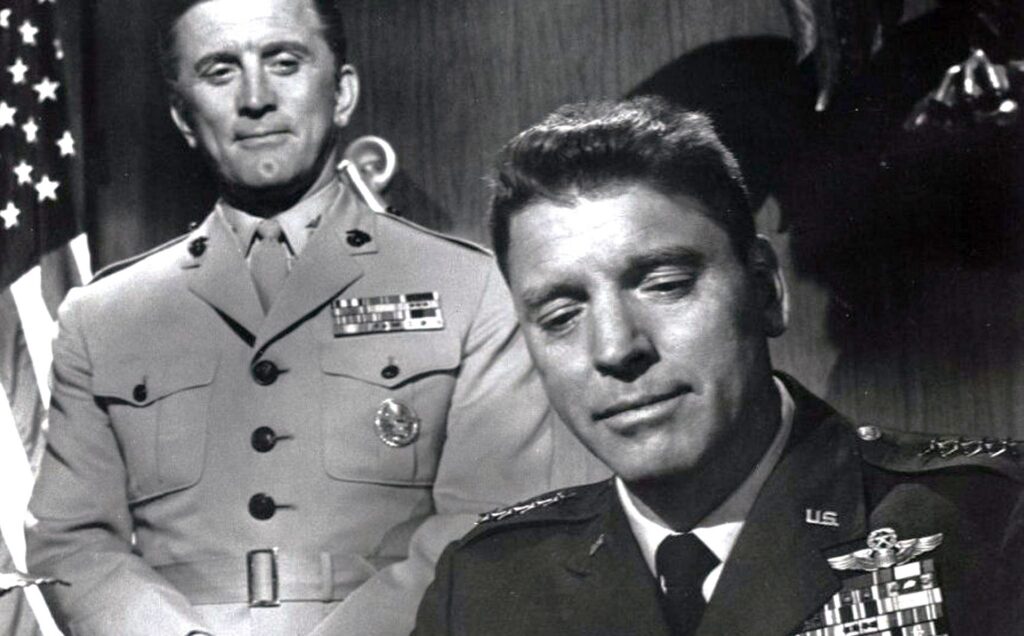
The current American political order is starting to feel like a collision between the films Seven Days in May and All the King’s Men. One warns us about powerful institutions turning against constitutional democracy. The other shows how a populist leader can take grievance, resentment, and loyalty and turn them into a system of rule.
I recently watched both films again and was struck by how familiar they felt. Not because we are living through their exact plots, but because their political atmosphere feels uncomfortably close to our own. They imagine a country where democratic institutions still exist, but where the people entrusted with protecting them either bend them to their own purposes or lack the courage to defend them.
In Seven Days in May, the threat comes from elite insiders who convince themselves they are saving the country by subverting it. The danger is not chaos in the streets. It is order being used against democracy. The generals don’t see themselves as traitors, but as patriots rescuing America from a president they consider weak and dangerous. The film understands something essential: anti-democratic power often arrives wrapped in the language of patriotism and national survival.
That parallel feels especially pointed now because the central political dispute in Seven Days in May begins with a deal meant to reduce the danger of war. President Lyman’s nuclear agreement with the Soviet Union is treated by his opponents not as diplomacy, but as surrender. A president tries to move the country away from conflict, and the men who believe themselves to be its true guardians decide that peace itself has become dangerous.
That makes the current U.S./Iran agreement feel like more than a news event.
Whatever one thinks of its terms, the fact that a deal aimed at ending a war can so quickly become a test of loyalty, strength, and national identity is exactly the terrain Seven Days in May understood. The question is not only whether the deal is wise or unwise. It is whether Americans can accept the legitimacy of their own democratic government when they oppose a president’s decision.
That same anxiety hangs over our current political climate. The concern is not simply that one president is aggressive, vindictive, or willing to break norms. The deeper concern is that the guardrails meant to restrain presidential power appear weaker than they once were: a loyal party, a deferential legal movement, a conservative Supreme Court majority that allows a president virtually unrestrained power over political decisions, and a political culture in which retaliation is treated as just another tool of governing.
All the King’s Men is about democracy corrupted from within. Willie Stark begins as a voice for ordinary people — the forgotten, the humiliated, those ignored by the system. But his politics curdle into something darker. Loyalty replaces principle. Public service becomes personal power. Enemies are punished. Government becomes an extension of one man’s appetite.
That is the more troubling comparison to the present moment. The question is not only whether constitutional limits still exist on paper, but whether the political system has the will to enforce them. When a president treats criticism as betrayal and public office as a license for personal vindication, the meaning of democratic government begins to change.
Together, both stories warn us about dangers that now feel joined. Seven Days in May shows democracy threatened by disciplined men who believe they know better than the voters. All the King’s Men shows democracy consumed by a leader who understands the voters too well: their anger, their injuries, their appetite for revenge, and their willingness to excuse corruption carried out in their name.
That is what makes this moment so disturbing. The populist strongman and the institutional enablers no longer seem separate. The leader supplies the grievance. The party supplies obedience. The courts supply permission. The bureaucracy supplies the machinery. And the public supplies either applause or exhaustion.
The lesson of both films is that authoritarianism does not always announce itself as tyranny. Sometimes it presents itself as patriotism. Sometimes as law and order. Sometimes as revenge. And sometimes, most dangerously, as the voice of the people themselves.
President Lyman’s final words in Seven Days in May are particularly prophetic. It’s a message we need now:
“The whisperers and the detractors, the violent men are wrong. We will remain strong and proud, peaceful and patient, and we will see a day when on this earth all men will walk out of the long tunnels of tyranny into the bright sunshine of freedom.”
The question now is whether we will recognize the danger while there is still enough democracy left to defend.
Comments

Recent Commentaries
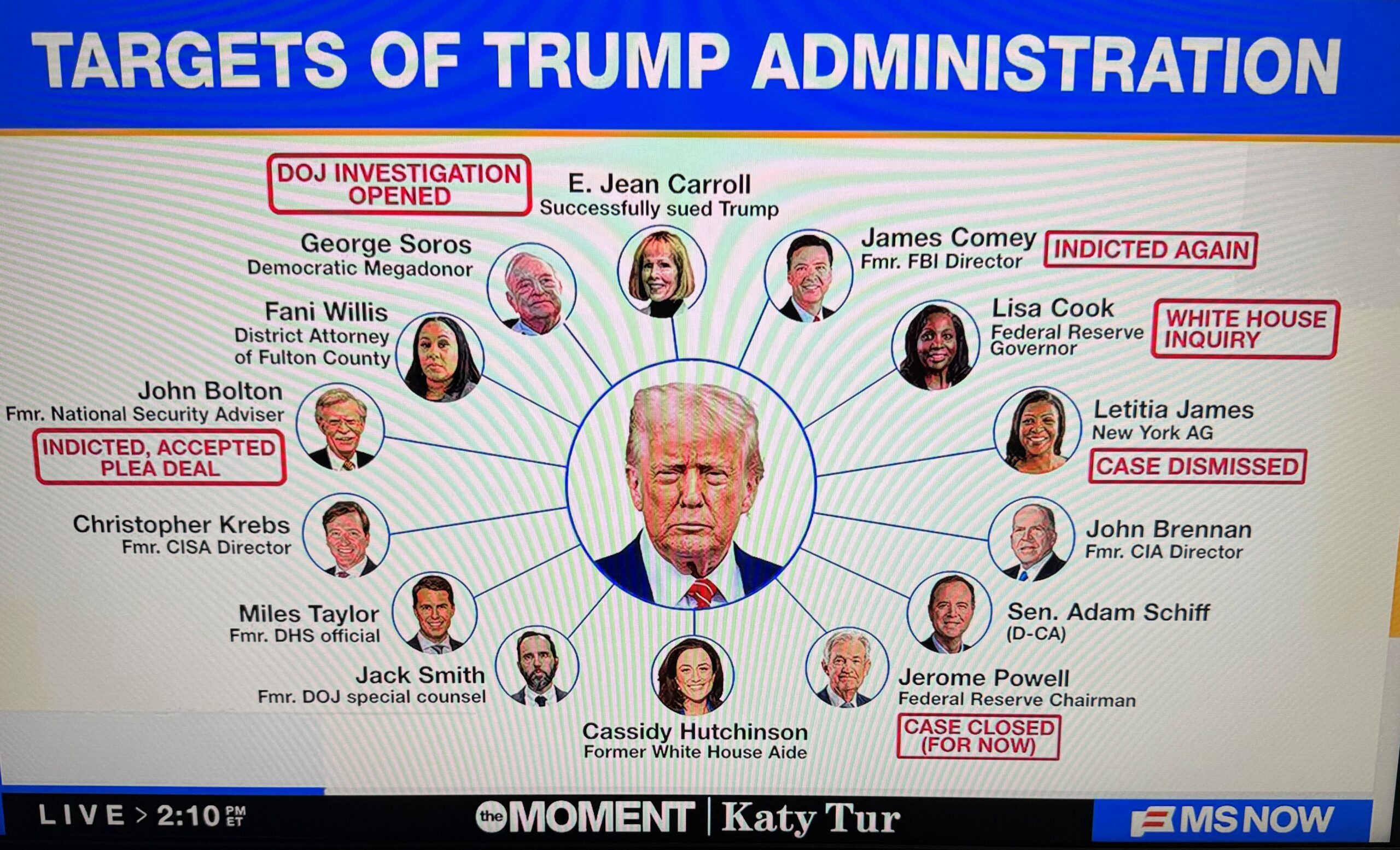
All The President’s Targets
October 13, 2026
Integrity Doesn’t Require a Megaphone
October 12, 2026
WHOSE PURPOSE DOES THIS SERVE?
October 9, 2026

Choreographer of Disaster
October 5, 2026
I Am Not a Politician, and I Have No Partisan Loyalties
October 2, 2026
A Man of Incorruptible Integrity
September 29, 2026

HUMAN VALUES: NOT SPECIFIED
September 23, 2026
You Can’t Do That.
September 21, 2026
I AM SICKENED
September 18, 2026
The Courage to Defend a Principle
September 17, 2026
Read More Articles
The Latest... And Sometimes Greatest
The Better Angels Among Us
By all appearances, we are becoming less the land of the brave than the land of resentment. Every day is Groundhog Day: same arguments, same...
September 14, 2026
We Remember
On September 11, 2001, nearly 3,000 people were killed in terrorist attacks in New York, at the Pentagon, and aboard Flight 93 in Pennsylvania. More...
September 11, 2026
Mister Roberts!
One of my favorite movies is Mister Roberts, the 1955 comedy-drama set aboard the USS Reluctant in the Pacific during World War II. Henry Fonda...
September 8, 2026
Where’s the Character
In 1984, Wendy’s ran a television commercial featuring the redoubtable Clara Peller, staring at an enormous hamburger bun. Inside was a burger patty smaller than...
August 7, 2026
It Was Important Then. It is Important Today
Freedom of speech in America is under attack, not only when people are denied the right to speak, but when lies, intimidation and the deliberate...
August 3, 2026
When Political Identity Replaces Ethical Judgment
The political and cultural landscape has become a minefield of conflicting beliefs, many now rooted less in public policy than in personal identity. One of...
July 31, 2026