Published: July 6, 2026
By Jim Lichtman
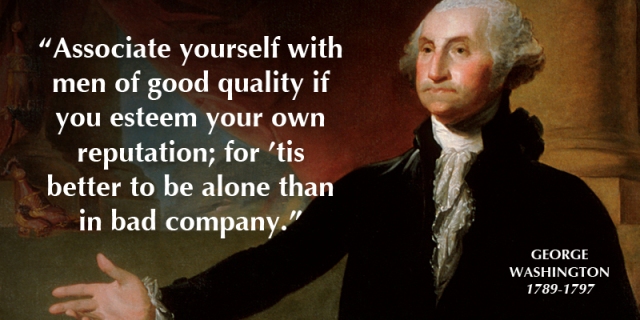
Much has been written about George Washington, our first American president: his command of the Continental Army, his leadership in the fragile birth of a new nation, and his presidency.
But less attention has been paid to Washington the person, the private Washington, whose conduct set a standard that may be even more urgently needed today.
At a time when public life is too often defined by bitter attacks, cruelty on social media, hostile protests, and an “us versus them” mentality, Washington’s example offers something more enduring than politics. It offers a model of character.
Having just celebrated America’s 250th anniversary, this is a fitting moment to refresh, reset, and remember Washington’s Rules of Civility and Decent Behavior. These rules were not merely instructions in manners; they were and continue to be a code of self-discipline and conscience, grounded in respect, restraint, humility, honesty, and concern for others.
Five rules are especially worth remembering:
- “Every action done in company ought to be with some sign of respect to those that are present.”
Respect is not simply something we claim to believe. It is something we show in how we treat the people around us. - “Speak not when you should hold your peace.”
In an age of instant reaction and public outrage, restraint is not silence. It is judgment. - “Let your conversation be without malice or envy.”
Civility is not just politeness. It requires us to resist cruelty, resentment, and the temptation to diminish others. - “When you speak of God or His attributes, let it be seriously and with reverence.”
Washington understood that words carry moral weight, especially when they touch on matters of faith, principle, and public trust. - “Be not hasty to believe flying reports to the disparagement of any.”
In today’s language, do not be quick to believe or spread rumors that damage another person’s reputation. Ethical conduct requires fairness before judgment.
And finally, Washington’s rule that best captures the moral foundation beneath all the others:
“Labor to keep alive in your breast that little spark of celestial fire called conscience.”
This may be the most important rule of all. Civility begins with conscience—the inner voice that reminds us not only what we have a right to do, but what is right to do.
Of course, writing about ethical conduct carries its own obligation. It is not enough to quote Washington or call for a more civil public life. I need to practice what I preach. With that in mind, I offer the following advice to myself.
Jim’s Rule (that he must judiciously attend to.): Be not belligerent toward others without cause, conscience, or restraint.
While it may sometimes be necessary to point out the defects, failures, or misconduct of others—especially in critical times—let it not be done hastily, too often, or with belligerence. Let criticism be guided by truth, fairness, and purpose, not by anger, spite, or the pleasure of attack.
Ethical conduct requires that even when we challenge others, we do not lose command of ourselves.
Comments

Recent Commentaries
Has America Lost Its Way?
October 16, 2026
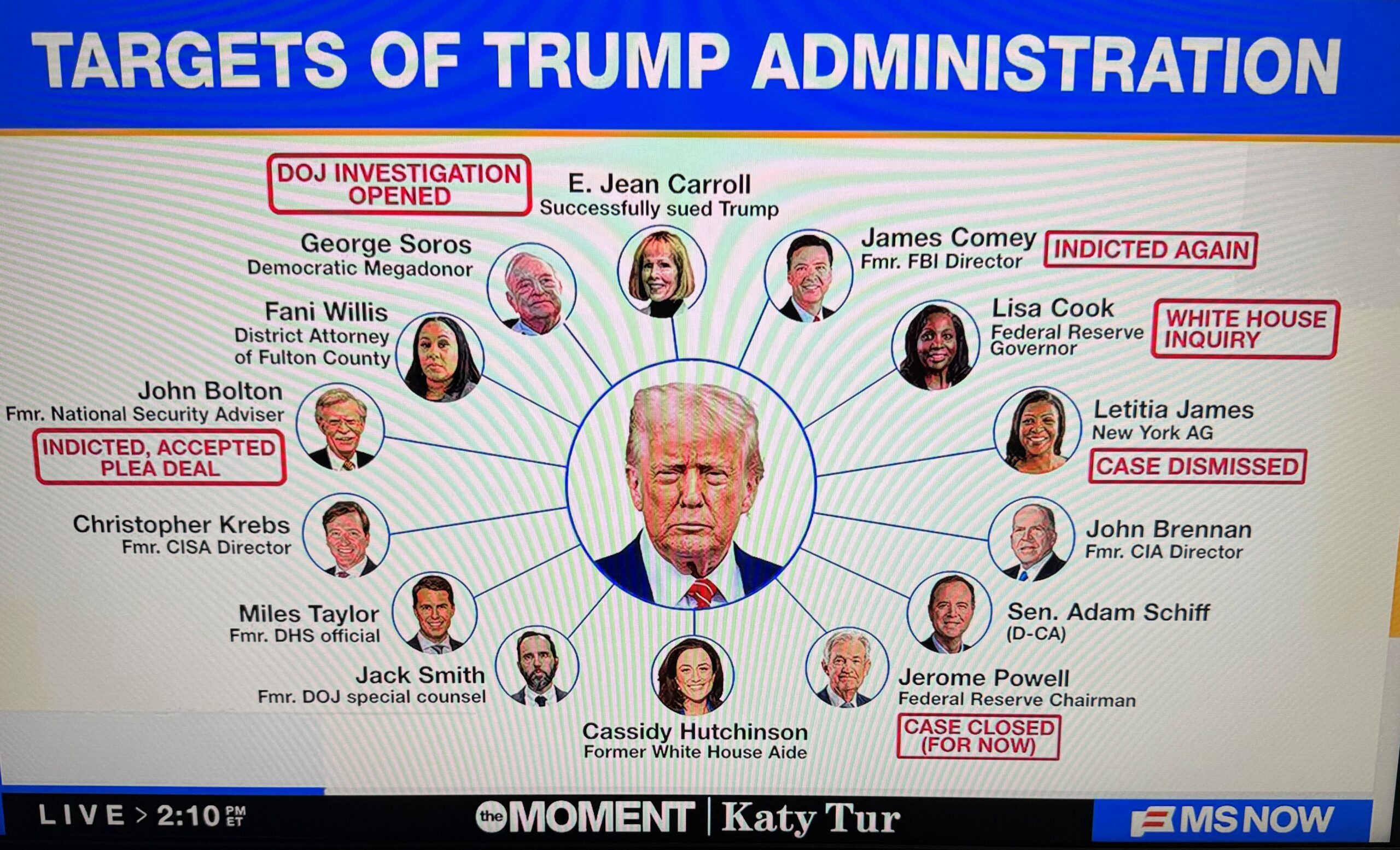
All The President’s Targets
October 13, 2026
Integrity Doesn’t Require a Megaphone
October 12, 2026
WHOSE PURPOSE DOES THIS SERVE?
October 9, 2026

Choreographer of Disaster
October 5, 2026
I Am Not a Politician, and I Have No Partisan Loyalties
October 2, 2026
A Man of Incorruptible Integrity
September 29, 2026

HUMAN VALUES: NOT SPECIFIED
September 23, 2026
You Can’t Do That.
September 21, 2026
I AM SICKENED
September 18, 2026
Read More Articles
The Latest... And Sometimes Greatest
The Courage to Defend a Principle
In 1998, at the height of the Clinton-Lewinsky scandal, Secret Service Director Lewis Merletti was driving to work when a radio report stopped him cold....
September 17, 2026
The Better Angels Among Us
By all appearances, we are becoming less the land of the brave than the land of resentment. Every day is Groundhog Day: same arguments, same...
September 14, 2026
We Remember
On September 11, 2001, nearly 3,000 people were killed in terrorist attacks in New York, at the Pentagon, and aboard Flight 93 in Pennsylvania. More...
September 11, 2026
Mister Roberts!
One of my favorite movies is Mister Roberts, the 1955 comedy-drama set aboard the USS Reluctant in the Pacific during World War II. Henry Fonda...
September 8, 2026
Where’s the Character
In 1984, Wendy’s ran a television commercial featuring the redoubtable Clara Peller, staring at an enormous hamburger bun. Inside was a burger patty smaller than...
August 7, 2026
It Was Important Then. It is Important Today
Freedom of speech in America is under attack, not only when people are denied the right to speak, but when lies, intimidation and the deliberate...
August 3, 2026