Published: November 17, 2025
By Jim Lichtman
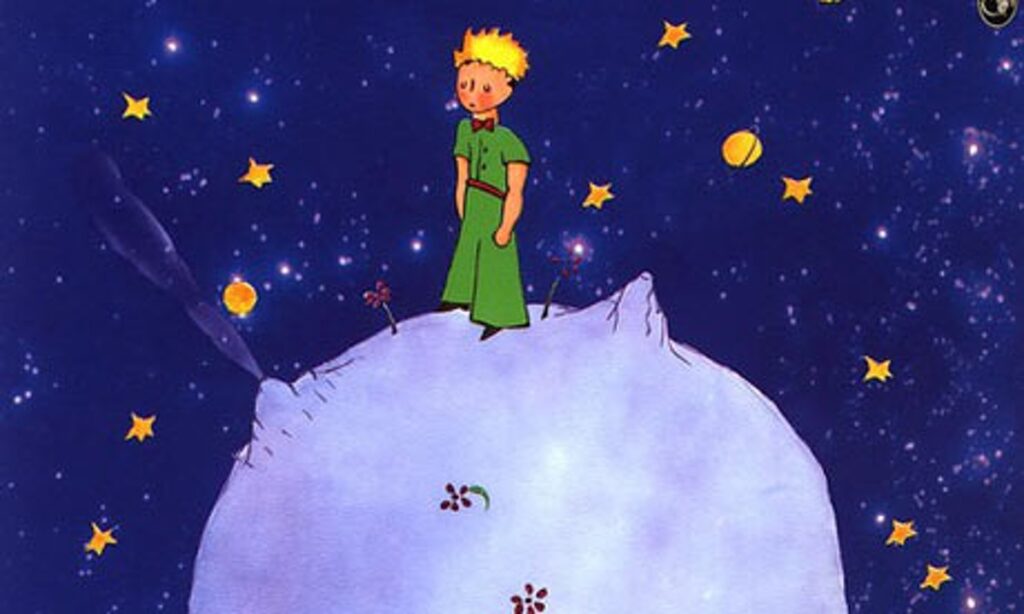
That line from The Little Prince by French aviator and author, Antoine de Saint-Exupéry is the essence of the story and the essence of what we too often forget: that the most meaningful truths, character and love, can’t be photographed or seen. They have to be felt.
You might not think that what many consider a children’s story has anything to teach us about democracy, but it does.
I found myself returning to that line, anticipating Ken Burns’ upcoming series, The American Revolution. What Burns uncovers, time and again, is that the real strength of this country has never been found in its monuments or its rhetoric, but in the values that can’t be seen.
Democracy lives in two places. There’s the part we can see: the speeches, the elections, the debates, the laws. This visible machinery gets most of the attention because it’s loud, dramatic, and easy to argue about. It’s also the part we measure—fundraising, polling, turnout, votes—as if democracy were nothing more than a scoreboard.
But the essential part is the one we don’t see.
Democracy survives, or falters, on the invisible commitments we make to one another: trust in the rule of law, respect for facts, the basic belief that our fellow citizens are not enemies, and the acknowledgment that we are all Americans sharing the same pursuit of happiness. These are quiet virtues. They don’t trend, shout, or fit neatly into a campaign commercial or slogan. Yet without them, all the visible machinery is just noise.
Saint-Exupéry wrote The Little Prince during a time of war. Exiled in the United States, he watched nations fall apart, not just because of invading armies, but because the unseen bonds that once held those societies together had weakened. He understood that the most important forces in our lives—compassion, love, shared responsibility, trust—have to be lived.
The same is true of democracy.
We can point to the statues, the rituals of Election Day, the Constitution. But the strength of our system rests on something deeper: an invisible foundation of respect for each other’s rights, even when we disagree… especially when we disagree.
“What is essential is invisible to the eye.” It was true for Saint-Exupéry. It’s true for us. The question is whether we still value those unseen commitments that hold this fragile Republic together, or whether we’ve become too distracted by the visible drama to notice what’s slipping away.
Comments

Recent Commentaries
Now, More Than Ever
March 6, 2026
Peace Is Not an Elective
March 2, 2026
Revelations
February 26, 2026
The Story of Chips, and The Cost of Looking Away
February 23, 2026

It’s Time to Talk About Respect
February 18, 2026

Adversity and Perseverance
February 16, 2026
Who Decides What’s Seen?
February 12, 2026
The Death of Shame
February 9, 2026

Because We Need It
February 5, 2026
Why George Marshall Still Matters
February 2, 2026
Read More Articles
The Latest... And Sometimes Greatest
The Most Sacred Thing
We toss the word “sacred” around as if it were a mood, something reserved for private faith. But in public life, “sacred” has a harder...
January 29, 2026
THIS Cannot Be Ignored
New information has now confirmed what many feared from the start: Alex Pretti was disarmed before he was shot—multiple times—by federal agents in Minneapolis. Whatever...
January 25, 2026
Year One
Not long ago, I stopped watching the national news. I told myself I was stepping away from the noise and the churn for some peace...
January 20, 2026
Removed
First an update: Not long ago, 60 Minutes, the CBS news program, pulled a segment a few hours before it was set to air. The...
January 18, 2026
Clarence Darrow’s Warning to a Tired Democracy
I first read Clarence Darrow for an American Jurisprudence class in college and have returned to his work several times since. He is widely regarded...
January 15, 2026
Accountability, Optional
On October 7, 2025, Pam Bondi, the nation’s chief law enforcement officer, appeared before a Senate oversight committee and refused to answer question after question,...
January 12, 2026