Published: October 20, 2025
By Jim Lichtman
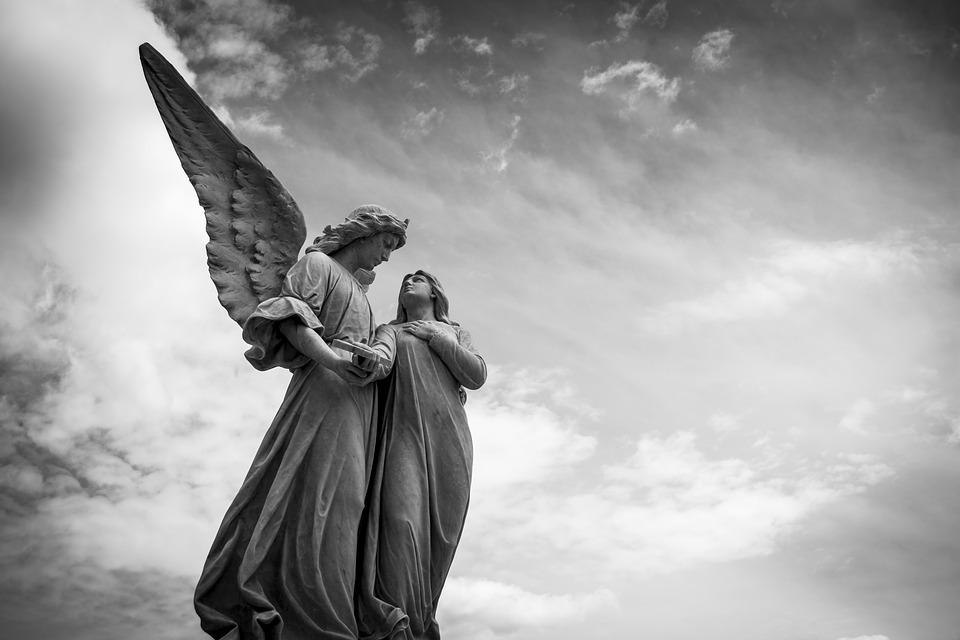
I’ve read and re-read Lincoln’s Second Inaugural Address many times. Today, its words and meaning echo more loudly than ever.
“Both parties deprecated war; but one of them would make war rather than let the nation survive, and the other would accept war rather than let it perish.”
Lincoln refused to paint one side as righteous and the other as evil. He understood that both sides shared responsibility for the conflict. The struggle may look different today, but the spirit is the same: too many would rather see the other side lose than see the country heal.
“The prayers of both could not be answered; that of neither has been answered fully.”
Lincoln warned of the danger in believing God is always on our side. That same certainty haunts us now—when faith is twisted into politics and conviction becomes a weapon instead of a guide.
“With malice toward none; with charity for all; with firmness in the right as God gives us to see the right…”
In a single sentence, Lincoln defined the moral balance we seem to have forgotten: the strength to care without surrendering principle, and the courage to stand firm without hatred. It wasn’t a call to surrender; it was a call to grace—to rise above anger, hatred and division.
“…to bind up the nation’s wounds, to care for him who shall have borne the battle, and for his widow, and his orphan…”
Lincoln reminded the country that reconciliation begins with empathy. In our time, when outrage drowns out compassion, understanding, that message is not history…it’s instruction.
Lincoln ended his address not with triumph, but with humility. He understood that victory without healing is hollow and that unity without forgiveness is impossible.
Lincoln’s appeal to the “better angels of our nature” was not a plea to political leaders. It was a call to the conscience of we the people. He knew democracy depends on something deeper than law—it depends on character. When integrity weakens, confidence falters; when decency fades, the space it leaves behind is quickly filled by doubt.
We’re testing that truth again. Every day, we hear voices insisting that loyalty belongs not to the Constitution, but to a man: that the press is the enemy, that courts are corrupt unless they rule a certain way, that those who disagree are not fellow citizens but enemies to be defeated.
So where are our better angels?
They’re not gone. They live in the people who still believe in service over self: the election worker who shows up after receiving threats, the journalist who keeps reporting facts in the face of smears, the public servant who tells the truth even when it costs them their job. These are the quiet acts of courage that preserve what shouting cannot destroy.
But they can’t do it alone. We need to re-learn how to listen, how to disagree without dehumanizing, how to defend truth even when it hurts our pride. Ethics doesn’t ask us to be perfect; it asks us to be honest—to hold ourselves accountable before we condemn others.
Lincoln believed that “the mystic chords of memory” would one day “swell the chorus of the Union.” Whether those chords sound again depends on us.
Our better angels aren’t gone. They’re waiting for us to remember who we are.
Comments
Recent Commentaries
November 4, 2026
October 20, 2026
Has America Lost Its Way?
October 16, 2026
All The President’s Targets
October 13, 2026
Integrity Doesn’t Require a Megaphone
October 12, 2026
WHOSE PURPOSE DOES THIS SERVE?
October 9, 2026
Choreographer of Disaster
October 5, 2026
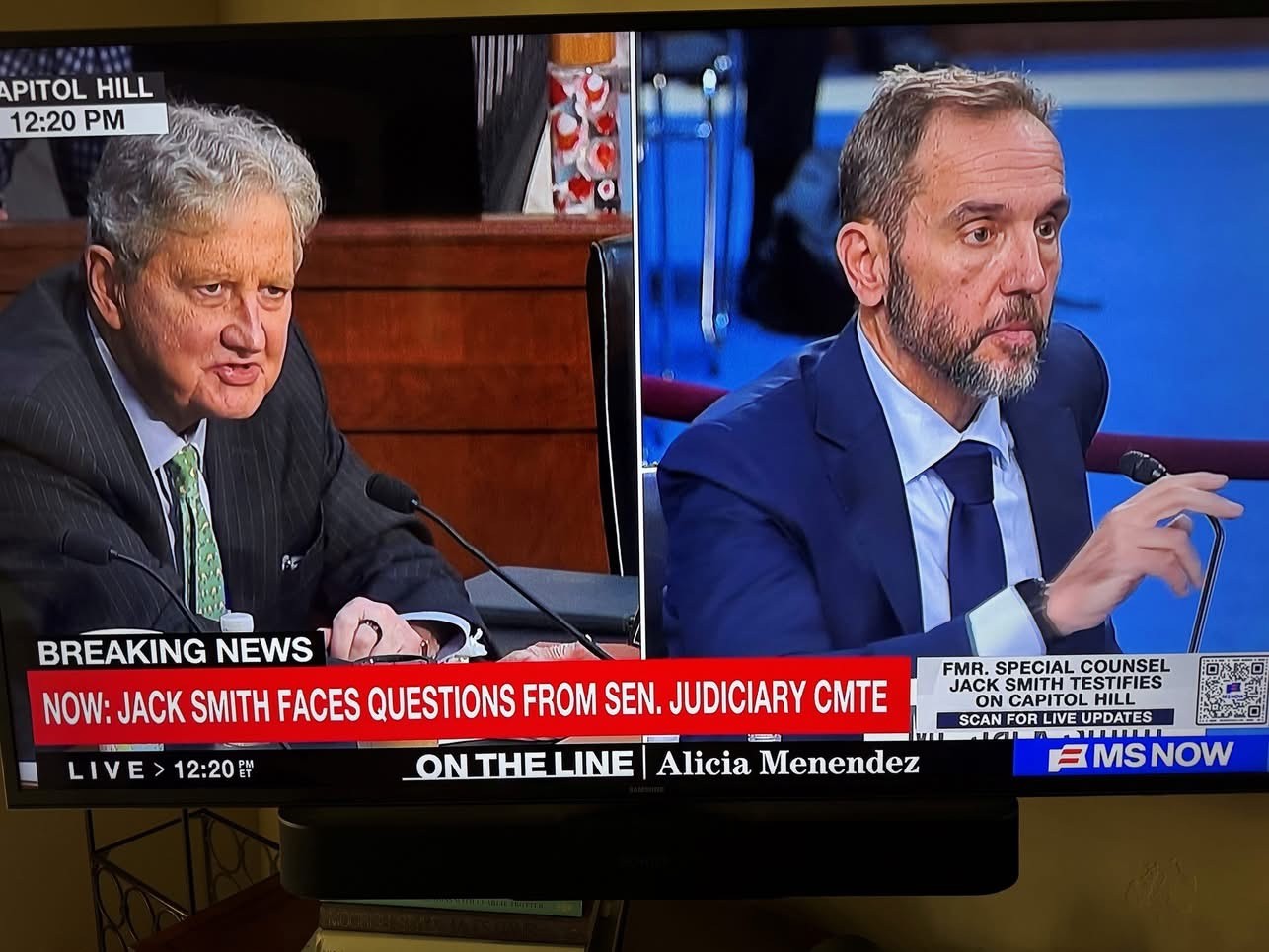
I Am Not a Politician, and I Have No Partisan Loyalties
October 2, 2026
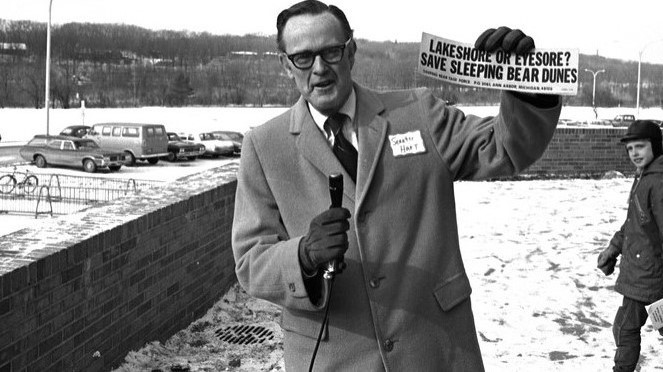
A Man of Incorruptible Integrity
September 29, 2026

HUMAN VALUES: NOT SPECIFIED
September 23, 2026
You Can’t Do That.
September 21, 2026
Read More Articles
The Latest... And Sometimes Greatest
I AM SICKENED
Tonight, protesters are surrounding the Kennedy Center, the living memorial to John F. Kennedy and the heartbeat of Washington’s cultural life. They are there because...
September 18, 2026
The Courage to Defend a Principle
In 1998, at the height of the Clinton-Lewinsky scandal, Secret Service Director Lewis Merletti was driving to work when a radio report stopped him cold....
September 17, 2026
The Better Angels Among Us
By all appearances, we are becoming less the land of the brave than the land of resentment. Every day is Groundhog Day: same arguments, same...
September 14, 2026
We Remember
On September 11, 2001, nearly 3,000 people were killed in terrorist attacks in New York, at the Pentagon, and aboard Flight 93 in Pennsylvania. More...
September 11, 2026
Mister Roberts!
One of my favorite movies is Mister Roberts, the 1955 comedy-drama set aboard the USS Reluctant in the Pacific during World War II. Henry Fonda...
September 8, 2026
Where’s the Character
In 1984, Wendy’s ran a television commercial featuring the redoubtable Clara Peller, staring at an enormous hamburger bun. Inside was a burger patty smaller than...
August 7, 2026