Published: May 25, 2010
By Jim Lichtman
South African Bishop Desmond Tutu is a Nobel Laureate whose other passion is the abolishment of all nuclear weapons. The following Op-ed, originally published in the Sunday Observer/UK (May 23), was sent to me by David Krieger, president of the Nuclear Age Peace Foundation. Bishop Tutu’s words are both passionate and compelling.
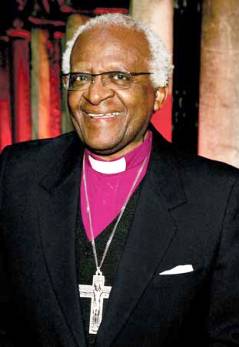
This year the nuclear bomb turns 65 – an appropriate age, by international standards, for compulsory retirement. But do our leaders have the courage and wisdom to rid the planet of this ultimate menace? The five-yearly review of the ailing nuclear non-proliferation treaty[1], currently under way at the United Nations in New York, will test the strength of governments’ commitment to a nuclear-weapon-free world.
If they are serious about realizing this vision, they will work now to shift the focus from the failed policy of nuclear arms control, which assumes that a select few states can be trusted with these weapons, to nuclear abolition. Just as we have outlawed other categories of particularly inhuman and indiscriminate weapons – from biological and chemical agents to anti-personnel landmines and cluster munitions – we must now turn our attention to outlawing the most iniquitous weapons of all.
Gains in nuclear disarmament to date have come much too slowly. More than 23,000 nuclear arms remain in global stockpiles, breeding enmity and mistrust among nations, and casting a shadow over us all. None of the nuclear-armed countries appears to be preparing for a future without these terrifying devices. Their failure to disarm has spurred nuclear proliferation, and will continue to destabilize the planet unless we radically alter our trajectory now. Forty years after the NPT entered into force, we should seriously question whether we are on track to abolition.
Disarmament is not an option for governments to take up or ignore. It is a moral duty owed by them to their own citizens, and to humanity as a whole. We must not await another Hiroshima or Nagasaki before finally mustering the political will to banish these weapons from global arsenals. Governments should agree at this NPT review conference to toss their nuclear arms into the dustbin of history, along with those other monstrous evils of our time – slavery and apartheid.
Skeptics tell us, and have told us for many years, that we are wasting our time pursuing the dream of a world without nuclear weapons, as it can never be realized. But more than a few people said the same about ending entrenched racial segregation in South Africa and abolishing slavery in the United States. Often they had a perceived interest in maintaining the status quo. Systems and policies that devalue human life, and deprive us all of our right to live in peace with each other, are rarely able to withstand the pressure created by a highly organized public that is determined to see change.
The most obvious and realistic path to a nuclear-weapon-free world is for nations to negotiate a legally binding ban, which would include a timeline for elimination and establish an institutional framework to ensure compliance. Two-thirds of all governments have called for such a treaty, known as a nuclear weapons convention, and UN secretary general Ban Ki-moon has voiced his support for the idea. Only the nuclear weapon states and NATO members are holding us back.
Successful efforts to prohibit other classes of weapons provide evidence that, where there is political momentum and widespread popular support, obstacles which may at first appear insurmountable can very often be torn down. Nuclear abolition is the democratic wish of the world’s people, and has been our goal almost since the dawn of the atomic age. Together, we have the power to decide whether the nuclear era ends in a bang or worldwide celebration.
Last April in the Czech capital, Prague, President Barack Obama announced that the United States would seek the peace and security of a world without nuclear weapons, but he warned that nations probably would not eliminate their arsenals in his lifetime. I am three decades older than the US president, yet I am confident that both of us will live to see the day when the last nuclear weapon is dismantled. We just need to think outside the bomb.
Comments

Recent Commentaries

November 4, 2026
October 20, 2026

Has America Lost Its Way?
October 16, 2026
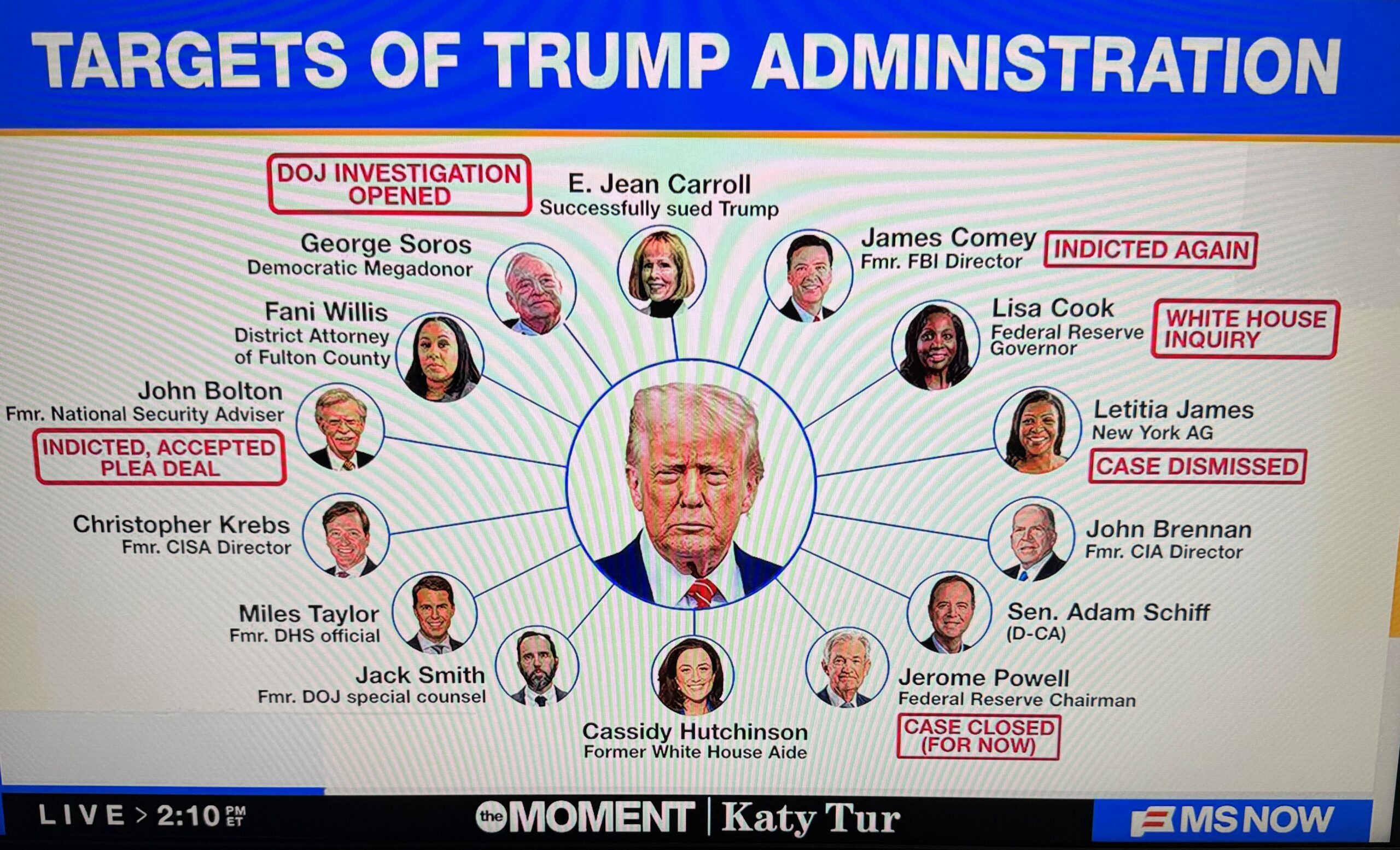
All The President’s Targets
October 13, 2026
Integrity Doesn’t Require a Megaphone
October 12, 2026
WHOSE PURPOSE DOES THIS SERVE?
October 9, 2026

Choreographer of Disaster
October 5, 2026
I Am Not a Politician, and I Have No Partisan Loyalties
October 2, 2026
A Man of Incorruptible Integrity
September 29, 2026

HUMAN VALUES: NOT SPECIFIED
September 23, 2026
You Can’t Do That.
September 21, 2026
Read More Articles
The Latest... And Sometimes Greatest
I AM SICKENED
Tonight, protesters are surrounding the Kennedy Center, the living memorial to John F. Kennedy and the heartbeat of Washington’s cultural life. They are there because...
September 18, 2026
The Courage to Defend a Principle
In 1998, at the height of the Clinton-Lewinsky scandal, Secret Service Director Lewis Merletti was driving to work when a radio report stopped him cold....
September 17, 2026
The Better Angels Among Us
By all appearances, we are becoming less the land of the brave than the land of resentment. Every day is Groundhog Day: same arguments, same...
September 14, 2026
We Remember
On September 11, 2001, nearly 3,000 people were killed in terrorist attacks in New York, at the Pentagon, and aboard Flight 93 in Pennsylvania. More...
September 11, 2026
Mister Roberts!
One of my favorite movies is Mister Roberts, the 1955 comedy-drama set aboard the USS Reluctant in the Pacific during World War II. Henry Fonda...
September 8, 2026
Where’s the Character
In 1984, Wendy’s ran a television commercial featuring the redoubtable Clara Peller, staring at an enormous hamburger bun. Inside was a burger patty smaller than...
August 7, 2026