Published: June 4, 2025
By Jim Lichtman

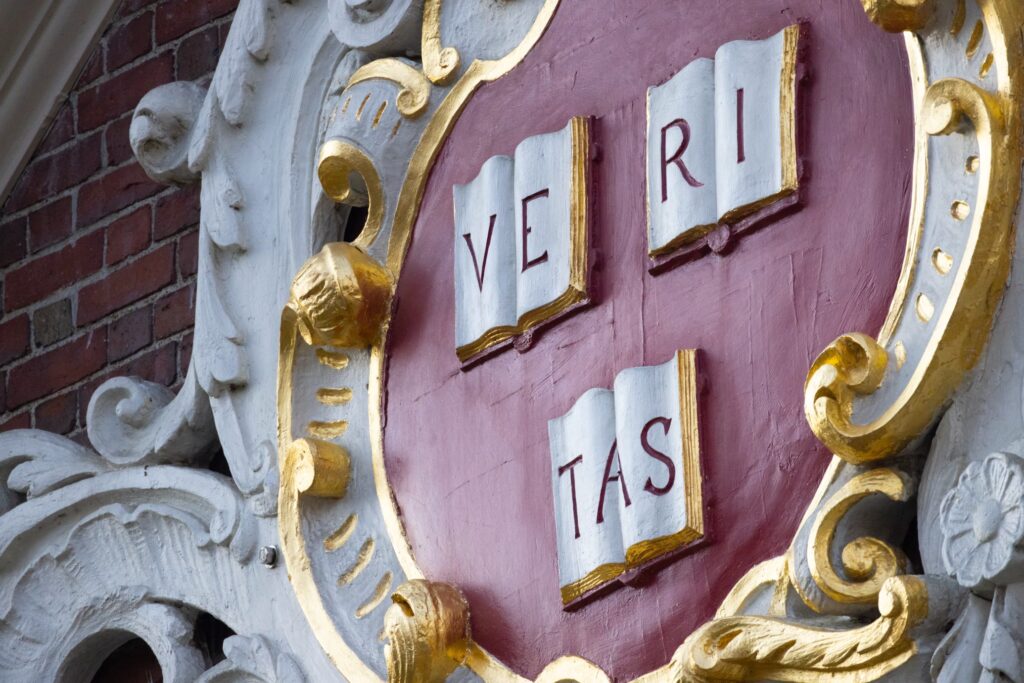
Photo by Xiangkun ZHU on Unsplash
Say the words “Harvard” and “$53 billion endowment” in the same sentence, and you’re bound to hear this: Why on earth would they ever need more money? It’s a reasonable question—and an ethical one.
At a time when student debt tops $1.7 trillion nationwide and working families struggle with rising tuition, the optics of America’s wealthiest university continuing to raise funds and charge significant tuition seem, at best, out of step with the values of accessibility and fairness in education.
But the full picture is not so simple:
First, Harvard’s endowment isn’t a bottomless ATM. It operates more like a complex trust: More than 70% of its funds are legally restricted, earmarked by donors for very specific purposes—research into cancer, a scholarship for students from rural Montana, or upkeep of a historic building. These funds are not, and cannot be, reallocated for general use—no matter how worthy the cause.
Second, there’s the issue of sustainability. Harvard draws down about 4.5 to 5 percent of its endowment annually—roughly $2.3 billion—to support its $6.4 billion operating budget. That money helps power one of the world’s most expansive educational ecosystems: 600 buildings, 30,000 students and staff, world-class museums, public libraries, and research centers tackling everything from public health to climate change. That annual draw is a safeguard to ensure the endowment continues to support future generations. It’s long-term stewardship in action.
Still, there’s an ethical tension that can’t be ignored.
Transparency matters. When the public sees an institution sitting on billions while families struggle with tuition, there’s a responsibility to explain—not just manage—resources wisely. Harvard has taken steps to do that, offering one of the most generous financial aid programs in the country. Families earning under $85,000 a year pay nothing for tuition, housing, or meals. For many middle-class families, the cost is significantly reduced.
But here’s the rub: How we balance wealth with responsibility speaks volumes about our values.
Fundraising isn’t just about dollars; it’s about priorities. Donations allow Harvard to expand access, support underrepresented students, and fund research that serves the public good. But the university must also grapple with how it presents itself. Can it do more to simplify access to financial aid? Can it lead a broader national effort to model affordability and inclusion? The answer to both is yes.
The bigger ethical question is this: What kind of educational system do we want to support—and what is the role of an elite institution in that system? Harvard has both the resources and the moral obligation to lead not just in research or rankings, but in equity.
A $53 billion endowment is not a symbol of greed—it’s a challenge. To steward that wealth with humility, to explain its use with clarity, and to ensure that the benefits extend beyond its gates. Not just today, but for generations to come.
Comments

Recent Commentaries

November 4, 2026
October 20, 2026

Has America Lost Its Way?
October 16, 2026
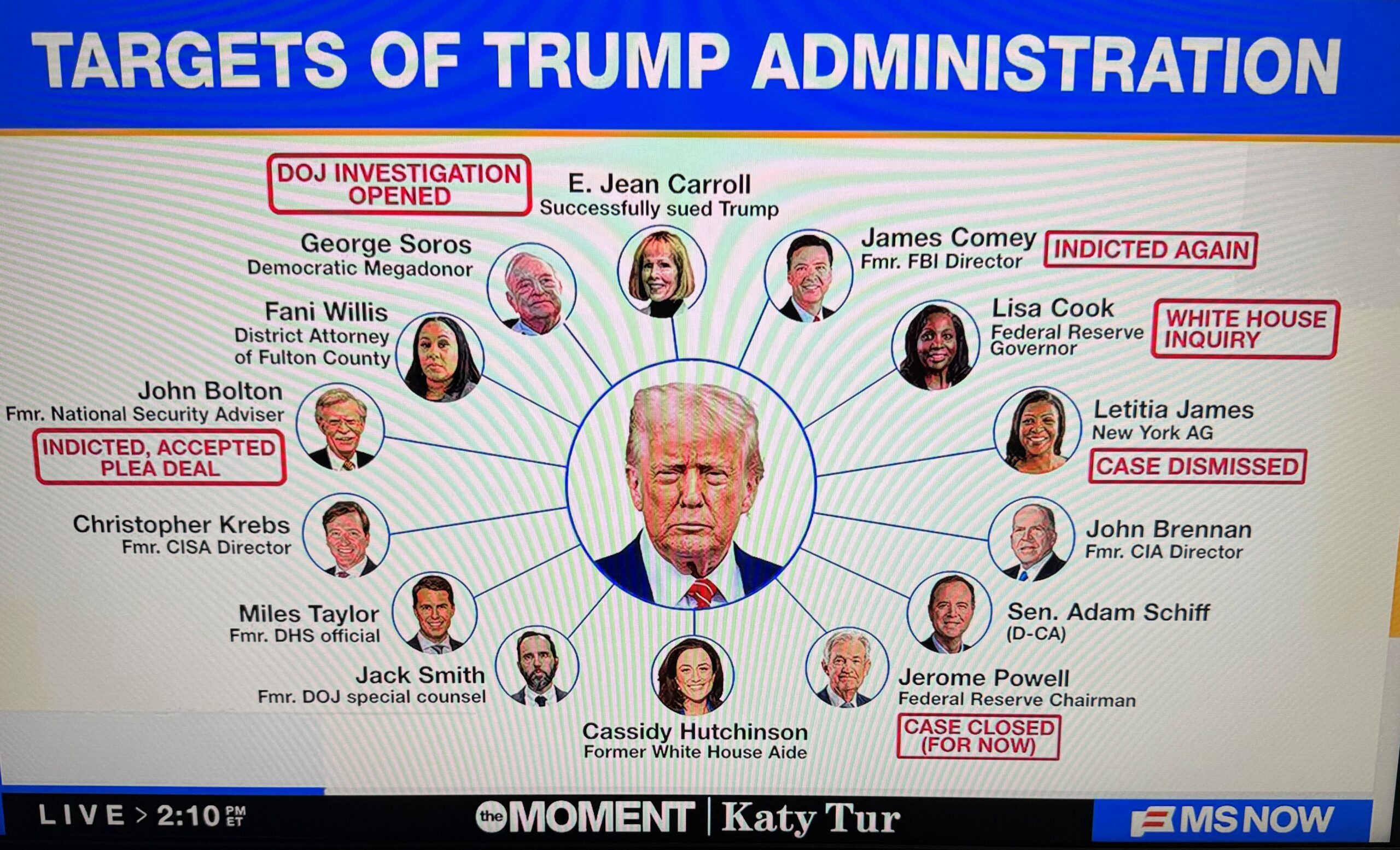
All The President’s Targets
October 13, 2026

Integrity Doesn’t Require a Megaphone
October 12, 2026
WHOSE PURPOSE DOES THIS SERVE?
October 9, 2026

Choreographer of Disaster
October 5, 2026
I Am Not a Politician, and I Have No Partisan Loyalties
October 2, 2026

A Man of Incorruptible Integrity
September 29, 2026

HUMAN VALUES: NOT SPECIFIED
September 23, 2026

You Can’t Do That.
September 21, 2026
Read More Articles
The Latest... And Sometimes Greatest
I AM SICKENED
Tonight, protesters are surrounding the Kennedy Center, the living memorial to John F. Kennedy and the heartbeat of Washington’s cultural life. They are there because...
September 18, 2026
The Courage to Defend a Principle
In 1998, at the height of the Clinton-Lewinsky scandal, Secret Service Director Lewis Merletti was driving to work when a radio report stopped him cold....
September 17, 2026
The Better Angels Among Us
By all appearances, we are becoming less the land of the brave than the land of resentment. Every day is Groundhog Day: same arguments, same...
September 14, 2026
We Remember
On September 11, 2001, nearly 3,000 people were killed in terrorist attacks in New York, at the Pentagon, and aboard Flight 93 in Pennsylvania. More...
September 11, 2026
Mister Roberts!
One of my favorite movies is Mister Roberts, the 1955 comedy-drama set aboard the USS Reluctant in the Pacific during World War II. Henry Fonda...
September 8, 2026
Where’s the Character
In 1984, Wendy’s ran a television commercial featuring the redoubtable Clara Peller, staring at an enormous hamburger bun. Inside was a burger patty smaller than...
August 7, 2026