Published: November 26, 2009
By Jim Lichtman
Being ignorant is not so much a shame, as being unwilling to learn. – Benjamin Franklin
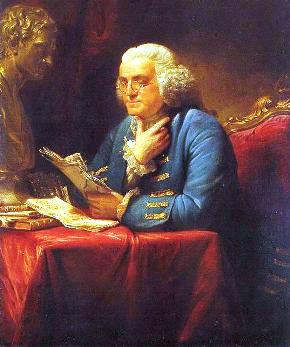
When he was a mere 26 years of age, Benjamin Franklin conceived of writing a book about living rightly. Always a student of new ideas, Franklin was constantly examining codes of behavior and how each of us might better understand our place and purpose in the world.
Editor George Rogers compiled Franklin’s writings in The Art of Virtue, a handy little volume with the subtitle, His Formula for Successful Living.
Along with being one of the Founding Fathers of the country, Benjamin Franklin was, at one time or other, a politician, scientist, inventor, printer, diplomat and civic activist. At 21, Franklin created the Junto (Jun-toe), a group of “like minded aspiring artisans and tradesman who hoped to improve themselves while they improved their community.” Members would regularly get together to discuss and debate questions of morals, politics as well as exchange knowledge of business affairs.
In a letter to a club member, Franklin reminds us to appreciate more of what we have, and thus, enjoy ourselves and the world we share.
Two of the former members of the Junto, you tell me, are departed this life, Potts and Parsons. Odd characters both of them. Parsons a wise man that often acted foolishly; Potts a wit that seldom acted wisely. If enough were the means to make a man happy, one had always the means of happiness, without ever enjoying the thing; the other had always the thing, without ever possessing the means.
Parsons, even in his prosperity, always fretting; Potts, in the midst of his poverty, ever laughing. It seems, then, that happiness in this life rather depends on internals than externals; and that, besides the natural effects of wisdom and virtue, vice and folly, there is such a thing as a happy or an unhappy constitution. They were both our friends, and loved us.
So peace to their shades. They had their virtues as well as their foibles; they were both honest men, and that alone, as the world goes, is one of the greatest characters. They were old acquaintances, in whose company I formerly enjoyed a great deal of pleasure and I cannot think of losing them without concern and regret.
Driving home after picking up the Holiday turkey, I passed a church whose message of the week read: “Thanksgiving, after all, is a word of action.”
Comments


Recent Commentaries
November 4, 2026
October 20, 2026

Has America Lost Its Way?
October 16, 2026
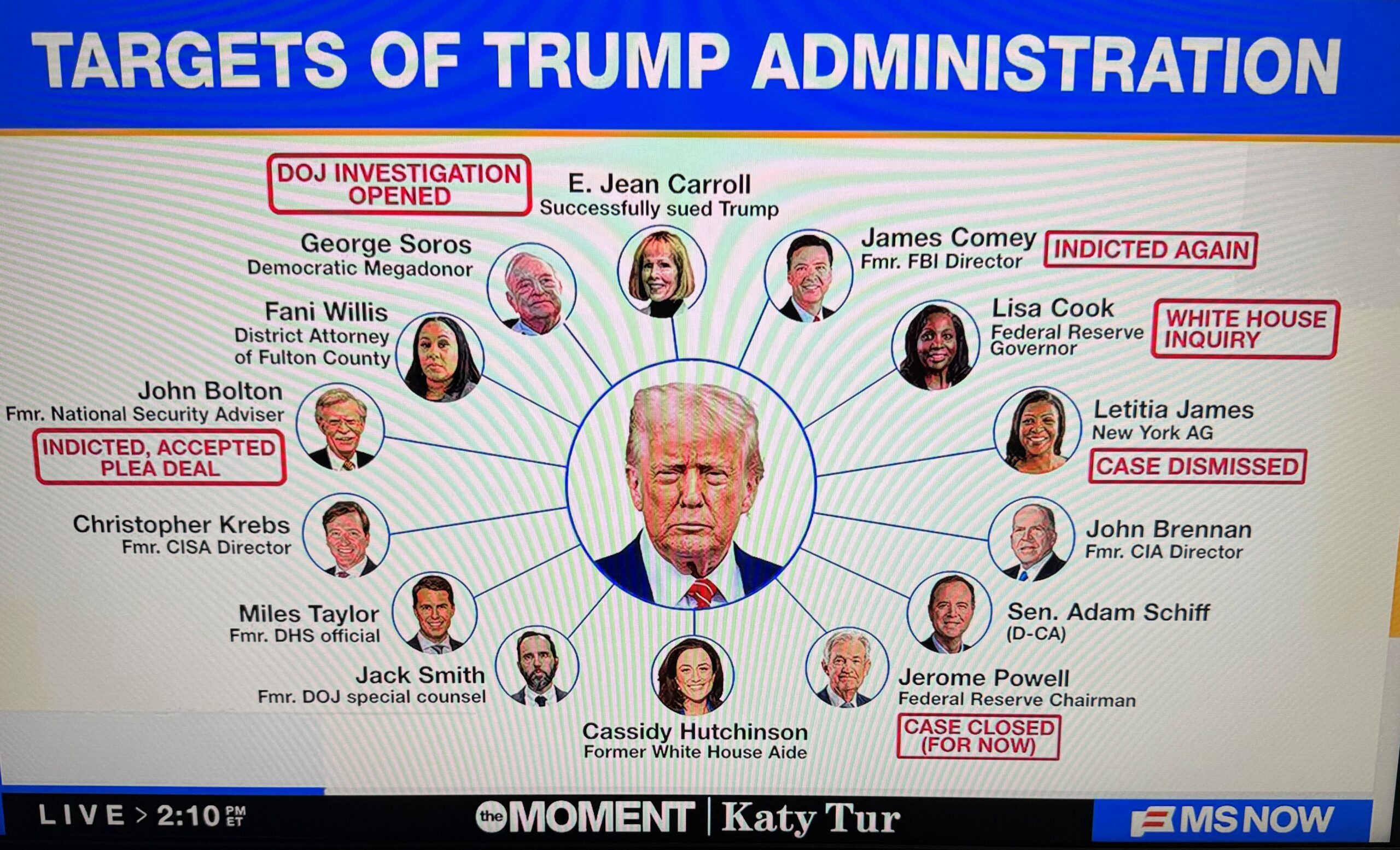
All The President’s Targets
October 13, 2026
Integrity Doesn’t Require a Megaphone
October 12, 2026

WHOSE PURPOSE DOES THIS SERVE?
October 9, 2026
Choreographer of Disaster
October 5, 2026
I Am Not a Politician, and I Have No Partisan Loyalties
October 2, 2026
A Man of Incorruptible Integrity
September 29, 2026

HUMAN VALUES: NOT SPECIFIED
September 23, 2026
You Can’t Do That.
September 21, 2026
Read More Articles
The Latest... And Sometimes Greatest
I AM SICKENED
Tonight, protesters are surrounding the Kennedy Center, the living memorial to John F. Kennedy and the heartbeat of Washington’s cultural life. They are there because...
September 18, 2026
The Courage to Defend a Principle
In 1998, at the height of the Clinton-Lewinsky scandal, Secret Service Director Lewis Merletti was driving to work when a radio report stopped him cold....
September 17, 2026
The Better Angels Among Us
By all appearances, we are becoming less the land of the brave than the land of resentment. Every day is Groundhog Day: same arguments, same...
September 14, 2026
We Remember
On September 11, 2001, nearly 3,000 people were killed in terrorist attacks in New York, at the Pentagon, and aboard Flight 93 in Pennsylvania. More...
September 11, 2026
Mister Roberts!
One of my favorite movies is Mister Roberts, the 1955 comedy-drama set aboard the USS Reluctant in the Pacific during World War II. Henry Fonda...
September 8, 2026
Where’s the Character
In 1984, Wendy’s ran a television commercial featuring the redoubtable Clara Peller, staring at an enormous hamburger bun. Inside was a burger patty smaller than...
August 7, 2026