Published: March 19, 2026
By Jim Lichtman
There’s a moment in every uncertain time when loyalty stops sounding like a virtue and starts sounding like a test.
Not the healthy kind of loyalty: steadfastness to community, shared purpose, and a set of obligations we freely accept. I mean the kind that demands a simple answer to a complicated question:
Are you with us, or against us? The kind that treats conscience and doubt as disloyalty.
Watching Ken Burns’ The American Revolution reminded me how old this temptation is. The Revolution did not unfold as a neat pageant of unanimous conviction and courage. It tore through towns and families. It forced ordinary people to decide what they believed and feared. One neighbor calling another “traitor” before breakfast and “friend” by sundown, depending on which army was camped on the road that day.
The first ethical lesson is simple: in a genuine crisis, certainty has a kind of force. It calms panic, gives people a handrail, and can move a nation that’s frightened and uncertain.
The second lesson: loyalty can cease to be a virtue and become a moral cover, harmful actions are justified or excused in the name of loyalty to a leader, party, or cause.
In revolutionary America, loyalty wasn’t a belief; it was a test. Fail it, and you risked your property, your standing, even your safety. When the stakes rise that high, the pattern is familiar. Dissent is confused with treason. Obedience is renamed patriotism. And soon, the loudest loyalty is rewarded, while conscience… what we stand for, is punished.
But the Revolution also gives us a clear counterexample: men and women who refused to let “loyalty” become an excuse for surrendering their integrity.
Integrity is not loud. It rarely wins the first round of applause. It looks like restraint. It looks like refusing to say what would be easiest.
In Burns’ documentary, you can feel how difficult it was to live inside that kind of pressure. When allegiance is demanded, the natural impulse is to choose a side and stay silent about what troubles us. Speak up, and you risk being cast out. This is where the ethical distinction matters.
There is a loyalty that binds a republic together. Loyalty to the rule of law and loyalty to the principle that no person is above accountability. Loyalty to tribe, or personality, diminishes a republic.
The founders argued fiercely. They suspected one another. They feared corruption and power because they understood something we keep re-learning: power does not announce itself as power. It announces itself as necessity. It announces itself as loyalty.
When someone asks you for loyalty, ask, quietly but firmly, loyalty to what? To a principle that can withstand scrutiny, or to a demand that forbids it?
If you want a republic that lasts, make room for the citizen who says, “I’m committed to our common life… and that’s exactly why I won’t pretend, and won’t flatter what I don’t believe.”
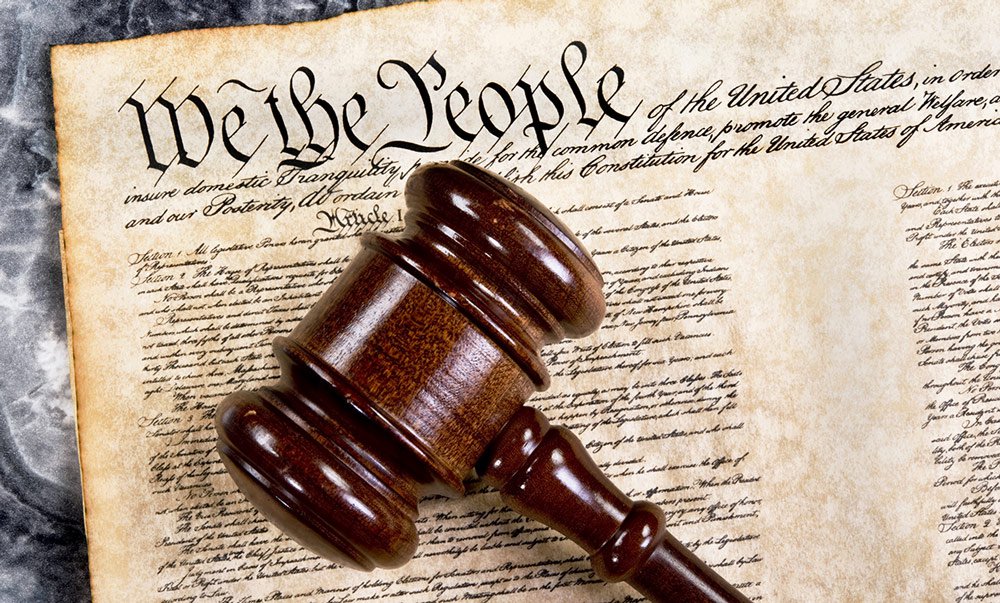
That person is not disloyal. That person is practicing the most demanding form of loyalty we have: loyalty to conscience in service of the country—We the people.
Comments

Recent Commentaries
All The President’s Targets
October 13, 2026
Integrity Doesn’t Require a Megaphone
October 12, 2026
WHOSE PURPOSE DOES THIS SERVE?
October 9, 2026

Choreographer of Disaster
October 5, 2026
I Am Not a Politician, and I Have No Partisan Loyalties
October 2, 2026
A Man of Incorruptible Integrity
September 29, 2026

HUMAN VALUES: NOT SPECIFIED
September 23, 2026
You Can’t Do That.
September 21, 2026
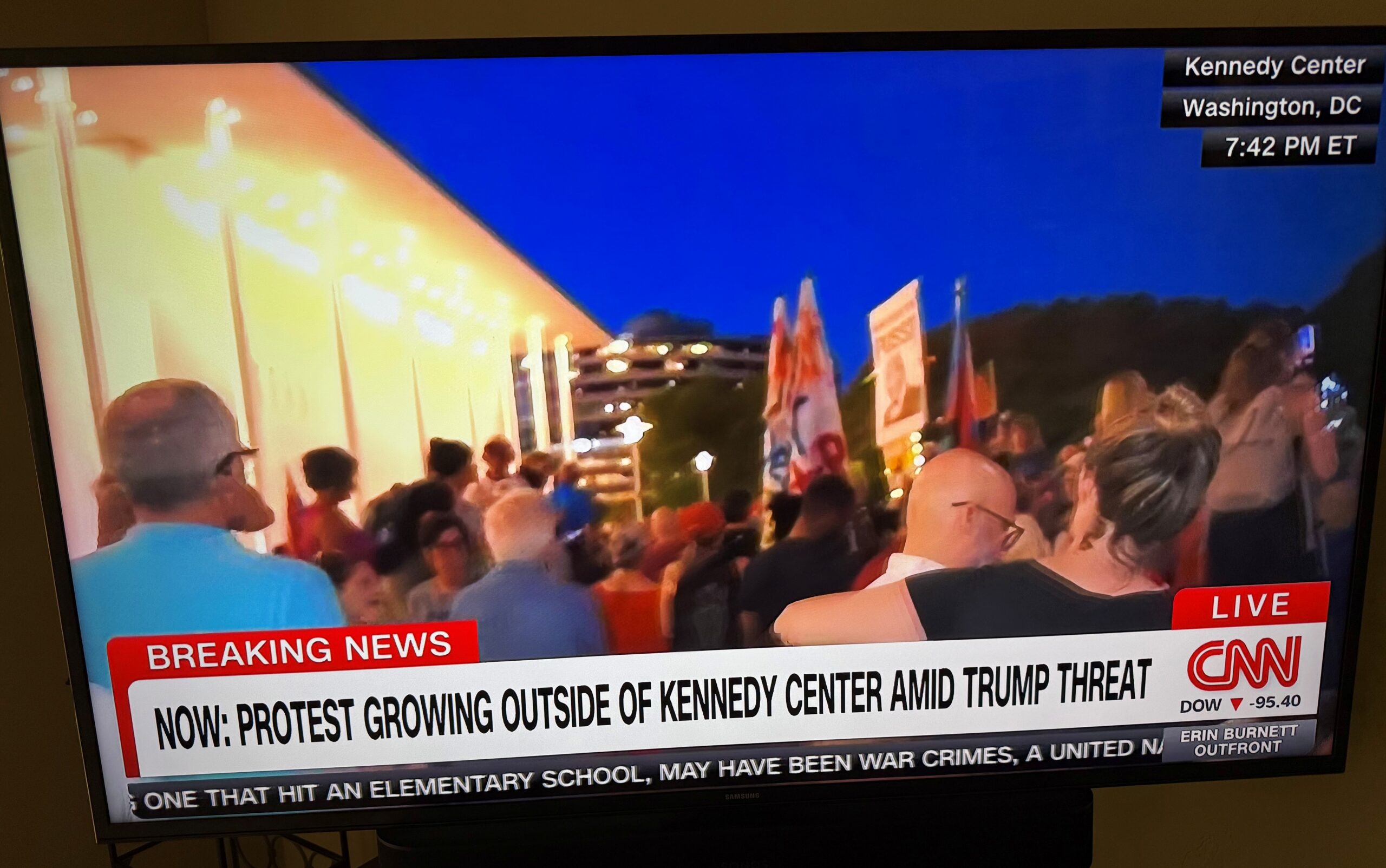
I AM SICKENED
September 18, 2026
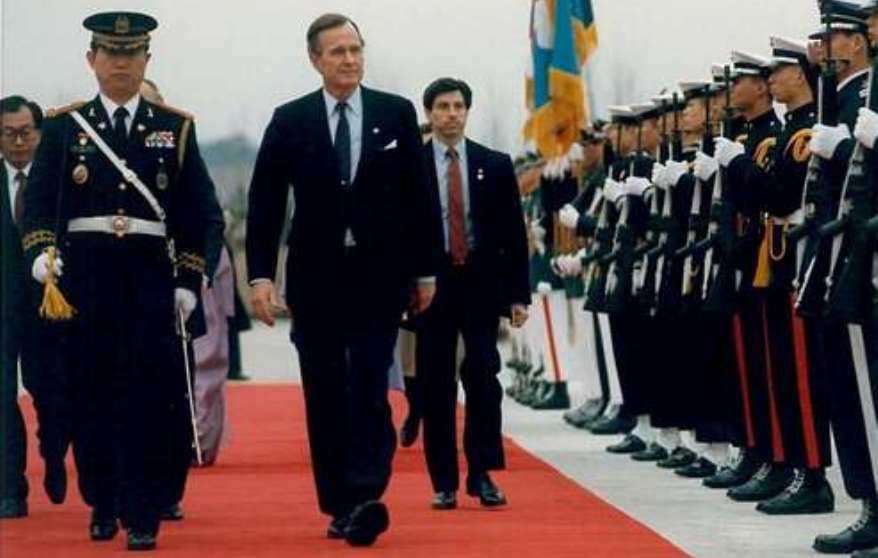
The Courage to Defend a Principle
September 17, 2026
Read More Articles
The Latest... And Sometimes Greatest
The Better Angels Among Us
By all appearances, we are becoming less the land of the brave than the land of resentment. Every day is Groundhog Day: same arguments, same...
September 14, 2026
We Remember
On September 11, 2001, nearly 3,000 people were killed in terrorist attacks in New York, at the Pentagon, and aboard Flight 93 in Pennsylvania. More...
September 11, 2026
Mister Roberts!
One of my favorite movies is Mister Roberts, the 1955 comedy-drama set aboard the USS Reluctant in the Pacific during World War II. Henry Fonda...
September 8, 2026
Where’s the Character
In 1984, Wendy’s ran a television commercial featuring the redoubtable Clara Peller, staring at an enormous hamburger bun. Inside was a burger patty smaller than...
August 7, 2026
It Was Important Then. It is Important Today
Freedom of speech in America is under attack, not only when people are denied the right to speak, but when lies, intimidation and the deliberate...
August 3, 2026
When Political Identity Replaces Ethical Judgment
The political and cultural landscape has become a minefield of conflicting beliefs, many now rooted less in public policy than in personal identity. One of...
July 31, 2026