Published: September 12, 2009
By Jim Lichtman
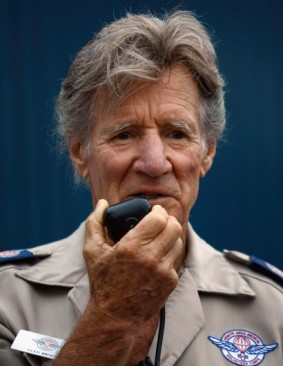 While everyone agrees that health care needs reform, agreement on exactly how remains to be seen.
Stan Brock isn’t waiting for change. His group provides health care for those that need it most.
“If you’ve got a mouth full of bad teeth and you can’t see to function, to get a job, for you it is a disaster,” Brock said.
Since 1992, Brock’s Remote Area Medical Foundation has staged 346 clinics in twelve states across the country, primarily in rural counties.
“People ask me, ‘What are you doing in Los Angeles? That’s not very remote,’” Brock said. “For people that simply can’t afford health care in this country, the opportunity to get it is remote.”
Charzetta Williams said, “It’s a jungle in downtown Los Angeles. We need it here, too.”
One sixteen-year-old said, “Because if this wasn’t here, we would not be able to go to the doctor for who knows how long.”
According to an ABC News report, “Brock, 73, founded the Tennessee-based Remote Area Medical in 1985 to assist the underserved in developing countries. In the course of its history, the foundation has treated 380,000 patients and provided care valued at $37 million, Brock said.
“Brock still travels across borders but his primary mission has changed. ‘I was very surprised, actually, that we ended up doing this in the United States,’ he said. ‘And now 64 percent of all the work we do is right here.’”
“At one time, Brock could have been one of the thousands waiting on line,” ABC said. ‘I’ve been one of these people,’ he said. ‘I’ve been homeless. I’ve been without money and without health care and so, knowing that, and knowing the obstacles that they face really is the impetus.’”
Stan Brock isn’t interested in insurance premiums or co-pays. It’s about caring for others.
“What is great is to see someone that’s been in the dental chair get thousands of dollars of free dental care, or been through the eye doctor’s clinic and got a brand new pair of glasses and now they can see to get a job or read the newspaper,” he said. “And they go up to the doctor or hug the dentist. Go up to the volunteers and give them a hug or shake their hand and say, ‘Thanks for coming.’”
Comments

Recent Commentaries

November 4, 2026
October 20, 2026

Has America Lost Its Way?
October 16, 2026
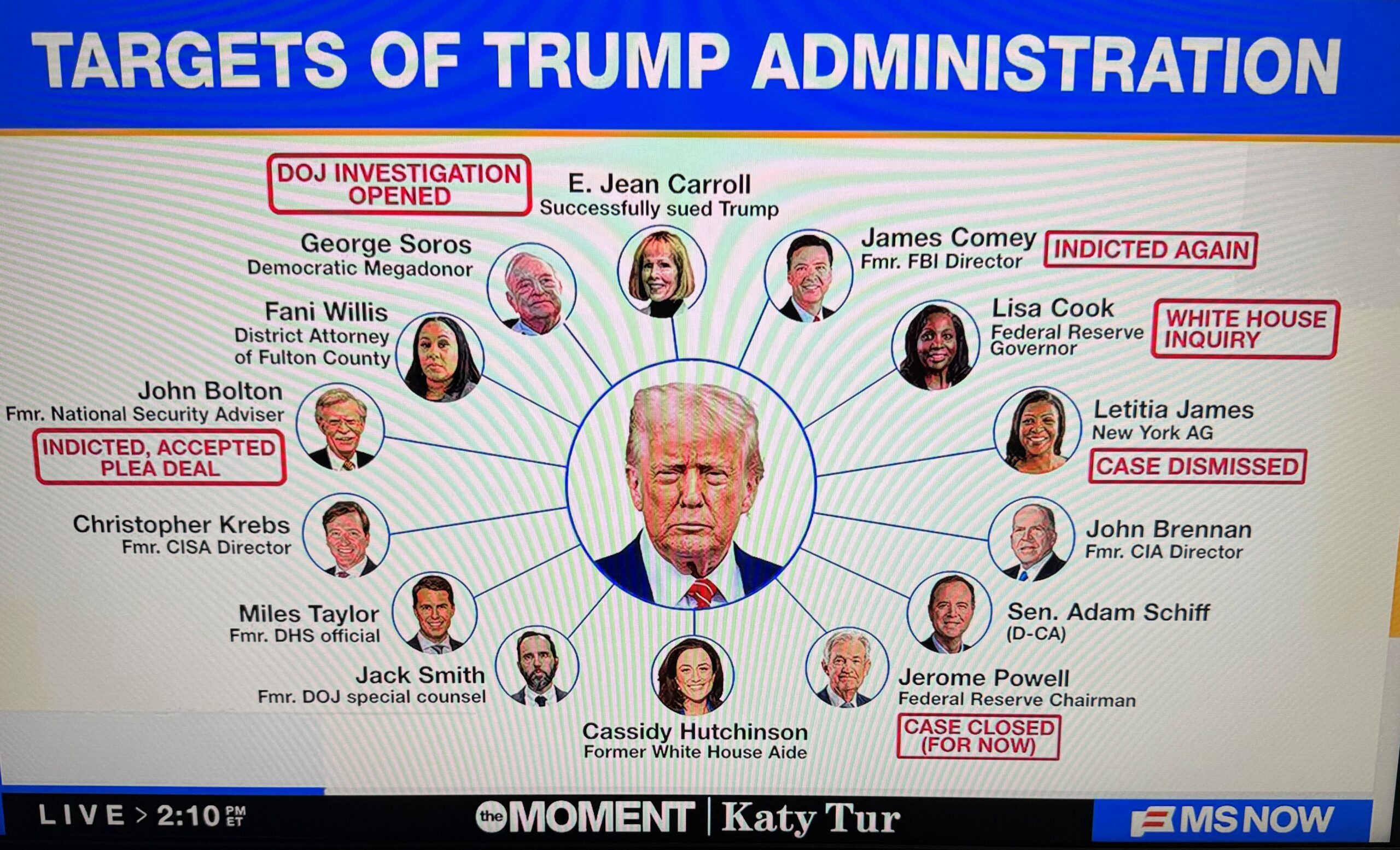
All The President’s Targets
October 13, 2026
Integrity Doesn’t Require a Megaphone
October 12, 2026
WHOSE PURPOSE DOES THIS SERVE?
October 9, 2026

Choreographer of Disaster
October 5, 2026
I Am Not a Politician, and I Have No Partisan Loyalties
October 2, 2026
A Man of Incorruptible Integrity
September 29, 2026

HUMAN VALUES: NOT SPECIFIED
September 23, 2026

You Can’t Do That.
September 21, 2026
Read More Articles
The Latest... And Sometimes Greatest
I AM SICKENED
Tonight, protesters are surrounding the Kennedy Center, the living memorial to John F. Kennedy and the heartbeat of Washington’s cultural life. They are there because...
September 18, 2026
The Courage to Defend a Principle
In 1998, at the height of the Clinton-Lewinsky scandal, Secret Service Director Lewis Merletti was driving to work when a radio report stopped him cold....
September 17, 2026
The Better Angels Among Us
By all appearances, we are becoming less the land of the brave than the land of resentment. Every day is Groundhog Day: same arguments, same...
September 14, 2026
We Remember
On September 11, 2001, nearly 3,000 people were killed in terrorist attacks in New York, at the Pentagon, and aboard Flight 93 in Pennsylvania. More...
September 11, 2026
Mister Roberts!
One of my favorite movies is Mister Roberts, the 1955 comedy-drama set aboard the USS Reluctant in the Pacific during World War II. Henry Fonda...
September 8, 2026
Where’s the Character
In 1984, Wendy’s ran a television commercial featuring the redoubtable Clara Peller, staring at an enormous hamburger bun. Inside was a burger patty smaller than...
August 7, 2026