Published: August 4, 2025
By Jim Lichtman
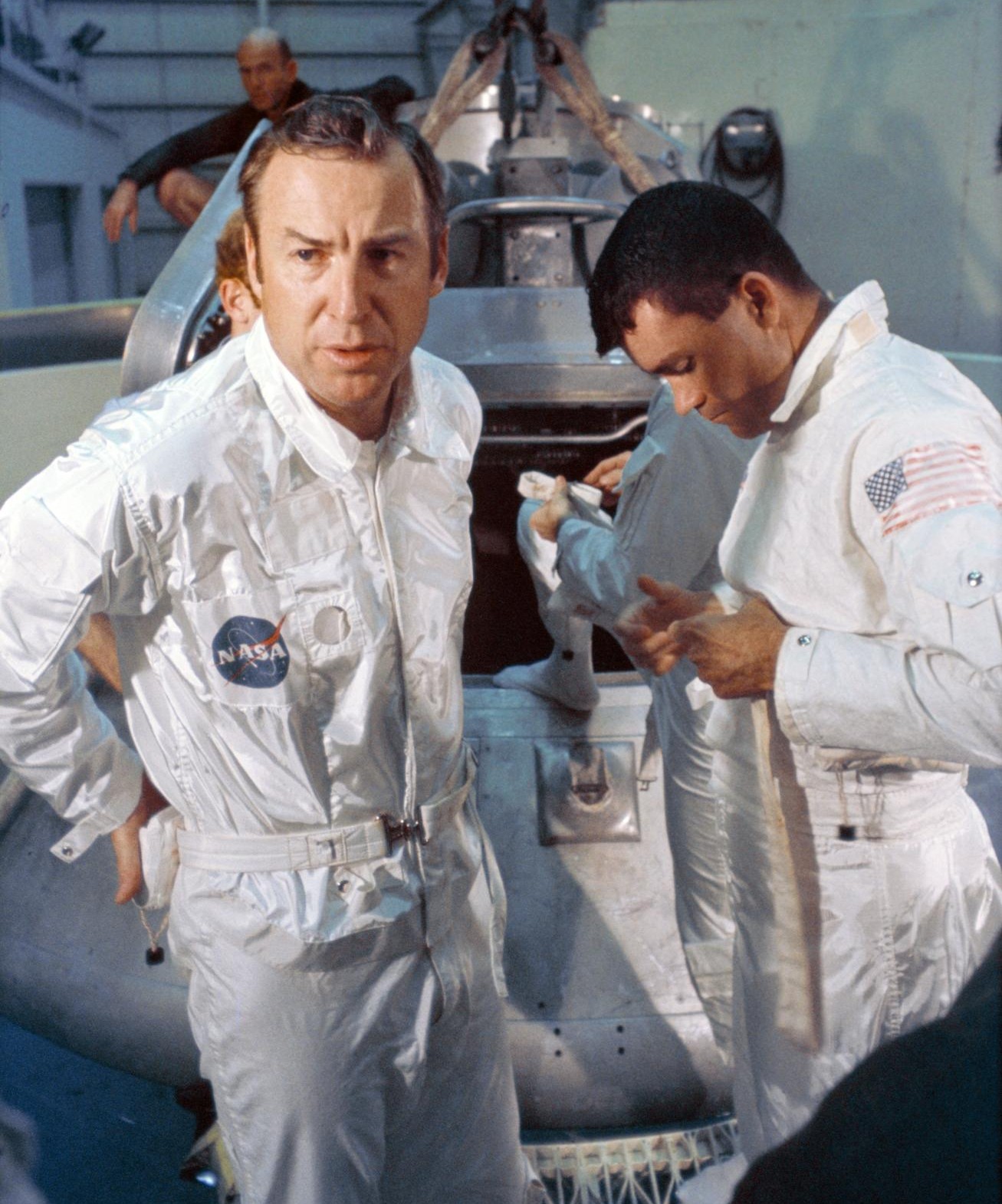
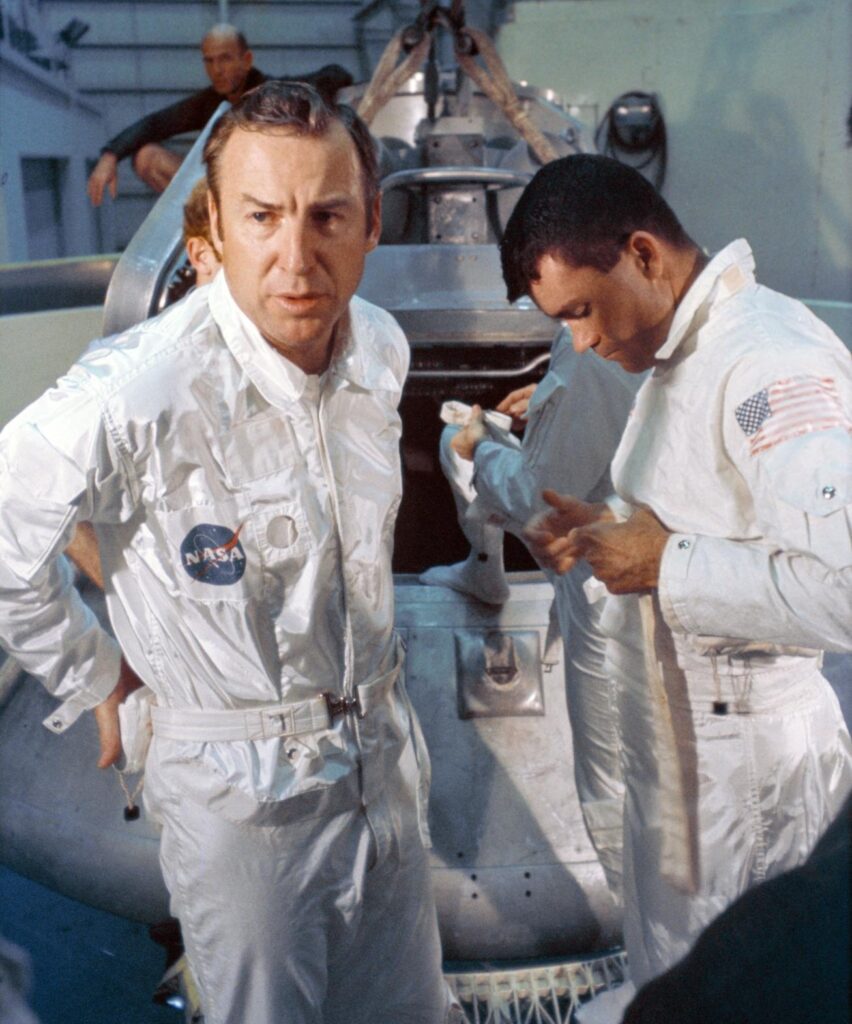
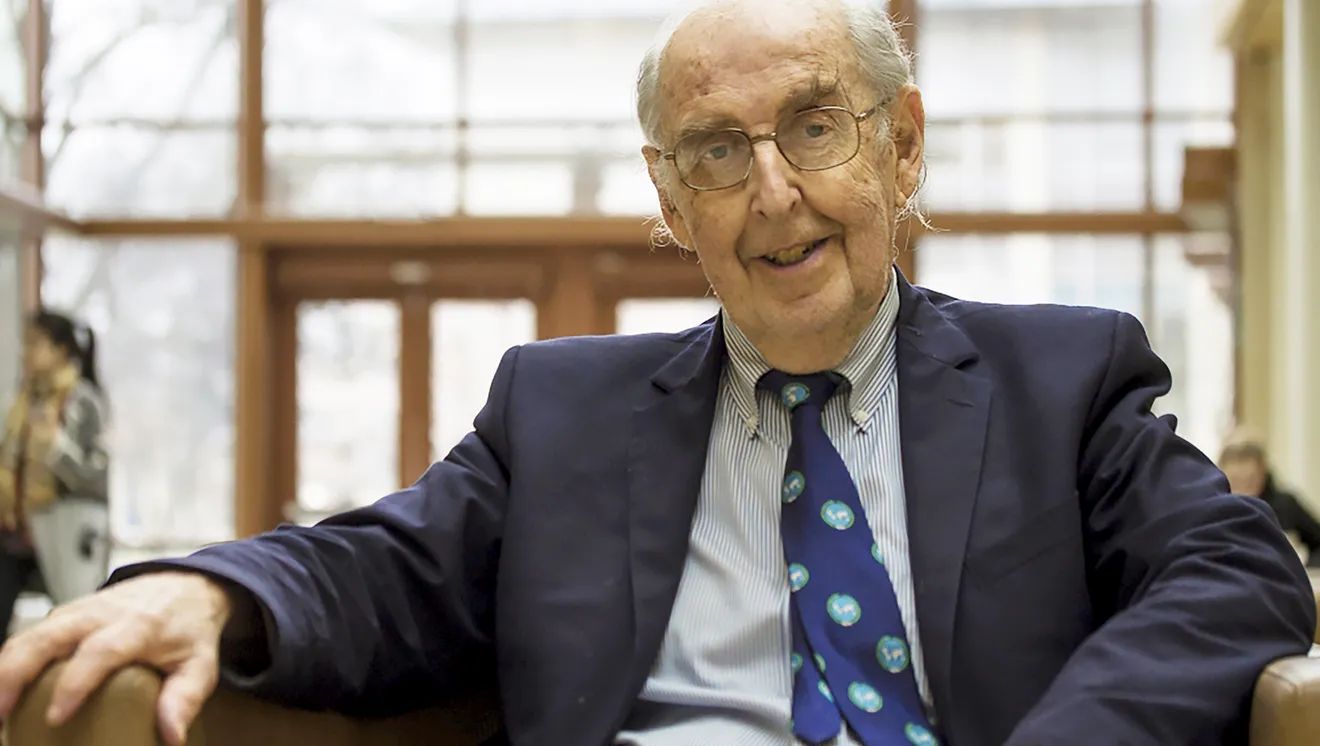
Mission Commander Jim Lovell on the left.
An explosion aboard Apollo 13 instantly transformed a routine mission into a fight for survival. With oxygen leaking into space and power systems failing, three astronauts were stranded more than 200,000 miles from Earth.
At the center of that crisis stood mission commander Jim Lovell.
There was no time for blame and no room for ego.
Lovell focused on one thing: bringing his crew home alive.
He kept his voice calm, his decisions clear, and his attention fixed on the task in front of him. He worked closely with mission control, trusted the experts around him, and never lost sight of the bigger picture: the lives of the men under his command.
That’s leadership—not the kind that seeks credit or clings to a microphone, but the kind that shows up when everything goes wrong.
Leadership means owning responsibility. It means listening more than talking, thinking more than reacting, and staying grounded in reality no matter how bad the situation gets.
Lovell didn’t give speeches. He didn’t divide the crew into camps or tell them what they wanted to hear. He gave them the truth. He showed them that fear doesn’t need to paralyze—it can sharpen your focus. In moments when panic could’ve taken over, he modeled composure. That gave others the permission to stay calm, too.
Today, we live in a culture saturated with noise—performances passed off as leadership, outrage mistaken for strength, slogans offered in place of substance. We’ve come to expect too little and tolerate too much from leaders who deflect, distract, and deny, so long as they “fight.” But real leadership isn’t about theatrics or tribal loyalty. It’s about rising to the moment—especially when the moment is unforgiving.
Jim Lovell didn’t have time for self-preservation. He had a crisis to manage and lives to save.
He did it with discipline, humility, and an unshakable sense of duty.
In space, there are no shortcuts, no scapegoats, and no second chances. When something goes wrong, you work the problem. You own the outcome. You adapt, improvise, and move forward. And you don’t get to choose the facts—you deal with them as they are.
Not every leader will face the vacuum of space. But every leader faces moments where their choices carry real consequences—where calm, competence, and character can make the difference between failure and survival.
In one of the most perilous moments of the mission, after powering down nearly everything in the command module to conserve energy, the astronauts were left in near darkness and freezing cold. Lovell later said, “We never panicked. We never gave up hope.” That quiet resolve didn’t come from wishful thinking—it came from leadership.
Apollo 13 was later called a “successful failure.” It didn’t land on the moon, but it brought three astronauts home safely. It succeeded because of the strength of the team—and the strength of the man leading it.
In his book, Lost Moon, Lovell writes, “There are people who make things happen, there are people who watch things happen, and there are people who wonder what happened.”
Commander Jim Lovell chose to make things happen.
That kind of leadership doesn’t always make headlines. But it’s what we need now more than ever.
Leadership grounded in ethics, not ego. Leadership that sees beyond the next news cycle. Leadership that accepts responsibility rather than shifting it.
Leadership isn’t a performance, and yet we keep applauding those who act the part. It’s time we look beyond the spotlight—and honor the ones doing the real work.
Lovell didn’t need applause. He needed results. And in the silence of space, results were the only thing that mattered.
Comments


Recent Commentaries
Same Price. Same War. Different Truth
March 25, 2026

Who Writes This Stuff: Jim or A.I.?
March 23, 2026

Loyalty vs. Conscience
March 19, 2026

When Will This Madness End!?
March 18, 2026

When Government Threatens the Truth
March 16, 2026

Separating Fact from Rhetoric
March 12, 2026

Lindsay Vonn’s Gold Medal Moment
March 12, 2026

Teaching an Algorithm Right from Wrong
March 9, 2026
Now, More Than Ever
March 6, 2026
Peace Is Not an Elective
March 2, 2026
Read More Articles
The Latest... And Sometimes Greatest
Revelations
In 1927, Sinclair Lewis gave America a character it did not want to recognize in the mirror: Elmer Gantry. Gantry is loud, magnetic, insatiable —...
February 26, 2026
The Story of Chips, and The Cost of Looking Away
It’s just a photograph: a wartime dog sitting alert, ears up, wearing a military harness. But the story about a World War II sentry dog...
February 23, 2026
It’s Time to Talk About Respect
A cancer has been growing in our national life, so embedded in our culture that we’ve stopped acknowledging it. In the 1940s and the decades...
February 18, 2026
Adversity and Perseverance
“How you climb a mountain is more important than reaching the top.”— Yvon Chouinard “Every new adjustment is a crisis in self-esteem”—Eric Hoffer “Retreat, Hell!...
February 16, 2026
Who Decides What’s Seen?
There are moments when a single arrest tells us more about the state of the country than a thousand speeches. The recent detention of Don...
February 12, 2026
The Death of Shame
Over the past several months, I’ve written commentaries revisiting moments in our history when individuals confronted serious challenges and rose to meet them — to...
February 9, 2026