Published: August 4, 2025
By Jim Lichtman
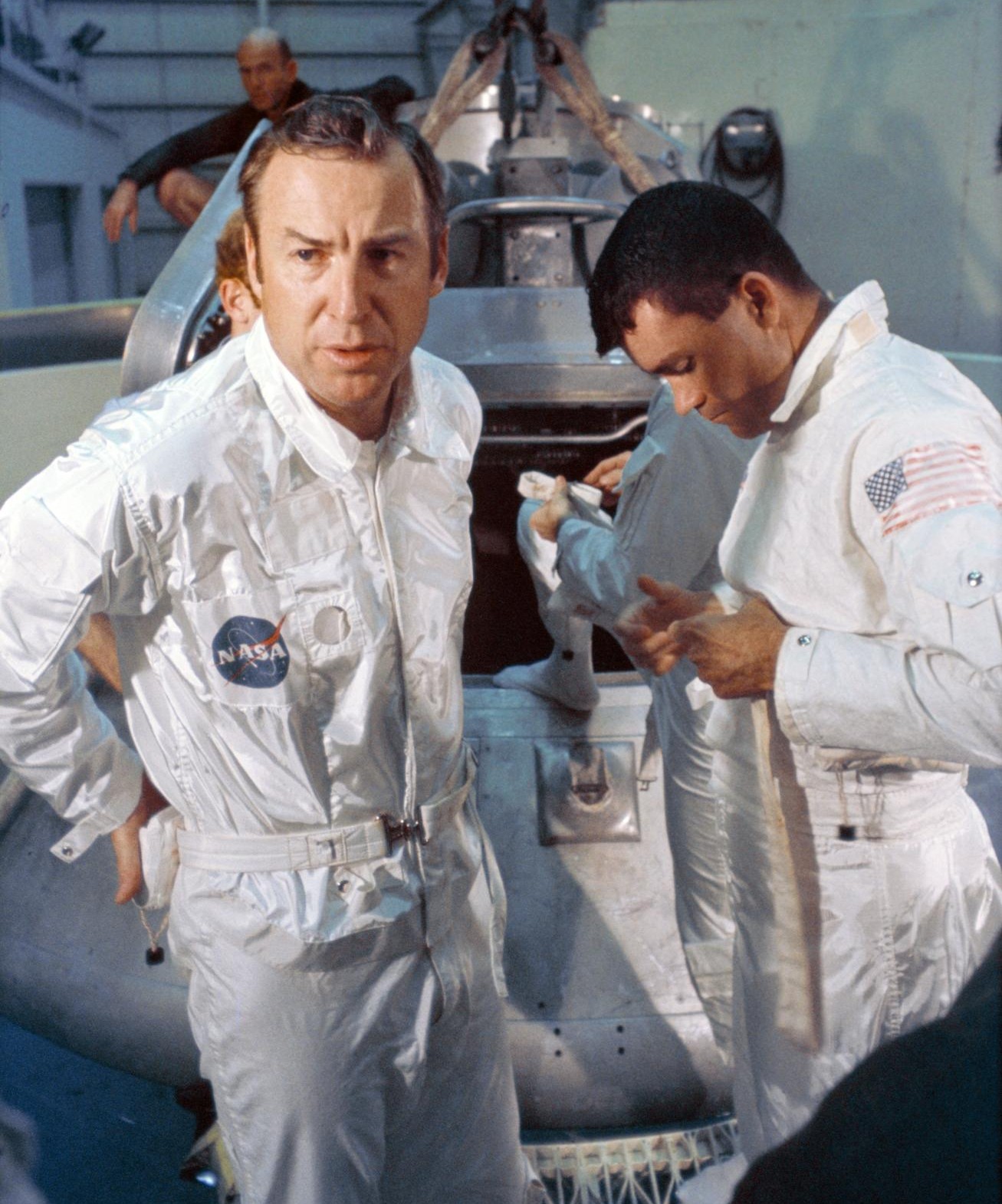
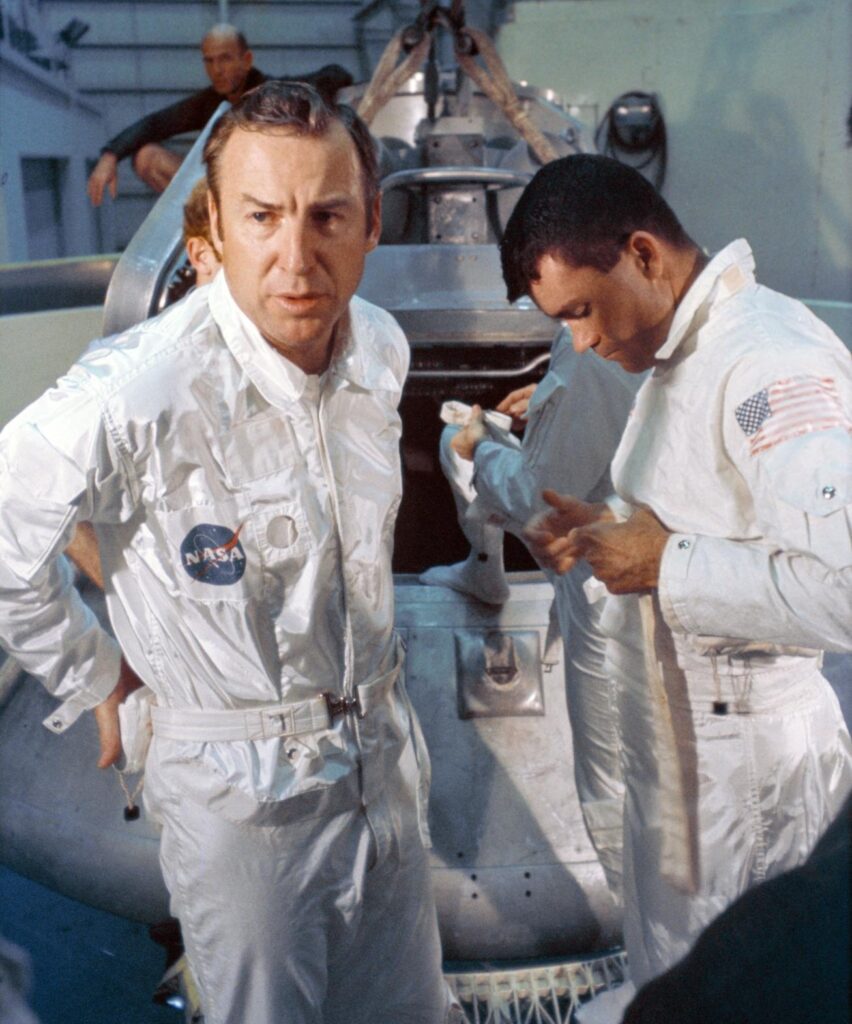
Mission Commander Jim Lovell on the left.
An explosion aboard Apollo 13 instantly transformed a routine mission into a fight for survival. With oxygen leaking into space and power systems failing, three astronauts were stranded more than 200,000 miles from Earth.
At the center of that crisis stood mission commander Jim Lovell.
There was no time for blame and no room for ego.
Lovell focused on one thing: bringing his crew home alive.
He kept his voice calm, his decisions clear, and his attention fixed on the task in front of him. He worked closely with mission control, trusted the experts around him, and never lost sight of the bigger picture: the lives of the men under his command.
That’s leadership—not the kind that seeks credit or clings to a microphone, but the kind that shows up when everything goes wrong.
Leadership means owning responsibility. It means listening more than talking, thinking more than reacting, and staying grounded in reality no matter how bad the situation gets.
Lovell didn’t give speeches. He didn’t divide the crew into camps or tell them what they wanted to hear. He gave them the truth. He showed them that fear doesn’t need to paralyze—it can sharpen your focus. In moments when panic could’ve taken over, he modeled composure. That gave others the permission to stay calm, too.
Today, we live in a culture saturated with noise—performances passed off as leadership, outrage mistaken for strength, slogans offered in place of substance. We’ve come to expect too little and tolerate too much from leaders who deflect, distract, and deny, so long as they “fight.” But real leadership isn’t about theatrics or tribal loyalty. It’s about rising to the moment—especially when the moment is unforgiving.
Jim Lovell didn’t have time for self-preservation. He had a crisis to manage and lives to save.
He did it with discipline, humility, and an unshakable sense of duty.
In space, there are no shortcuts, no scapegoats, and no second chances. When something goes wrong, you work the problem. You own the outcome. You adapt, improvise, and move forward. And you don’t get to choose the facts—you deal with them as they are.
Not every leader will face the vacuum of space. But every leader faces moments where their choices carry real consequences—where calm, competence, and character can make the difference between failure and survival.
In one of the most perilous moments of the mission, after powering down nearly everything in the command module to conserve energy, the astronauts were left in near darkness and freezing cold. Lovell later said, “We never panicked. We never gave up hope.” That quiet resolve didn’t come from wishful thinking—it came from leadership.
Apollo 13 was later called a “successful failure.” It didn’t land on the moon, but it brought three astronauts home safely. It succeeded because of the strength of the team—and the strength of the man leading it.
In his book, Lost Moon, Lovell writes, “There are people who make things happen, there are people who watch things happen, and there are people who wonder what happened.”
Commander Jim Lovell chose to make things happen.
That kind of leadership doesn’t always make headlines. But it’s what we need now more than ever.
Leadership grounded in ethics, not ego. Leadership that sees beyond the next news cycle. Leadership that accepts responsibility rather than shifting it.
Leadership isn’t a performance, and yet we keep applauding those who act the part. It’s time we look beyond the spotlight—and honor the ones doing the real work.
Lovell didn’t need applause. He needed results. And in the silence of space, results were the only thing that mattered.
Comments
Recent Commentaries

Has America Lost Its Way?
October 16, 2026
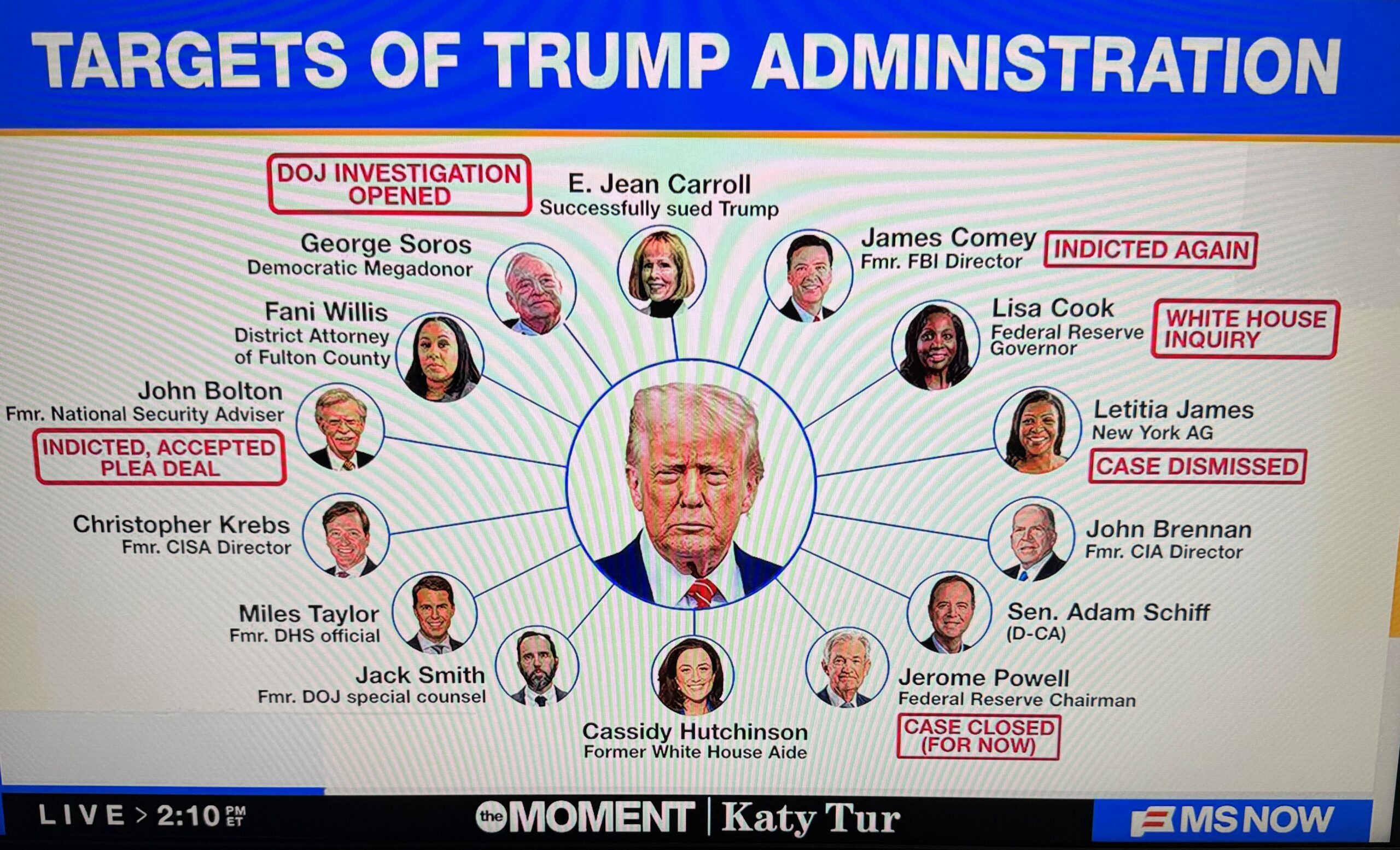
All The President’s Targets
October 13, 2026
Integrity Doesn’t Require a Megaphone
October 12, 2026
WHOSE PURPOSE DOES THIS SERVE?
October 9, 2026

Choreographer of Disaster
October 5, 2026
I Am Not a Politician, and I Have No Partisan Loyalties
October 2, 2026
A Man of Incorruptible Integrity
September 29, 2026

HUMAN VALUES: NOT SPECIFIED
September 23, 2026
You Can’t Do That.
September 21, 2026
I AM SICKENED
September 18, 2026
Read More Articles
The Latest... And Sometimes Greatest
The Courage to Defend a Principle
In 1998, at the height of the Clinton-Lewinsky scandal, Secret Service Director Lewis Merletti was driving to work when a radio report stopped him cold....
September 17, 2026
The Better Angels Among Us
By all appearances, we are becoming less the land of the brave than the land of resentment. Every day is Groundhog Day: same arguments, same...
September 14, 2026
We Remember
On September 11, 2001, nearly 3,000 people were killed in terrorist attacks in New York, at the Pentagon, and aboard Flight 93 in Pennsylvania. More...
September 11, 2026
Mister Roberts!
One of my favorite movies is Mister Roberts, the 1955 comedy-drama set aboard the USS Reluctant in the Pacific during World War II. Henry Fonda...
September 8, 2026
Where’s the Character
In 1984, Wendy’s ran a television commercial featuring the redoubtable Clara Peller, staring at an enormous hamburger bun. Inside was a burger patty smaller than...
August 7, 2026
It Was Important Then. It is Important Today
Freedom of speech in America is under attack, not only when people are denied the right to speak, but when lies, intimidation and the deliberate...
August 3, 2026