Published: July 10, 2017
By Jim Lichtman
“Those who cannot remember the past are condemned to repeat it.” – George Santayana
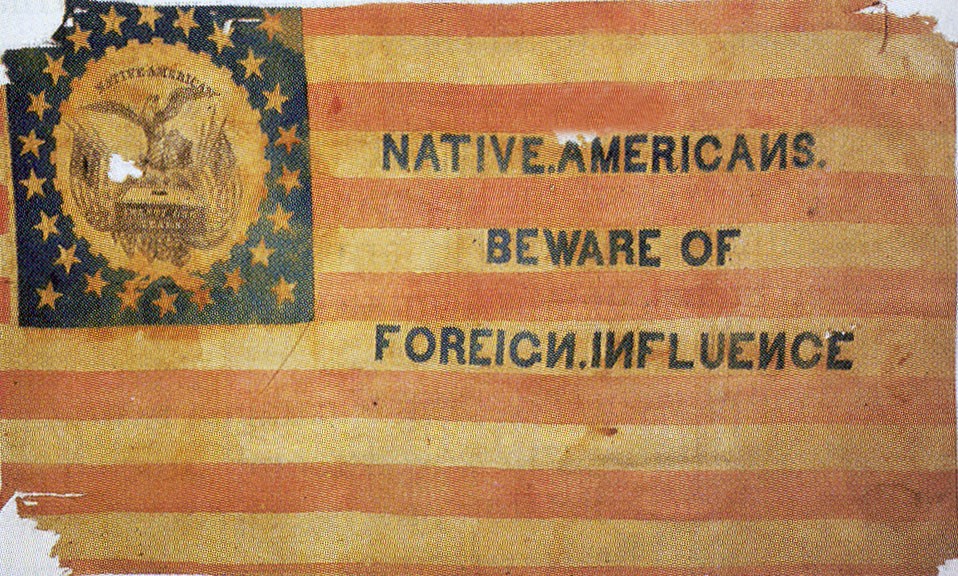
Recently, I received an e-mail from a reader to a 2016 commentary (Fact-Checking a Reader) I wrote regarding candidate-Trump’s original statement calling for a “total and complete shutdown” of all Muslims entering the United States.
“I think if Trump would have left out the word Muslim,” this reader begins (July 2, 2017), “your argument would hold even less water. Referencing ‘Snopes’ [a fact-checking site] to reinforce your personal view point makes you sound like a libtard [liberal-retard] professor at a liberal college.
“You can try to insulate the Muslims from the backlashing they brought on themselves, and influence American citizens, but we are sick of these bastards ruining everything on the planet. So, as we conservatives see it, you are dead wrong on this issue. You cite nothing but spoken words and hear-say to support your Muslim terrorist friends. …
“Please open your eyes and accept the Muslims for who they really are by looking at their record over the last 600 years. They cannot be trusted, ever. So, stop your ignorance, stop defending their invasion, and their lying tactics. You sound like a lying Muslim.”
Historically, the first thing that comes to mind was the oppression faced by thousands of Chinese immigrants to the Western U.S. in the late 1900s. Working under hostile conditions, these early migrants were responsible for constructing much of the Transcontinental Railroad. Despite their many contributions, Hearst-owned newspapers, frequently referenced the Chinese immigrants as the “yellow peril.”
However, something more subversive began 50 years earlier.
Beginning in 1845, hundreds of thousands of Irish working-class migrants came to the U.S. to escape the potato famine which was ravaging Ireland.
At the time, the U.S. population was heavily Protestant. The Irish were Catholic, and the American Protestants regarded the Roman Catholic Church and the pope as a direct threat to democracy.
Due to the centuries of hate that had built up between Catholic and Protestant, backlash was inevitable. In 1854, after several Catholic churches and convents were looted by Protestant mobs, a political opposition party was formed against the Irish.
The Know-Nothing Party* – an underground group of anti-Catholics – acquired its name from the response members gave when asked about the secret meetings they held (“I know nothing”). Also called, “nativists,” they believed that foreign-born Americans should not be permitted to hold any governmental position. For approximately 12 years, the party’s platform promised to limit future immigration from Catholic countries, and make it more difficult for immigrants to obtain citizenship. They also proposed that all public schools teach Protestantism.
At the end of the Civil War, with an influx of Catholic immigrants from Poland, Italy and Germany, religious pressures lessened. Nonetheless, prejudice against the Irish would remain for decades in the U.S.
Comments
Leave a Comment

Recent Commentaries
November 4, 2026
October 20, 2026
Has America Lost Its Way?
October 16, 2026
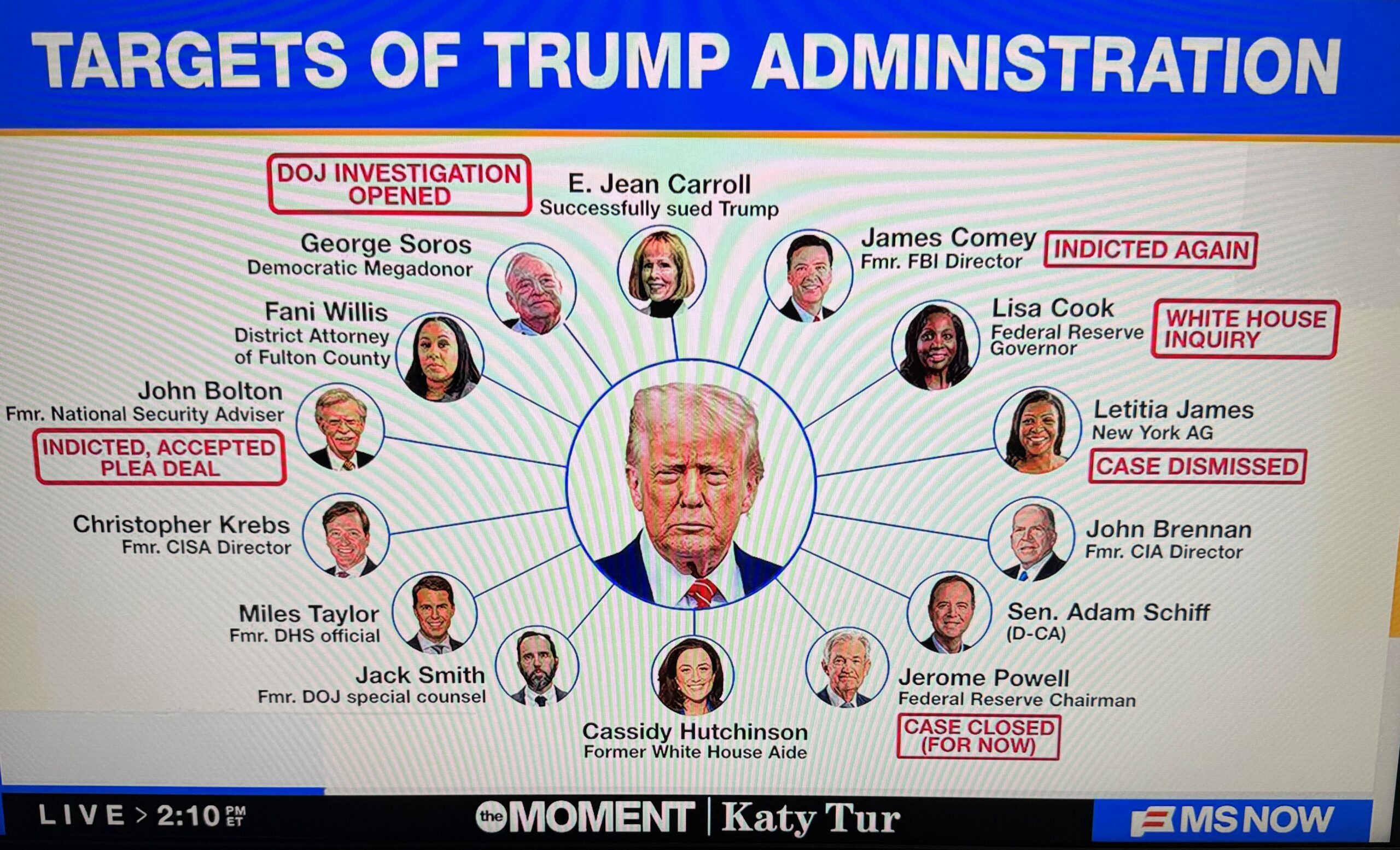
All The President’s Targets
October 13, 2026
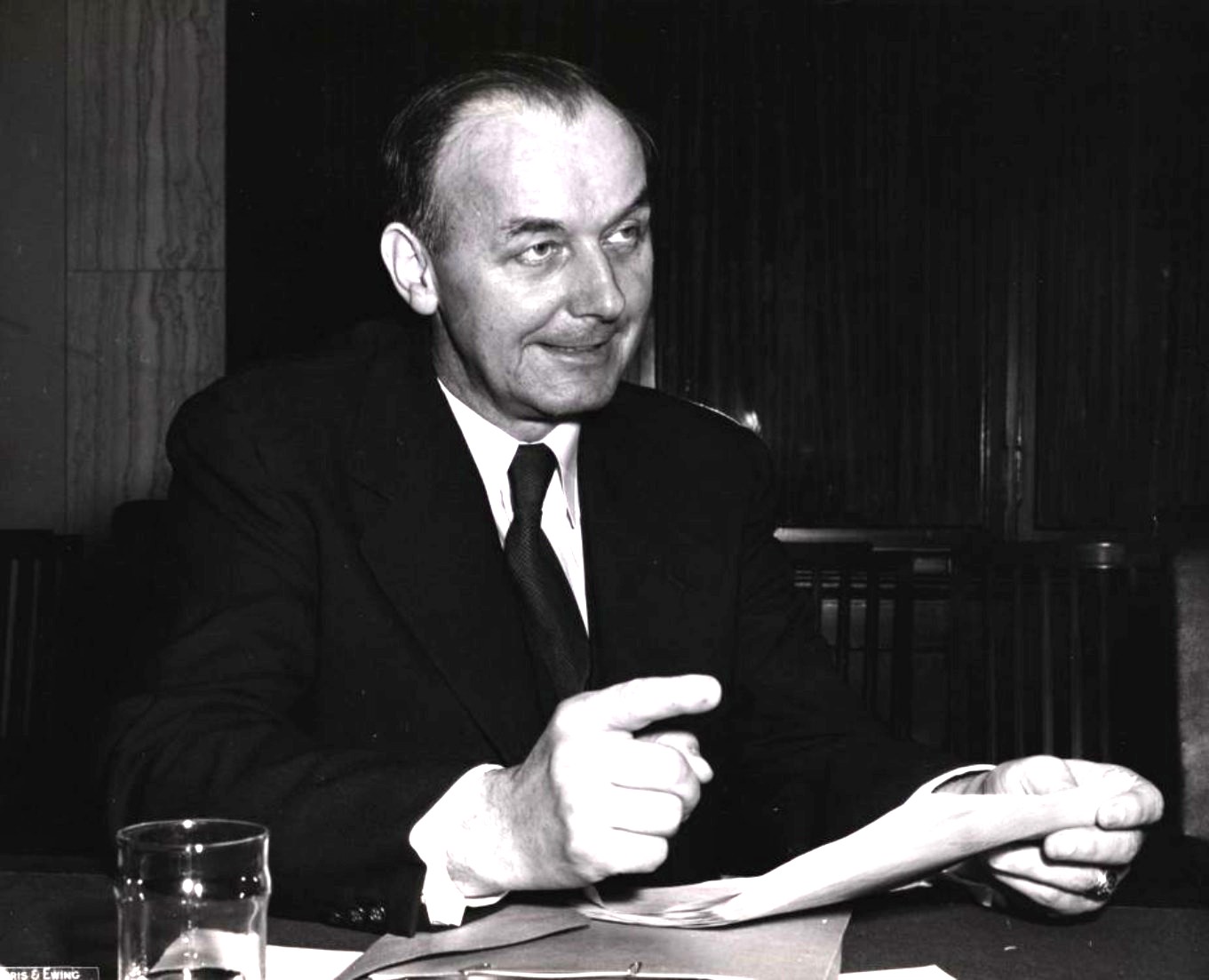
Integrity Doesn’t Require a Megaphone
October 12, 2026

WHOSE PURPOSE DOES THIS SERVE?
October 9, 2026

Choreographer of Disaster
October 5, 2026
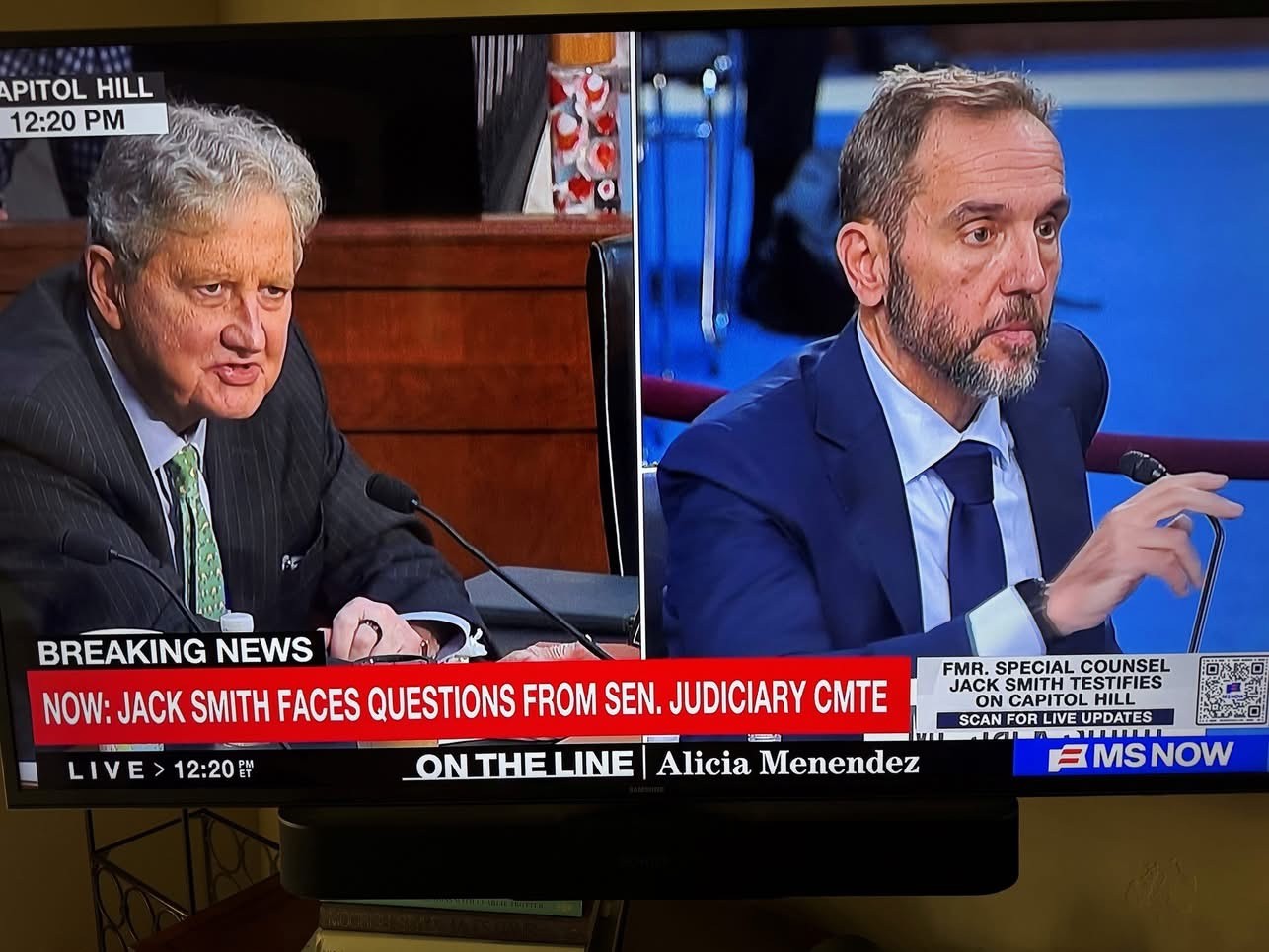
I Am Not a Politician, and I Have No Partisan Loyalties
October 2, 2026
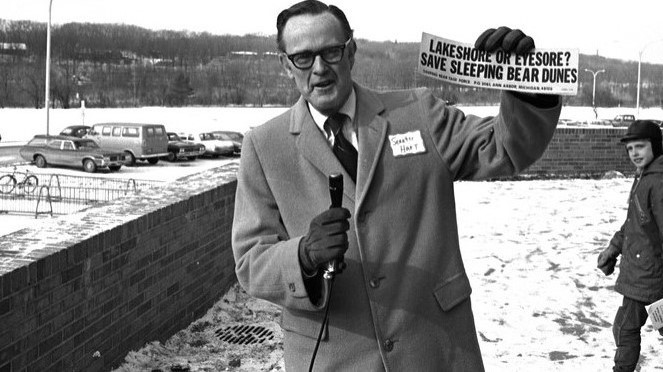
A Man of Incorruptible Integrity
September 29, 2026

HUMAN VALUES: NOT SPECIFIED
September 23, 2026
You Can’t Do That.
September 21, 2026
Read More Articles
The Latest... And Sometimes Greatest
I AM SICKENED
Tonight, protesters are surrounding the Kennedy Center, the living memorial to John F. Kennedy and the heartbeat of Washington’s cultural life. They are there because...
September 18, 2026
The Courage to Defend a Principle
In 1998, at the height of the Clinton-Lewinsky scandal, Secret Service Director Lewis Merletti was driving to work when a radio report stopped him cold....
September 17, 2026
The Better Angels Among Us
By all appearances, we are becoming less the land of the brave than the land of resentment. Every day is Groundhog Day: same arguments, same...
September 14, 2026
We Remember
On September 11, 2001, nearly 3,000 people were killed in terrorist attacks in New York, at the Pentagon, and aboard Flight 93 in Pennsylvania. More...
September 11, 2026
Mister Roberts!
One of my favorite movies is Mister Roberts, the 1955 comedy-drama set aboard the USS Reluctant in the Pacific during World War II. Henry Fonda...
September 8, 2026
Where’s the Character
In 1984, Wendy’s ran a television commercial featuring the redoubtable Clara Peller, staring at an enormous hamburger bun. Inside was a burger patty smaller than...
August 7, 2026
Reviewing history and the FACTS always help.