Published: October 24, 2024
By Jim Lichtman
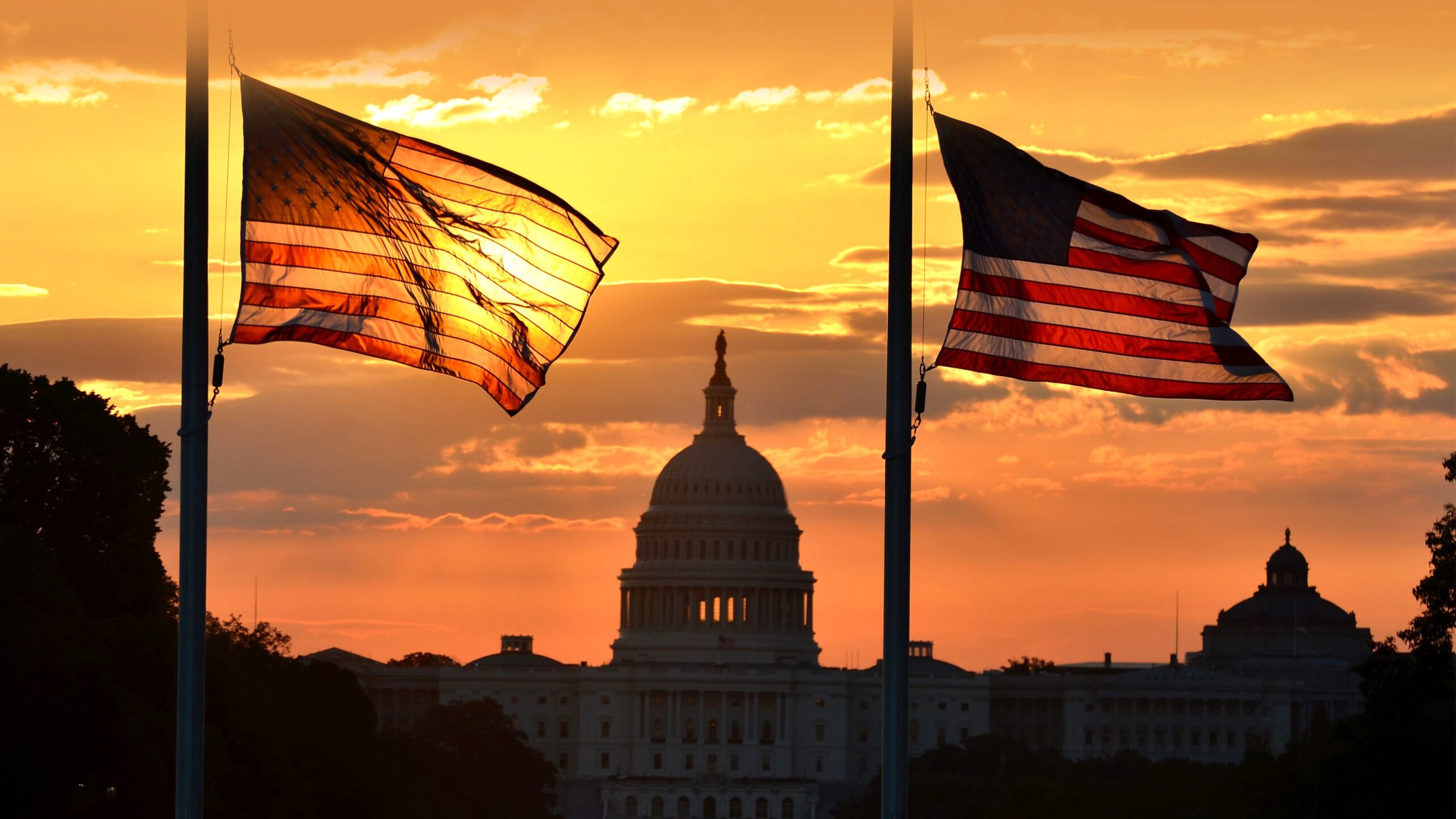

We live in a time of profound political divisions, more so than ever before.
Fear, frustration, and anger dominate the national conversation from Trump rallies to pundit panels. Many of his supporters’ emotions come from real concerns about jobs, security, and social changes. These are significant issues deserving significant attention.
In this moment of crisis, however, what concerns me most is when Donald Trump finally leaves the stage, will Trumpism leave with him?
Whatever the outcome, today, as we navigate the noise and chaos, it’s critical that we focus on what unites us as Americans.
At the heart of this challenge is trust—trust in each other, in the people around us, and in our ability to listen without judgment. Many Trump supporters feel dismissed or ridiculed by the media, the government, family members, neighbors, and others. It’s no surprise that distrust has poisoned our relationships. But if we’re going to heal these divisions, we need to rebuild trust—not through shouting matches or blame, but by showing respect and a willingness to understand.
The first step in rebuilding trust is listening—really listening. This means hearing the concerns of others without assuming we know better. Dismissing someone’s fears as irrational only deepens the divide. Just like the rest of us, Trump supporters want what’s best for their families, communities, and country. We all share that common ground, even if we see different paths forward.
How can we move out of our trenches and re-engage? How can we elevate the conversation? By shifting from conflict to cooperation. As John F. Kennedy said, “Let us not seek the Republican or Democratic answer, but the right answer. Let us not seek to fix the blame for the past. Let us accept our own responsibility for the future.“
That’s the thinking we need now.
The challenges we face—whether the economy, healthcare, or national security—are American problems. We won’t solve them by attacking each other. No one group has all the answers. The most effective solutions come from compromise and recognizing that we are stronger together.
The most significant progress we’ve made has come when people from different sides of the aisle come together to tackle significant issues. Civil rights, Social Security—these weren’t achieved through conflict alone but through cooperation for the common good.
This isn’t about pretending we don’t have differences. It’s about deciding what kind of country we want to live in. As Ronald Reagan reminded us, “If we ever forget that we are One Nation Under God, then we will be a nation gone under.“ That sense of unity is critical if we want to create a future where everyone has a fair shot.
A compassionate, inclusive society isn’t an idealistic dream. It’s a practical necessity. It’s what we need to create a future where everyone can thrive. While we might have different ideas about how to move forward, we all want the same things: safety, opportunity, and dignity for ourselves and our families.
In this moment, amid disinformation and tribal politics, rebuilding trust, coming together as one, and recognizing our shared humanity may feel like a steep hill to climb. But let’s try anyway.
Listening to others without judgment is challenging, but let’s try anyway.
It’s tough to stop viewing each other as enemies and start recognizing that we are all Americans. But let’s try anyway.
If we can find the courage to open our hearts and minds, to remember who we are and what we stand for, we can reclaim our strength and rise above the fear and division that threaten us.
That’s the future we should strive for.
Comments
Leave a Comment
Recent Commentaries
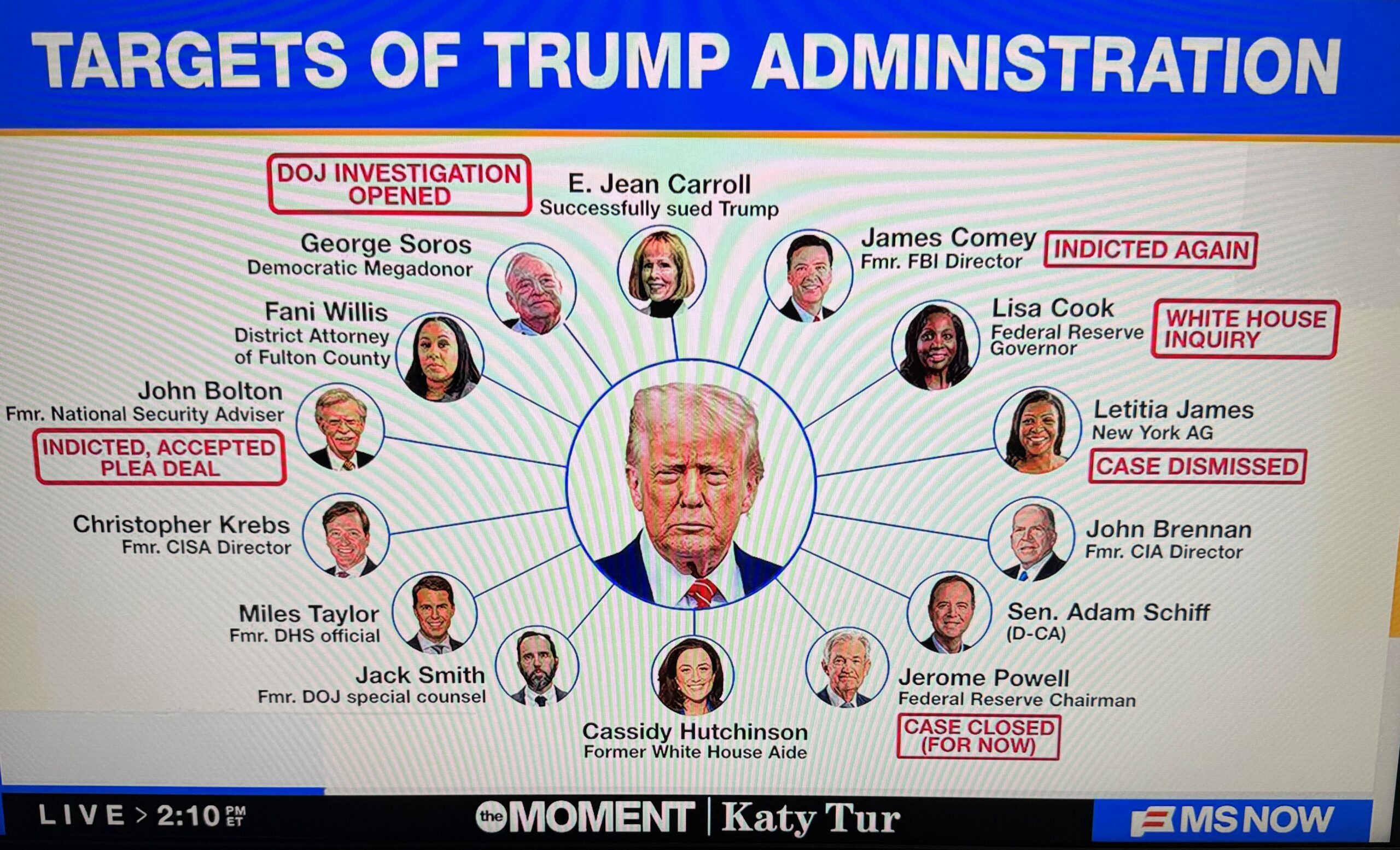
All The President’s Targets
October 13, 2026
Integrity Doesn’t Require a Megaphone
October 12, 2026
WHOSE PURPOSE DOES THIS SERVE?
October 9, 2026

Choreographer of Disaster
October 5, 2026
I Am Not a Politician, and I Have No Partisan Loyalties
October 2, 2026
A Man of Incorruptible Integrity
September 29, 2026

HUMAN VALUES: NOT SPECIFIED
September 23, 2026
You Can’t Do That.
September 21, 2026
I AM SICKENED
September 18, 2026
The Courage to Defend a Principle
September 17, 2026
Read More Articles
The Latest... And Sometimes Greatest
The Better Angels Among Us
By all appearances, we are becoming less the land of the brave than the land of resentment. Every day is Groundhog Day: same arguments, same...
September 14, 2026
We Remember
On September 11, 2001, nearly 3,000 people were killed in terrorist attacks in New York, at the Pentagon, and aboard Flight 93 in Pennsylvania. More...
September 11, 2026
Mister Roberts!
One of my favorite movies is Mister Roberts, the 1955 comedy-drama set aboard the USS Reluctant in the Pacific during World War II. Henry Fonda...
September 8, 2026
Where’s the Character
In 1984, Wendy’s ran a television commercial featuring the redoubtable Clara Peller, staring at an enormous hamburger bun. Inside was a burger patty smaller than...
August 7, 2026
It Was Important Then. It is Important Today
Freedom of speech in America is under attack, not only when people are denied the right to speak, but when lies, intimidation and the deliberate...
August 3, 2026
When Political Identity Replaces Ethical Judgment
The political and cultural landscape has become a minefield of conflicting beliefs, many now rooted less in public policy than in personal identity. One of...
July 31, 2026
“Trust in each other, in the people around us, and in our ability to listen without judgment.” I agree Jim, we are all Americans and should be working together for our future and the future of our families. With so much war going on the world, we really need to be United in these States.