Published: May 19, 2014
By Jim Lichtman
Jeb Stewart Magruder, one of the last key individuals in the scandal known simply as ‘Watergate’ which led to the resignation of President Richard Nixon, died last week.
Magruder eventually confessed his role in the botched break-in of National Democratic Headquarters at the Washington, D.C. hotel in the early 70’s. However, decades later, Magruder added another interesting twist to the mystery when he announced that he personally overheard a conversation in which President Nixon ordered the break-in.
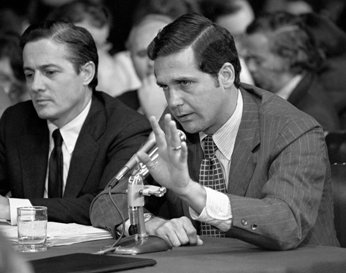
The Washington Post reported (May 16), “Mr. Magruder served seven months in federal prison after admitting that he had helped plan… and helped attempt to cover it up by lying to investigators and perjuring himself in court.”
At the time of his sentencing, Magruder said, “It has been nearly impossible for me to face the disappointment I see in the eyes of my friends, the confusion I see in the eyes of my children, the heartbreak I see in the eyes of my wife and, probably more difficult, the contempt I see in the eyes of others.
“You cannot measure the impact on this administration or on this nation of Watergate,” he added. “But whatever the impact, I am confident that this country will survive its Watergates and its Jeb Magruders.
“Mr. Magruder,” the Post continues, “said that former Attorney General John N. Mitchell approved the Watergate break-in, which Mitchell strenuously denied. Three decades later, in 2003, Mr. Magruder made news by telling interviewers that he was with Mitchell and heard Nixon, over the phone, approve the break-in plan.
“The claim was not universally accepted but was regarded as a bombshell in the long effort to uncover what the president had known and when he had known it. Some historians found it implausible, citing Nixon’s practice of recording conversations, while other observers questioned why Mr. Magruder had waited so long to make the revelation.”
In response to Magruder’s claim, The New York Times cited (May 16), Watergate investigative reporter Carl Bernstein in a 2003 interview on CNN saying, “I find it compelling. I find it more than plausible.”
“To most Americans,” The Times writes, “Mr. Magruder was a little-known White House communications adviser and the deputy director of Nixon’s re-election campaign when, in January 1973, his name came up during the trial of five men accused of burglarizing the Democratic offices. Their intent, prosecutors said, was to bug the phone of Lawrence F. O’Brien Jr., the party chairman.
“Two other White House aides, G. Gordon Liddy and E. Howard Hunt, were also being tried, as conspirators, accused of organizing the break-in.
“Hugh W. Sloan Jr., who had been the campaign treasurer, testified in federal court that Mr. Magruder had told him to disburse $199,000 to Mr. Liddy for ‘intelligence gathering.’
In later testimony, Mr. Magruder denied giving the burglars any assignment concerning the Democratic headquarters. When that was shown to be a lie, he was convicted of perjury and given a 10-month to four-year prison term.”
Magruder became an ordained Presbyterian minister in 1984 and served as church pastor in San Mateo, California; Columbus, Ohio; and Lexington, Kentucky.
When tapped to lead an Ohio commission on ethics and values in 1998 Magruder the one time Watergate figure said, “I’m aware that there might be some irony associated with that, but this is a natural issue for me. I had one of the great ethical dilemmas of all time.”
Given the clearly illegal actions taken, was it really a dilemma, or were Magruder’s actions taken by a man who allowed the power of the presidency to trump principle?
Comments

Recent Commentaries
It Was Important Then. It is Important Today
August 3, 2026
When Political Identity Replaces Ethical Judgment
July 31, 2026

Principles Matter.
July 28, 2026

All the President’s Men 2.0
July 23, 2026
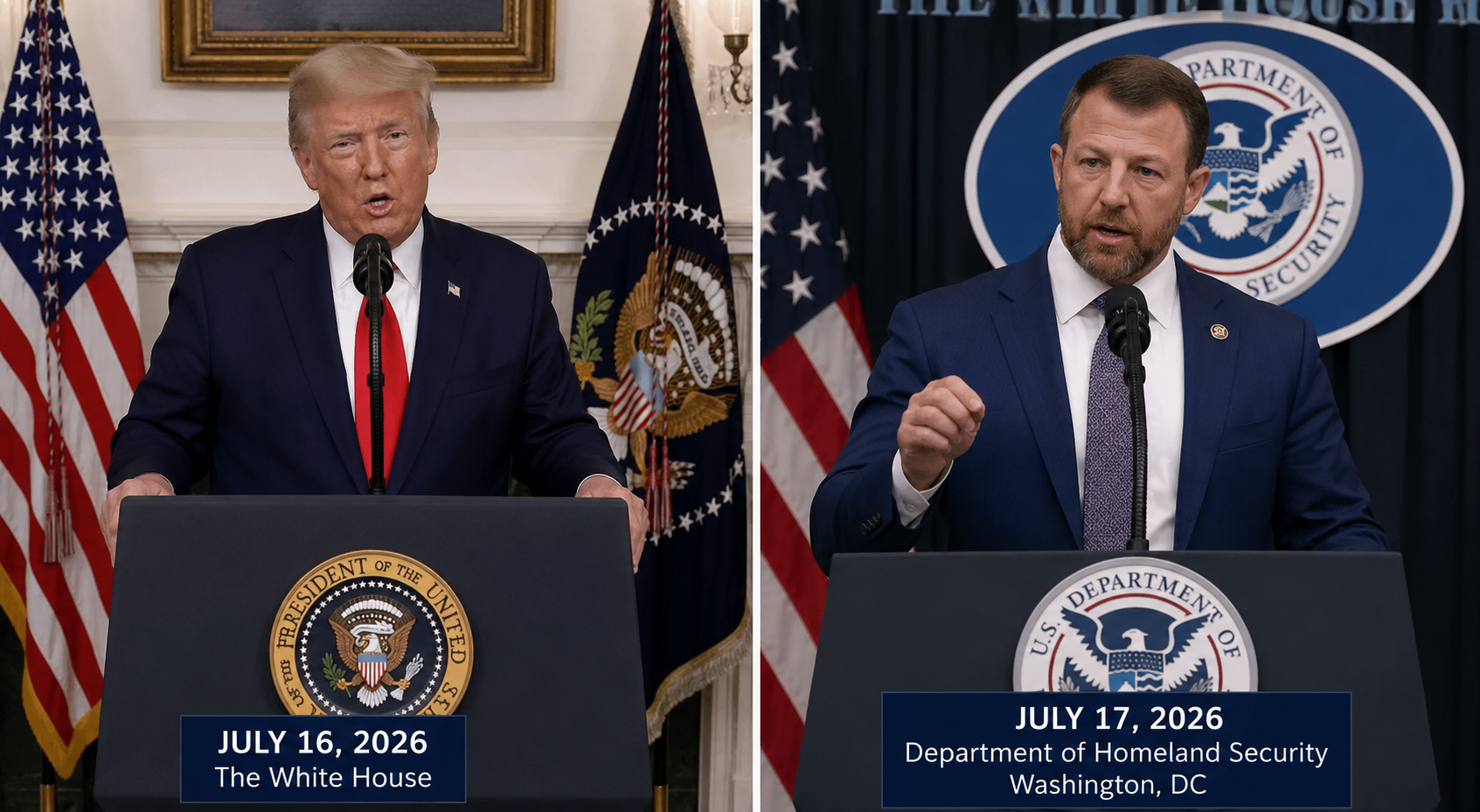
The Threat to November Is Already Here
July 20, 2026
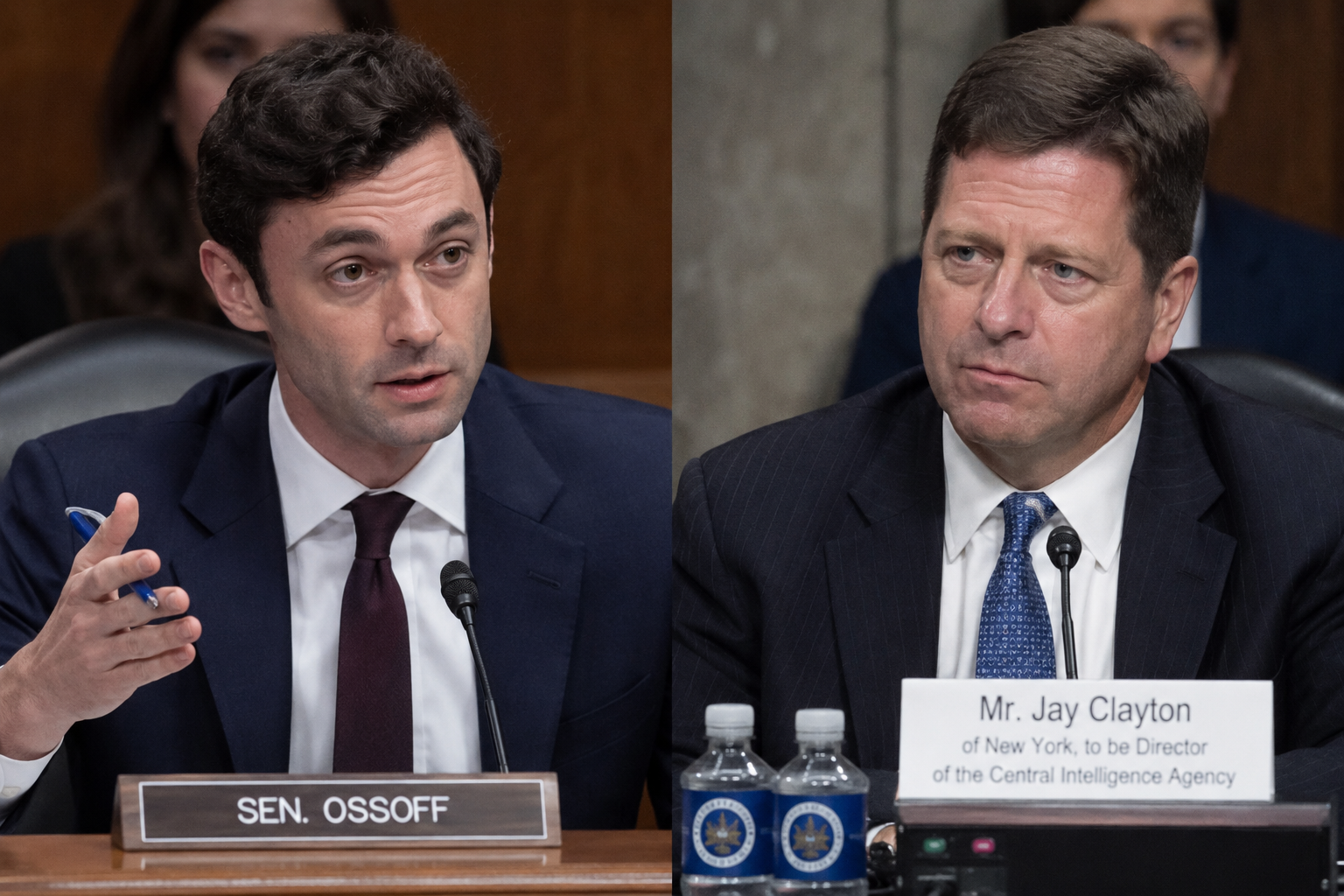
Jon Ossoff and the Conscience of Atticus Finch
July 17, 2026
Hearts and Minds
July 16, 2026

The Ethics of Belonging
July 14, 2026

The Best of Us
July 9, 2026
The Standard Washington Set
July 6, 2026
Read More Articles
The Latest... And Sometimes Greatest
Who We Were. Who We Are…
Today, America is 250 years old. This Fourth of July, amid deep national division, it seems worth asking a simple question: Which of our country’s...
July 4, 2026
Are We Still Worthy of What They Declared?
Conclusion: The Words That Made Us and Still Must. In December of 1776, the Revolution was not moving toward triumph. It was close to collapse....
July 3, 2026
Are We Still Worthy of What They Declared?
Part 2: Common Sense Are we still capable of that kind of clarity when it matters most? There was a moment in the birth of...
July 1, 2026
Are We Still Worthy of What They Declared?
For the most part, my high school history classes consisted of names, dates, documents, and battles. What I’ve learned since then — through historians like...
June 29, 2026
A Cautionary Tale: France Then, Washington Now
Lately, I’ve been reading more history, mostly to educate myself. But the other night, I opened Lord Acton’s Lectures on the French Revolution and didn’t...
June 25, 2026
Different Issues. Same Fear.
As our nation nears its 250th anniversary, an uneasy emotional connection to the past has returned—one rooted in fear, and the question of who gets...
June 22, 2026