Published: February 18, 2026
By Jim Lichtman

Photo by Sue Winston on Unsplash
A cancer has been growing in our national life, so embedded in our culture that we’ve stopped acknowledging it.
In the 1940s and the decades that followed, there were certainly moments of disrespect—some private, some national—but they weren’t worn as badges of honor. Today, they’ve become normalized and set the tone in our national discourse.
Ethics specialist Michael Josephson teaches that civility, courtesy, and decency involve three basic principles:
“Treat others with consideration.
“Conform to accepted notions of taste and propriety in dealing with others.
“And never resort to intimidation, coercion, or violence. Tolerate other people’s beliefs and accept individual differences without prejudice.”
Seems simple. But in today’s political and cultural divide, simple… is not so simple.
Why can’t we see what is plainly before us?
If citizens who feel unheard, sidelined, or treated with contempt are genuinely seeking dignity, how did we arrive at a place where disrespect itself is deployed as a tactic to denigrate, dismiss, hurt, and in some cases, to incite violence against others?
Respect is fundamental, even sacred, to an orderly and cohesive society. It is one of the first lessons many of us were taught growing up. Yet today, it appears on the verge of extinction in the very place where it is needed most. And that very place has become a template for how we speak to one another, disagree with one another, and, too often, how we diminish one another.
When leaders mock, citizens mimic. When humiliation is reframed as strength, something deeper than manners is lost. The norms that once kept disagreement within the bounds of dignity have been lost. Public life becomes less about persuasion and more about performance. Less about truth and more about domination.
A culture that shrugs at contempt will eventually struggle to sustain trust. Without trust, communities weaken and civic life begins to crack. History teaches that democracies rarely collapse in a single dramatic moment. They decline gradually, as standards fall.
If we continue to treat respect as incidental—something quaint, something easily set aside—we will discover too late that it was essential. The warning signs are visible in our language, in our politics, and in our willingness to excuse what we would once have condemned.
The cancer of disrespect is growing. If we fail to confront this, it will continue to grow until what binds us is weaker than what divides us.
Comments


Recent Commentaries

November 4, 2026
October 20, 2026
Has America Lost Its Way?
October 16, 2026
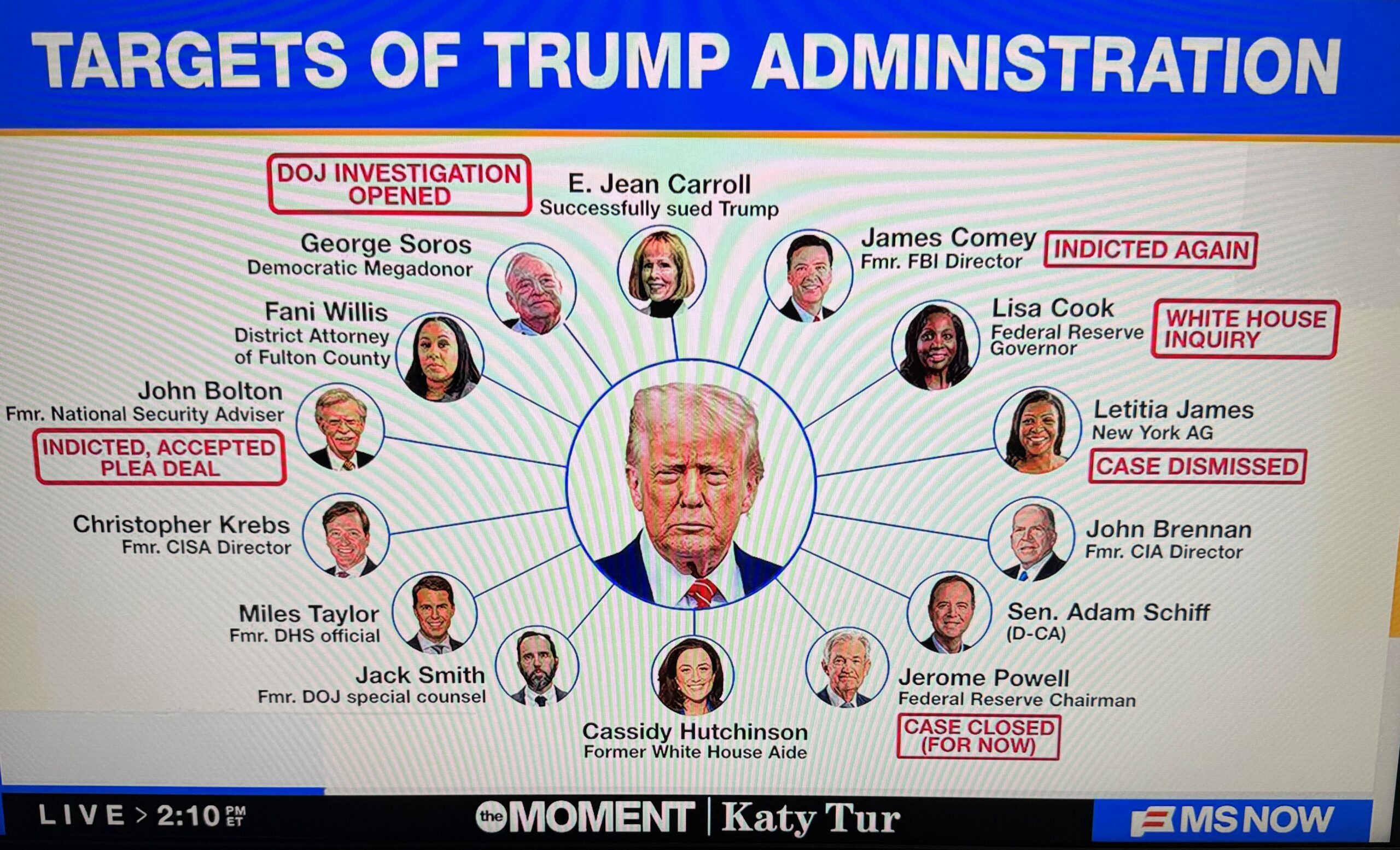
All The President’s Targets
October 13, 2026
Integrity Doesn’t Require a Megaphone
October 12, 2026
WHOSE PURPOSE DOES THIS SERVE?
October 9, 2026

Choreographer of Disaster
October 5, 2026
I Am Not a Politician, and I Have No Partisan Loyalties
October 2, 2026
A Man of Incorruptible Integrity
September 29, 2026

HUMAN VALUES: NOT SPECIFIED
September 23, 2026
You Can’t Do That.
September 21, 2026
Read More Articles
The Latest... And Sometimes Greatest
I AM SICKENED
Tonight, protesters are surrounding the Kennedy Center, the living memorial to John F. Kennedy and the heartbeat of Washington’s cultural life. They are there because...
September 18, 2026
The Courage to Defend a Principle
In 1998, at the height of the Clinton-Lewinsky scandal, Secret Service Director Lewis Merletti was driving to work when a radio report stopped him cold....
September 17, 2026
The Better Angels Among Us
By all appearances, we are becoming less the land of the brave than the land of resentment. Every day is Groundhog Day: same arguments, same...
September 14, 2026
We Remember
On September 11, 2001, nearly 3,000 people were killed in terrorist attacks in New York, at the Pentagon, and aboard Flight 93 in Pennsylvania. More...
September 11, 2026
Mister Roberts!
One of my favorite movies is Mister Roberts, the 1955 comedy-drama set aboard the USS Reluctant in the Pacific during World War II. Henry Fonda...
September 8, 2026
Where’s the Character
In 1984, Wendy’s ran a television commercial featuring the redoubtable Clara Peller, staring at an enormous hamburger bun. Inside was a burger patty smaller than...
August 7, 2026