Published: September 29, 2025
By Jim Lichtman
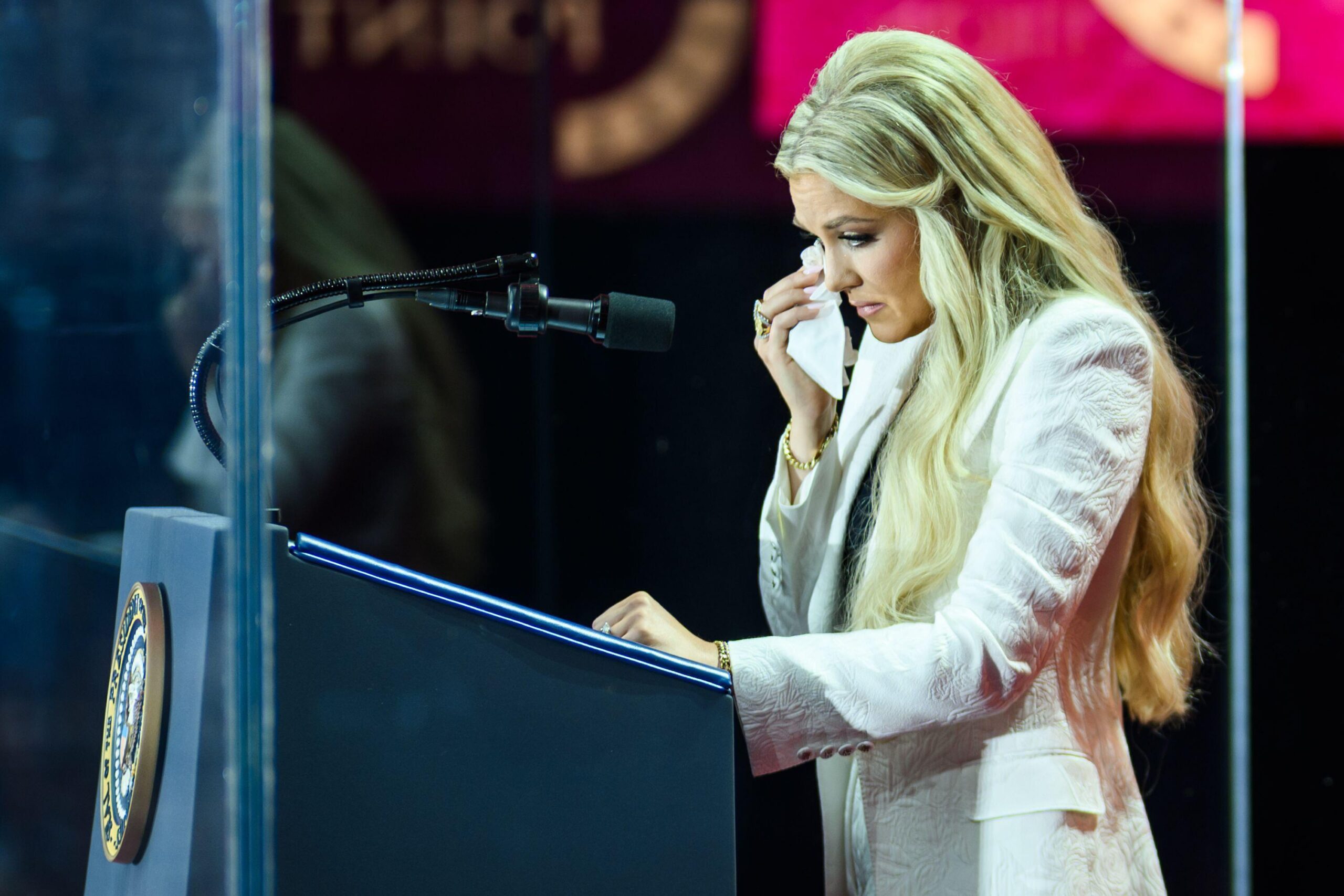
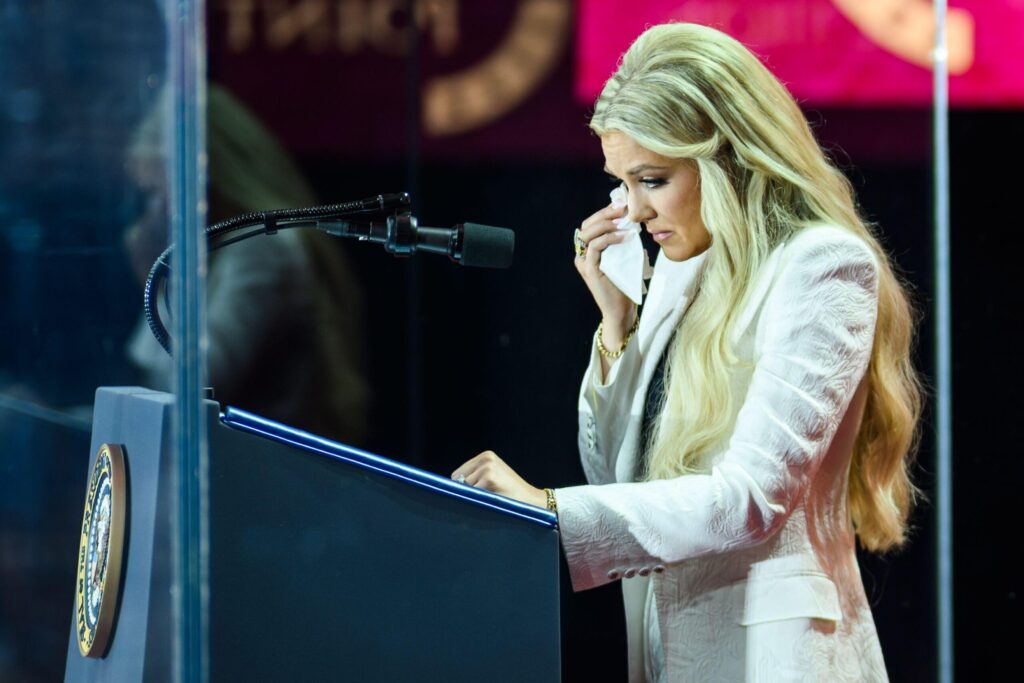
“The answer to hate is not hate. The answer we know from the gospel is love and always love. Love for our enemies and love for those who persecute us.”
Those words, spoken by Erika Kirk at her husband Charlie’s memorial service, cut through grief and politics with startling clarity. They were not about party or power. They were about forgiveness, humanity, and the choice each of us faces when confronted by hate.
Charlie Kirk had been gunned down in a moment of hate that has reverberated across the country–in some cases–hardening both sides of a divide that continues to metastasize into more hate, more violence.
With tears in her voice and conviction in her heart, Erika Kirk said, “Our Savior said, ‘Father, forgive them, for they not know what they do.’ That young man … I forgive him. I forgive him because it was what Christ did, and it’s what Charlie would do.”
Moments later, President Donald Trump took the stage. He acknowledged that Charlie “did not hate his opponents. He wanted the best for them.”
Then, in front of thousands of Christians, the President said, “That’s where I disagreed with Charlie, ‘I hate my opponent and I don’t want the best for them.”
The contrast could not have been more stark. One voice called for forgiveness, the other justified hate. One pointed toward reconciliation, the other toward perpetual conflict.
This divide matters, not because of party loyalty, but because it reveals the moral crossroads where America now stands. When leaders sanctify hatred, they prepare the ground for violence.
Violence rarely begins with bullets. It begins with words—words that strip away the humanity of opponents and cast them as enemies to be defeated rather than citizens to be respected. Once that happens, the moral ground of America erodes. That’s why ethical values are more urgent than ever:
Caring: recognizing the suffering of others, even across the aisle.
Tolerance: allowing space for differences without branding opponents as traitors.
Respect: acknowledging the dignity of every individual, even in disagreement.
Responsibility: restraining anger and accepting accountability for the impact of our words and actions.
Too often, we view every story through a partisan lens. But this is not about Republican versus Democrat. It is about whether we can still claim the moral courage to defend what is right.
If political identity becomes a justification for hate, we stop seeing mothers, fathers, neighbors, students, and friends. We only see threats.
That is why Erika Kirk’s words matter so profoundly. She refused to see only an enemy. She chose caring over cruelty, tolerance over vengeance, respect over scorn, responsibility over rage. She chose love, because she knew that without it, hate consumes everything in its path.
Leaders who glorify hate normalize violence. For America to heal, we must model humility, remembering that strength comes not from domination but from recognizing our limits and listening to others. Every human being is worthy of dignity.
People like Erika Kirk—who dare to speak forgiveness in the hardest of moments—must be heard above those who profit from division. She did not gloss over the pain; she refused to let hate win the narrative.
America stands at a moral crossroad.
We can continue down the path of hate and division, or we can take the harder road—the one less traveled by—of forgiveness, responsibility, and respect. The choice is ours, and the consequences will define not just our politics, but our character.
Comments

Recent Commentaries
I Am Not a Politician, and I Have No Partisan Loyalties
October 2, 2026
A Man of Incorruptible Integrity
September 29, 2026

HUMAN VALUES: NOT SPECIFIED
September 23, 2026
You Can’t Do That.
September 21, 2026
I AM SICKENED
September 18, 2026
The Courage to Defend a Principle
September 17, 2026
The Better Angels Among Us
September 14, 2026
We Remember
September 11, 2026
Mister Roberts!
September 8, 2026

Where’s the Character
August 7, 2026
Read More Articles
The Latest... And Sometimes Greatest
It Was Important Then. It is Important Today
Freedom of speech in America is under attack, not only when people are denied the right to speak, but when lies, intimidation and the deliberate...
August 3, 2026
When Political Identity Replaces Ethical Judgment
The political and cultural landscape has become a minefield of conflicting beliefs, many now rooted less in public policy than in personal identity. One of...
July 31, 2026
Principles Matter.
A few nights ago, I was watching The Way We Were, a film I’ve seen more times than I can count. This time, a single...
July 28, 2026
All the President’s Men 2.0
“Politics had infiltrated every corner of government—a strong-arm takeover of the agencies by the Nixon White House.” —Bob Woodward and Carl Bernstein, All the President’s...
July 23, 2026
The Threat to November Is Already Here
“Cunning, ambitious, and unprincipled men will be enabled to subvert the power of the people and to usurp for themselves the reins of government.”—George Washington’s...
July 20, 2026
Jon Ossoff and the Conscience of Atticus Finch
I’ve written about Georgia Senator Jon Ossoff before, but after watching his questioning of Jay Clayton, President Trump’s nominee for director of national intelligence (DNI),...
July 17, 2026