Published: March 19, 2026
By Jim Lichtman
There’s a moment in every uncertain time when loyalty stops sounding like a virtue and starts sounding like a test.
Not the healthy kind of loyalty: steadfastness to community, shared purpose, and a set of obligations we freely accept. I mean the kind that demands a simple answer to a complicated question:
Are you with us, or against us? The kind that treats conscience and doubt as disloyalty.
Watching Ken Burns’ The American Revolution reminded me how old this temptation is. The Revolution did not unfold as a neat pageant of unanimous conviction and courage. It tore through towns and families. It forced ordinary people to decide what they believed and feared. One neighbor calling another “traitor” before breakfast and “friend” by sundown, depending on which army was camped on the road that day.
The first ethical lesson is simple: in a genuine crisis, certainty has a kind of force. It calms panic, gives people a handrail, and can move a nation that’s frightened and uncertain.
The second lesson: loyalty can cease to be a virtue and become a moral cover, harmful actions are justified or excused in the name of loyalty to a leader, party, or cause.
In revolutionary America, loyalty wasn’t a belief; it was a test. Fail it, and you risked your property, your standing, even your safety. When the stakes rise that high, the pattern is familiar. Dissent is confused with treason. Obedience is renamed patriotism. And soon, the loudest loyalty is rewarded, while conscience… what we stand for, is punished.
But the Revolution also gives us a clear counterexample: men and women who refused to let “loyalty” become an excuse for surrendering their integrity.
Integrity is not loud. It rarely wins the first round of applause. It looks like restraint. It looks like refusing to say what would be easiest.
In Burns’ documentary, you can feel how difficult it was to live inside that kind of pressure. When allegiance is demanded, the natural impulse is to choose a side and stay silent about what troubles us. Speak up, and you risk being cast out. This is where the ethical distinction matters.
There is a loyalty that binds a republic together. Loyalty to the rule of law. Loyalty to the dignity of opponents. Loyalty to the idea… the principle that no person is above accountability. Loyalty to a tribe, a personality, or a grievance diminishes a republic.
The founders argued fiercely. They suspected one another. They feared corruption and power because they understood something we keep re-learning: power does not announce itself as power. It announces itself as necessity. It announces itself as loyalty.
When someone asks you for loyalty, ask, quietly but firmly, loyalty to what? To a principle that can withstand scrutiny, or to a demand that forbids it?
If you want a republic that lasts, make room for the citizen who says, “I’m committed to our common life… and that’s exactly why I won’t pretend, and won’t flatter what I don’t believe.”
That person is not disloyal. That person is practicing the most demanding form of loyalty we have: loyalty to conscience in service of the country—We the people.
Comments

Recent Commentaries
When Will This Madness End!?
March 18, 2026

When Government Threatens the Truth
March 16, 2026
Separating Fact from Rhetoric
March 12, 2026

Lindsay Vonn’s Gold Medal Moment
March 12, 2026
Teaching an Algorithm Right from Wrong
March 9, 2026
Now, More Than Ever
March 6, 2026
Peace Is Not an Elective
March 2, 2026
Revelations
February 26, 2026
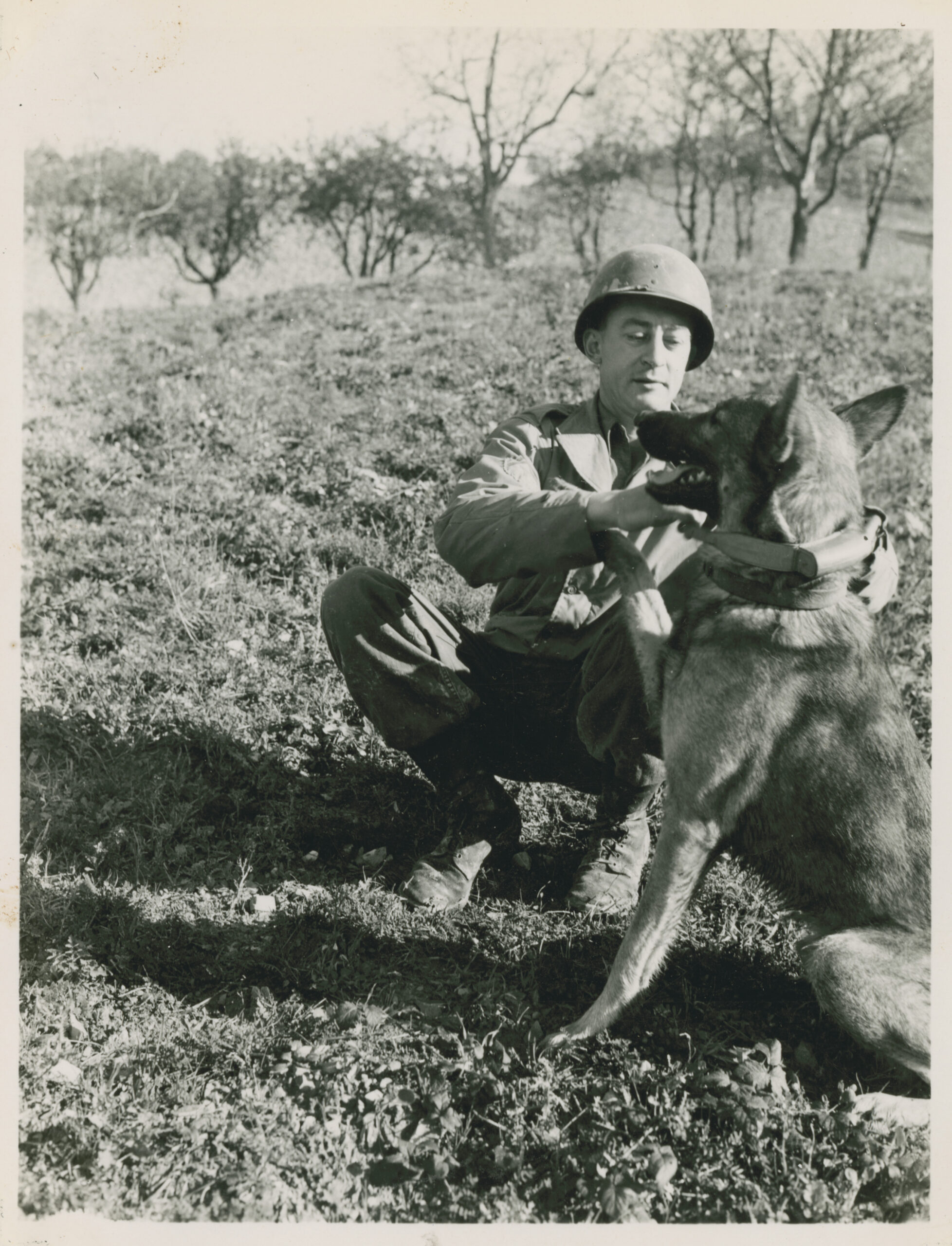
The Story of Chips, and The Cost of Looking Away
February 23, 2026

It’s Time to Talk About Respect
February 18, 2026
Read More Articles
The Latest... And Sometimes Greatest
Adversity and Perseverance
“How you climb a mountain is more important than reaching the top.”— Yvon Chouinard “Every new adjustment is a crisis in self-esteem”—Eric Hoffer “Retreat, Hell!...
February 16, 2026
Who Decides What’s Seen?
There are moments when a single arrest tells us more about the state of the country than a thousand speeches. The recent detention of Don...
February 12, 2026
The Death of Shame
Over the past several months, I’ve written commentaries revisiting moments in our history when individuals confronted serious challenges and rose to meet them — to...
February 9, 2026
Because We Need It
From the man who invented The Tonight Show. What Steve Allen understood—long before humor became sharper and more performative—is that laughter can be light and...
February 5, 2026
Why George Marshall Still Matters
There are moments in history when power reveals its true character. During World War II, no American general was more central to victory than George...
February 2, 2026
The Most Sacred Thing
We toss the word “sacred” around as if it were a mood, something reserved for private faith. But in public life, “sacred” has a harder...
January 29, 2026