Published: February 20, 2025
By Jim Lichtman
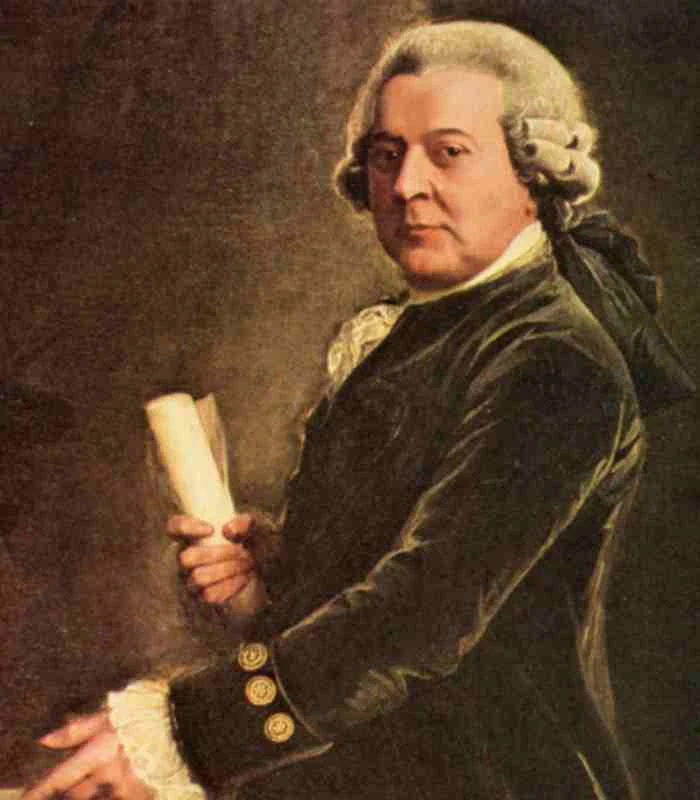
In the spring of 1770, John Adams faced a choice that would define his character and test his commitment to justice.
Five men lay dead on the streets of Boston shot by British soldiers in what would become known as the Boston Massacre. Outraged, the people demanded justice, but what they really wanted was revenge. No lawyer would touch the case. Representing the soldiers meant siding with the enemy. It meant risking everything: career, reputation, even personal safety.
Adams could have walked away. No one would have blamed him. But the law, he believed, had to stand above anger. Justice was not about who was popular or who shouted the loudest. It was about fairness, about principle, and principle, Adams knew, is only meaningful when it costs you something. He took the case.
In his summation to the jury, Adams, stood before a hostile crowd of court onlookers, defending men no one wanted to defend. “Facts are stubborn things,” he began so loudly that all could clearly understand the importance and meaning of his words, “and whatever may be our wishes, our inclinations, or the dictates of our passion, they cannot alter the state of facts and evidence.”
The evidence showed that the soldiers fired in self-defense. The Boston mob had provoked them. The rule of law demanded a fair trial, not a public execution disguised as justice. The verdict: most of the soldiers were acquitted. The rule of law prevailed.
Seven federal prosecutors in New York and Washington recently resigned after refusing to sign a statement that would overturn the conviction of New York Mayor Eric Adams. Both moments of character share a common thread: both are acts of ethical conviction in the face of pressures—one from the citizens of Boston, the other from inside the Justice Department itself. Their resignations came not long after they were given a choice: capitulate to injustice or stand for the rule of law.
Adams knew that defending the British soldiers would make him a pariah among his fellow colonists. But he also understood that justice isn’t about popular opinion; it’s about upholding the rule of law, even when it’s inconvenient or unpopular. His decision cost him clients, friends, and political standing, but he believed that a system that denied fair trials and fair convictions even to the despised was no justice system at all.
Similarly, the resignations of the seven attorneys suggest that they faced a consequential ethical dilemma: remain in a system that may have compromised legal principles or step away in protest. If, as reports indicate, they resigned over political interference in prosecutorial decisions, their actions reflect a belief that justice must remain independent from partisan influence.
In language echoing Adams’s, Assistant US Attorney Hagan Scotten wrote in his resignation letter, “Any assistant U.S. attorney would know that our laws and traditions do not allow using the prosecutorial power to influence other citizens, much less elected officials, in this way.
“If no lawyer within earshot of the President is willing to give him that advice, then I expect you will eventually find someone who is enough of a fool, or enough of a coward, to file your motion. But it was never going to be me.”
Like Adams, Mr. Scotten and the other six attorneys placed their integrity and commitment to the rule of law above personal or political considerations.
Whether in the 18th century or today, the fight for justice depends on those willing to stand firm against the tide.
Comments

Recent Commentaries

November 4, 2026
October 20, 2026

Has America Lost Its Way?
October 16, 2026
All The President’s Targets
October 13, 2026
Integrity Doesn’t Require a Megaphone
October 12, 2026

WHOSE PURPOSE DOES THIS SERVE?
October 9, 2026

Choreographer of Disaster
October 5, 2026
I Am Not a Politician, and I Have No Partisan Loyalties
October 2, 2026
A Man of Incorruptible Integrity
September 29, 2026

HUMAN VALUES: NOT SPECIFIED
September 23, 2026
You Can’t Do That.
September 21, 2026
Read More Articles
The Latest... And Sometimes Greatest
I AM SICKENED
Tonight, protesters are surrounding the Kennedy Center, the living memorial to John F. Kennedy and the heartbeat of Washington’s cultural life. They are there because...
September 18, 2026
The Courage to Defend a Principle
In 1998, at the height of the Clinton-Lewinsky scandal, Secret Service Director Lewis Merletti was driving to work when a radio report stopped him cold....
September 17, 2026
The Better Angels Among Us
By all appearances, we are becoming less the land of the brave than the land of resentment. Every day is Groundhog Day: same arguments, same...
September 14, 2026
We Remember
On September 11, 2001, nearly 3,000 people were killed in terrorist attacks in New York, at the Pentagon, and aboard Flight 93 in Pennsylvania. More...
September 11, 2026
Mister Roberts!
One of my favorite movies is Mister Roberts, the 1955 comedy-drama set aboard the USS Reluctant in the Pacific during World War II. Henry Fonda...
September 8, 2026
Where’s the Character
In 1984, Wendy’s ran a television commercial featuring the redoubtable Clara Peller, staring at an enormous hamburger bun. Inside was a burger patty smaller than...
August 7, 2026