Published: May 7, 2025
By Jim Lichtman
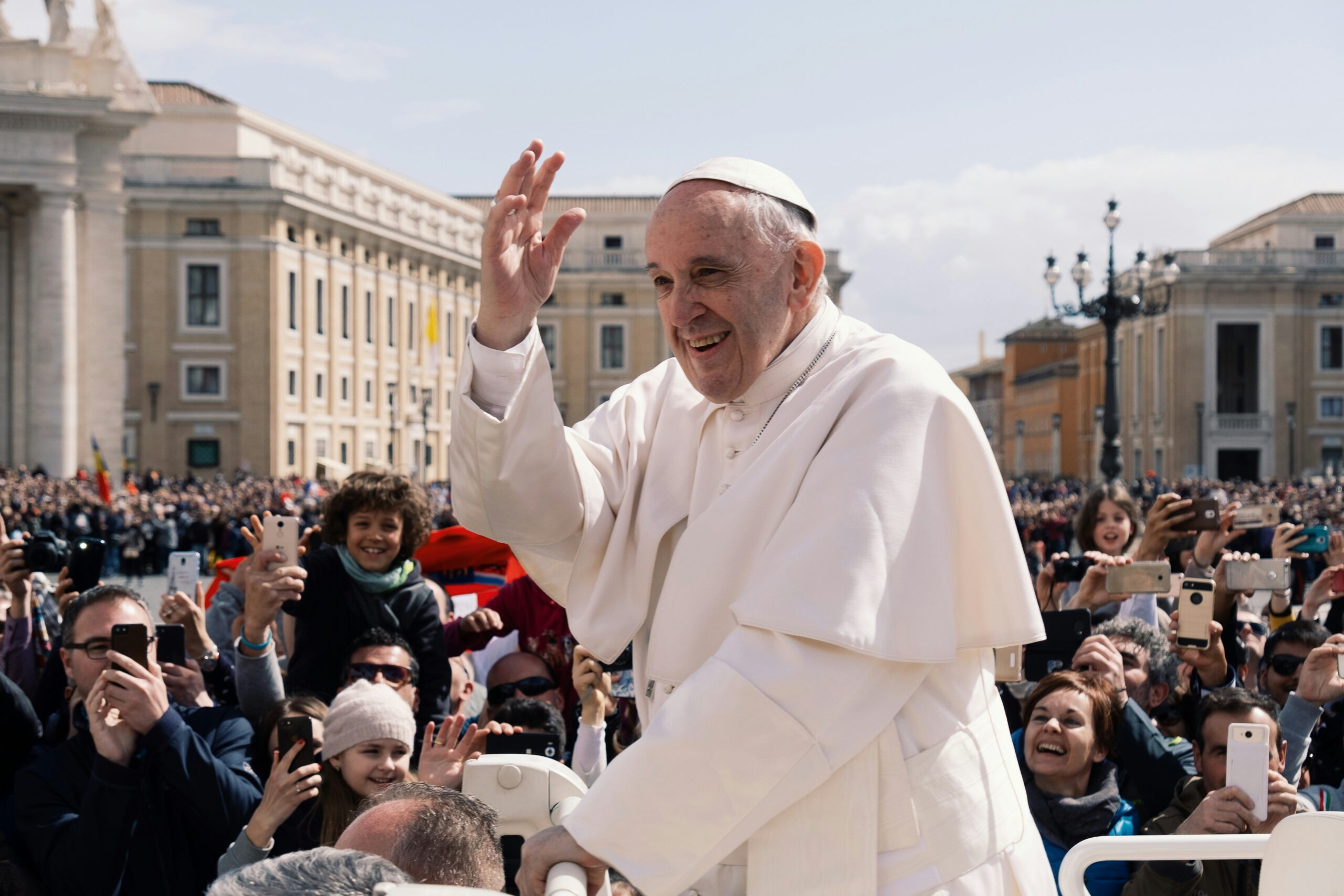

Photo: Ashwin Vaswani
I usually keep my focus on issues here at home—challenges that affect us as Americans. But with the world now turning its attention to the Catholic Church and the anticipation of a new Pope, I’ve been reading and reflecting on the legacy of Pope Francis—and what his message might mean for all of us, especially in this divided moment.
Pope Francis was a quiet force of moral clarity. He did not lead with thunder, but with presence—with the kind of courage that listens before it speaks, and acts before it judges.
He showed us what compassion looks like by living it; what peace looks like by preaching it around the world; and what leadership is because he embodied it.
At a time when leaders across the globe—and here at home—seem more interested in polarization than principle, Pope Francis showed us what compassion looks like by living it; what peace looks like by preaching it around the world; and what leadership is because he embodied it.
From the moment he stepped onto the balcony as the first pope from the Americas, the first Jesuit, the first to take the name Francis, he signaled a shift—not in doctrine, but in direction. His first words were not proclamations of power but a humble request: “Pray for me.”
In the years since, he has lived that humility. He has washed the feet of prisoners, embraced the disfigured, and called on the world’s wealthiest nations—including our own—to remember the poor, the refugee, the forgotten. He has challenged us to measure our success not by GDP or political wins, but by how we treat the most vulnerable.
That message matters deeply to Americans today. In the face of cultural warfare, rising intolerance, and the dangerous notion that empathy is weakness, Francis offers a counter-narrative rooted in the Gospel—and in common decency.
He tells us that mercy is not naïve. That caring for our planet is not political, but essential. That love—real, uncomfortable, sacrificial love—is not just an ideal, but a duty.
You don’t have to be Catholic to be moved by this. You just have to be human.
In 2015, he stood before the United States Congress and reminded lawmakers that “the yardstick we use for others will be the yardstick which time will use for us.” At that moment, the room grew still—not because of power, but because of truth. And in truth, there is always power.
Francis was not perfect. He knew that. But he led by example, not ego. He walked with the wounded. He spoke for the silenced. And in a time of disunion, he dares to whisper what many have forgotten: that grace is greater than grievance.
For a country struggling to remember who we are, perhaps it’s time to listen.
Comments
Recent Commentaries
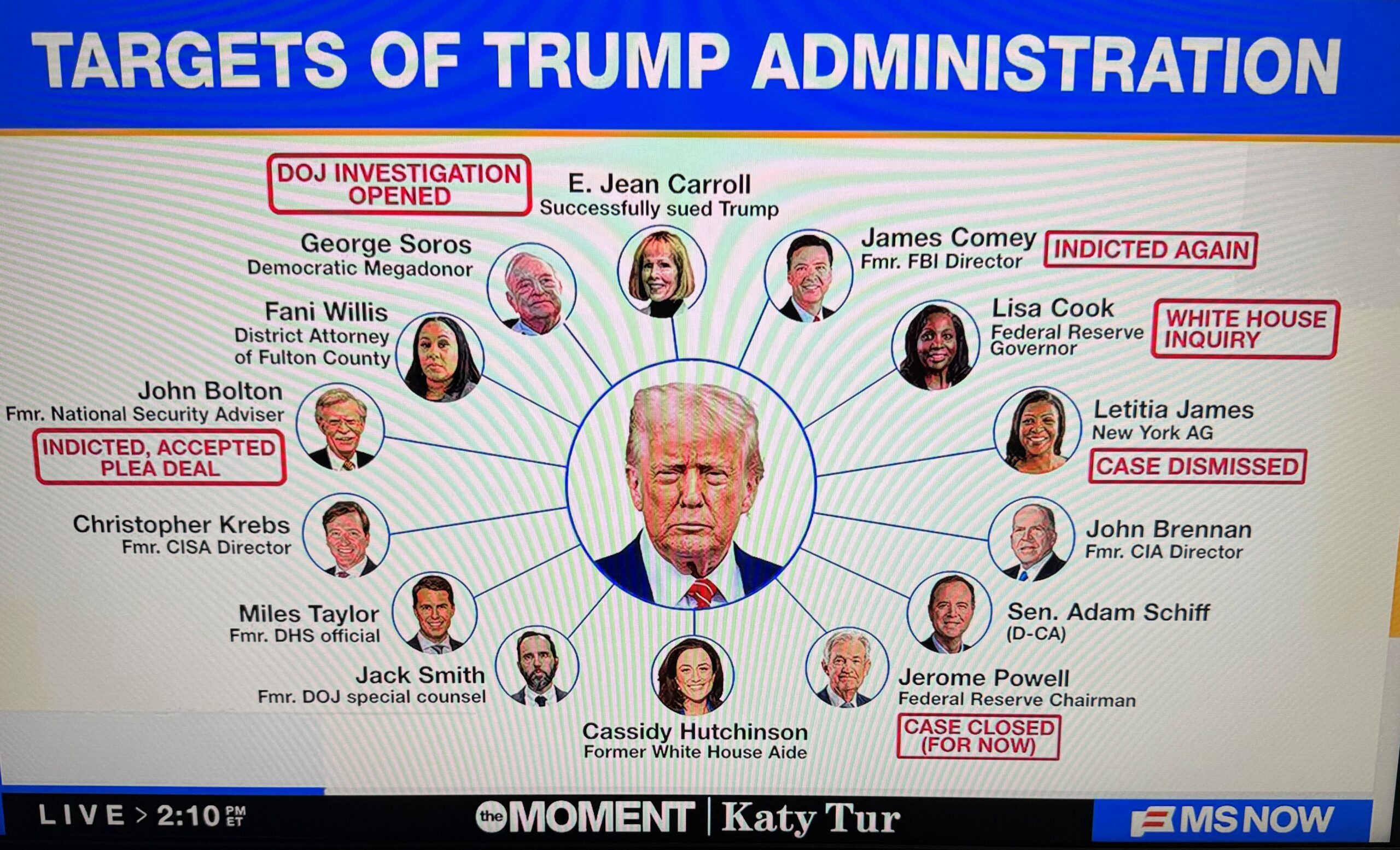
All The President’s Targets
October 13, 2026
Integrity Doesn’t Require a Megaphone
October 12, 2026
WHOSE PURPOSE DOES THIS SERVE?
October 9, 2026

Choreographer of Disaster
October 5, 2026
I Am Not a Politician, and I Have No Partisan Loyalties
October 2, 2026
A Man of Incorruptible Integrity
September 29, 2026

HUMAN VALUES: NOT SPECIFIED
September 23, 2026
You Can’t Do That.
September 21, 2026
I AM SICKENED
September 18, 2026
The Courage to Defend a Principle
September 17, 2026
Read More Articles
The Latest... And Sometimes Greatest
The Better Angels Among Us
By all appearances, we are becoming less the land of the brave than the land of resentment. Every day is Groundhog Day: same arguments, same...
September 14, 2026
We Remember
On September 11, 2001, nearly 3,000 people were killed in terrorist attacks in New York, at the Pentagon, and aboard Flight 93 in Pennsylvania. More...
September 11, 2026
Mister Roberts!
One of my favorite movies is Mister Roberts, the 1955 comedy-drama set aboard the USS Reluctant in the Pacific during World War II. Henry Fonda...
September 8, 2026
Where’s the Character
In 1984, Wendy’s ran a television commercial featuring the redoubtable Clara Peller, staring at an enormous hamburger bun. Inside was a burger patty smaller than...
August 7, 2026
It Was Important Then. It is Important Today
Freedom of speech in America is under attack, not only when people are denied the right to speak, but when lies, intimidation and the deliberate...
August 3, 2026
When Political Identity Replaces Ethical Judgment
The political and cultural landscape has become a minefield of conflicting beliefs, many now rooted less in public policy than in personal identity. One of...
July 31, 2026