Published: September 3, 2008
By Jim Lichtman
“Let me be as clear as possible. I have said before and I will repeat again, I think people’s families are off-limits, and people’s children are especially off-limits. This shouldn’t be part of our politics.”

That’s what Senator Barack Obama said to a group of reporters when asked for his reaction to the news that the 17-year-old, unmarried daughter of vice-presidential candidate Sarah Palin was five-months pregnant.
Amid the surprise and frenzy that Alaska Governor Sarah Palin was tapped as Senator John McCain’s vice-presidential running mate, the Palins released a statement about their underage daughter’s condition. While the internet bloggers played up countless gossipy stories on the subject, Obama made clear, in no uncertain terms, that the families of candidates should not be a campaign issue.
“It has no relevance to Governor Palin’s performance as a governor, or potential performance as a vice-president,” Obama said. “I would strongly urge people to back off these kinds of stories.”
By “people,” Mr. Obama was referring to us, the voting population, as much as the media.
Intellectually, we know gossip is not relevant to any political campaign, but we all lap it up when it’s in front of us.
But what draws us to gossip in the first place?
“Gossip informs and entertains by providing information which is often true about people you know and celebrities you don’t know,” so says writer Richard Weiner who’s been working on a book examining the history and motives of gossip.
“Inspite of religious and ethical prohibitions; inspite of centuries of punishment and legal restrictions, gossip is more prevalent today than ever and the primary reason is the internet,” Weiner says.
“The greatest amount of gossip is by ordinary folks, by men as well as women, though these men and women feel that they are both ethical and religious. Women are better at friendships than men, and the bonding mechanism for many women is gossip. They gossip on their blogs, Facebook and MySpace. Gossip enhances their self esteem.”
According to the research, all of us stand ready, willing and very able to participate in gossiping about most anyone…except when the critical or unkind, words are directed at us or someone we care about. Only then do we recognize gossip’s unethical affects.
Can we eliminate gossip? Not in my lifetime.
But ethics is not about the way things are. It’s about the way things should be.
And that’s the way it should be in politics, as well.
Comments


Recent Commentaries

November 4, 2026
October 20, 2026

Has America Lost Its Way?
October 16, 2026
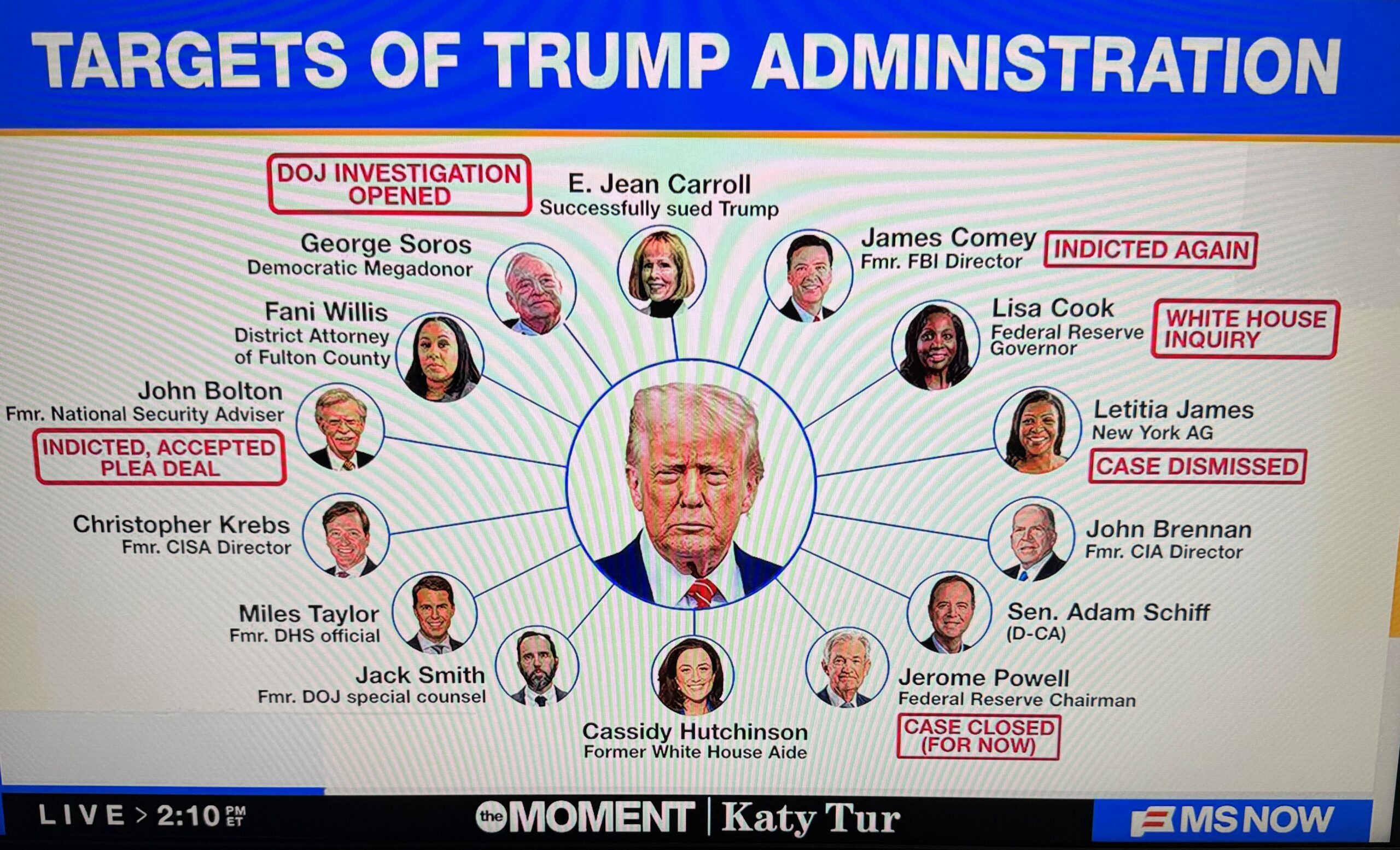
All The President’s Targets
October 13, 2026
Integrity Doesn’t Require a Megaphone
October 12, 2026

WHOSE PURPOSE DOES THIS SERVE?
October 9, 2026

Choreographer of Disaster
October 5, 2026
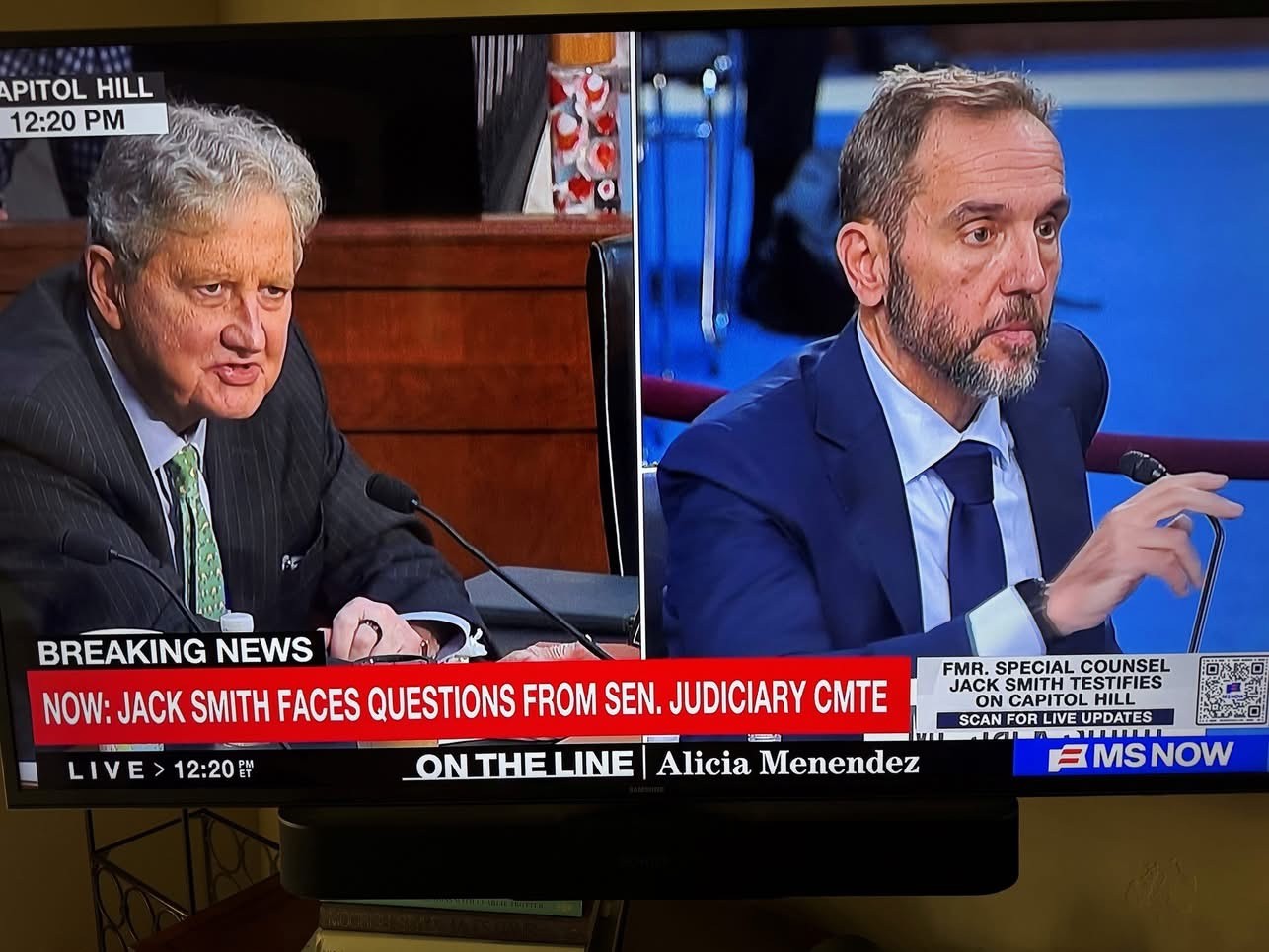
I Am Not a Politician, and I Have No Partisan Loyalties
October 2, 2026
A Man of Incorruptible Integrity
September 29, 2026

HUMAN VALUES: NOT SPECIFIED
September 23, 2026
You Can’t Do That.
September 21, 2026
Read More Articles
The Latest... And Sometimes Greatest
I AM SICKENED
Tonight, protesters are surrounding the Kennedy Center, the living memorial to John F. Kennedy and the heartbeat of Washington’s cultural life. They are there because...
September 18, 2026
The Courage to Defend a Principle
In 1998, at the height of the Clinton-Lewinsky scandal, Secret Service Director Lewis Merletti was driving to work when a radio report stopped him cold....
September 17, 2026
The Better Angels Among Us
By all appearances, we are becoming less the land of the brave than the land of resentment. Every day is Groundhog Day: same arguments, same...
September 14, 2026
We Remember
On September 11, 2001, nearly 3,000 people were killed in terrorist attacks in New York, at the Pentagon, and aboard Flight 93 in Pennsylvania. More...
September 11, 2026
Mister Roberts!
One of my favorite movies is Mister Roberts, the 1955 comedy-drama set aboard the USS Reluctant in the Pacific during World War II. Henry Fonda...
September 8, 2026
Where’s the Character
In 1984, Wendy’s ran a television commercial featuring the redoubtable Clara Peller, staring at an enormous hamburger bun. Inside was a burger patty smaller than...
August 7, 2026