Published: April 26, 2022
By Jim Lichtman
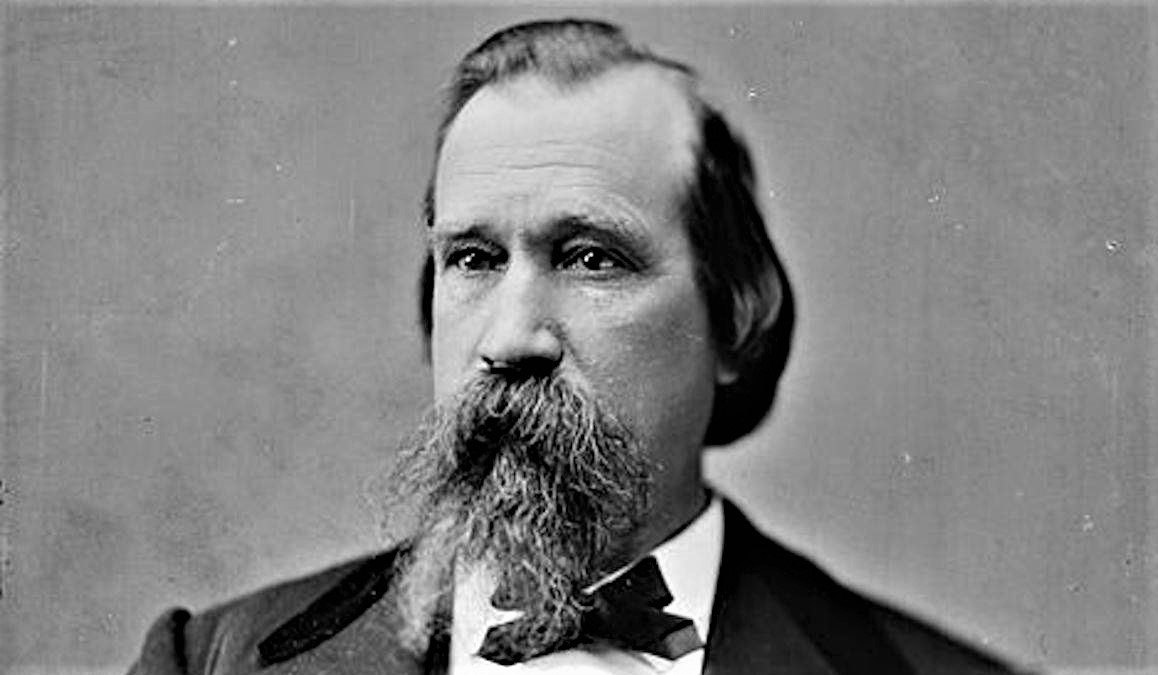

In 1877, Lucius Quintus Cincinnatus Lamar, a former distinguished Confederate officer, was the hugely popular Democratic Senator from Mississippi. So revered for his commitment to duty and integrity that a Washington reporter said of Lamar, “he would be a conspicuous personality anywhere, with a character and quality of his own.”
Lamar was now faced with an impossible choice in the Senate: vote for passage of a hugely popular bill that the Mississippi legislature bound him to support; or stand by his conscience.
“Free silver” was that new bill.
Put forth by Richard Bland, the Democratic Representative of Missouri, the bill would allow anyone with silver to bring it to the US Mint and come away with free coinage. Due to the increasing value of gold and the depression of 1873, the idea was an appealing solution for Mississippi farmers where they would see the price of their commodities rise and the value of their debts decrease.
After careful study, Lamar concluded that the long-term effects to the country were just too damaging. “He felt certain,” John F. Kennedy writes in Profiles in Courage, that passage of the bill would “embarrass our standing in the eyes of the world,” and was far from a “permanent financial program” for the country.
When the Bland Silver Bill came before the Senate for a vote, Lamar stood to address his colleagues. “No notes in his hand,” Kennedy observed, “for he was one of the most brilliant extemporaneous speakers ever to sit in the Senate.”
“Mr. President,” Lamar began, “between these resolutions and my convictions there is a great gulf. I cannot pass it . . . Upon the youth of my state whom it has been my privilege to assist in education I have always endeavored to impress the belief that truth was better than falsehood, honesty better than policy, courage better than cowardice. Today, my lessons confront me. Today, I must be true or false, honest or cunning, faithful or unfaithful to my people. Even in this hour of their legislative displeasure and disapprobation, I cannot vote as these resolutions direct.”
Lamar returned to Mississippi speaking to thousands of constituents explaining why he had voted against their wishes. Absent the kind of political spin utilized today, Lamar cited the examples of Senators John Calhoun, Daniel Webster, and others who had challenged their state’s legislative instructions based on the overarching needs of the country. Lamar said, “Better to follow the example of the illustrious men whose names have been given then to abandon altogether judgment and conviction in deference to popular clamor.”
Lamar’s tour was a huge success. Mississippians throughout the state recognized the character and the courage in the man they had seated in the Senate. “The Yazoo Democratic County Convention adopted a resolution that their legislators should ‘vote for him and work for him, first, last and all the time, as the choice of this people for United States Senator.’”
Arizona House Speaker Russell “Rusty” Bowers (R) has much in common with Lamar. Last week Bowers was a recipient of the John F. Kennedy Profile in Courage Award.
“Rusty Bowers, a pro-Trump Republican,” the citation reads, “resisted intense pressure from Trump and Rudy Giuliani and refused to go along with an illegal scheme to replace Arizona’s legal slate of electors with a false slate of electors who would elect Trump.
“‘As a conservative Republican, I don’t like the results of the presidential election,’ Bowers said. ‘I voted for President Trump and worked hard to reelect him. But I cannot and will not entertain a suggestion that we violate current law to change the outcome of a certified election.’
“For his decision of conscience,” the award committee wrote, “Bowers endured persistent harassment and intimidation tactics from Trump supporters, and later survived an attempt to recall him from the legislature. In January 2022, Bowers again acted to protect the integrity of Arizona elections by stopping a Republican-sponsored bill that would have allowed the legislature to overturn the results of an election. He remains a target for pro-Trump partisans.”
In the days that followed, “Bowers received more than 20,000 emails and 10,000 voice mails every day after standing up to Trump. Armed protesters gathered outside his house and screamed that he was a pedophile,” The Washington Post reported.
Congress is in need of more profiles in character, leaders who believe “that truth [is] better than falsehood, honesty better than policy, [and] courage better than cowardice.”
Comments
Leave a Comment

Recent Commentaries

November 4, 2026
October 20, 2026

Has America Lost Its Way?
October 16, 2026
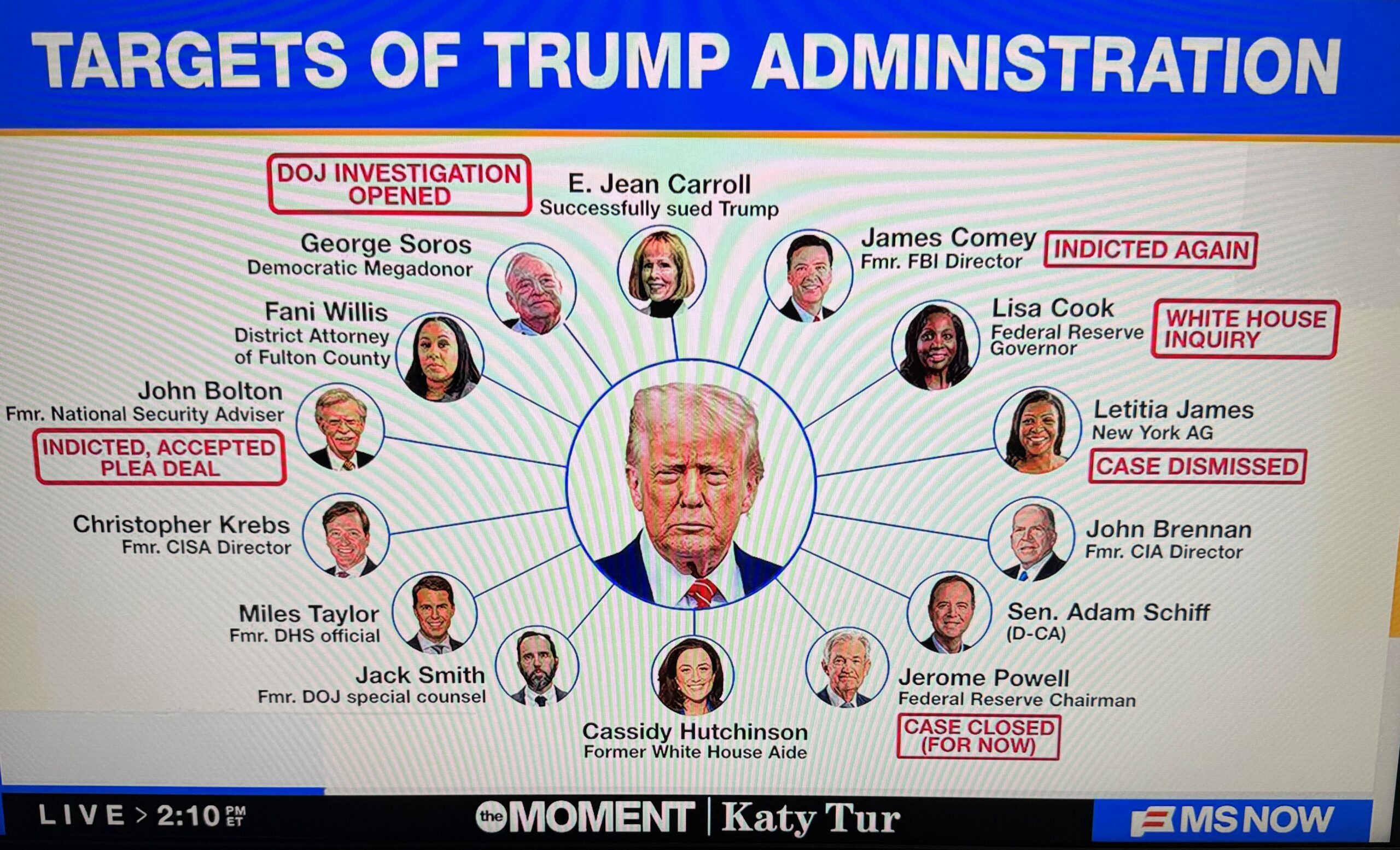
All The President’s Targets
October 13, 2026
Integrity Doesn’t Require a Megaphone
October 12, 2026
WHOSE PURPOSE DOES THIS SERVE?
October 9, 2026

Choreographer of Disaster
October 5, 2026
I Am Not a Politician, and I Have No Partisan Loyalties
October 2, 2026
A Man of Incorruptible Integrity
September 29, 2026

HUMAN VALUES: NOT SPECIFIED
September 23, 2026
You Can’t Do That.
September 21, 2026
Read More Articles
The Latest... And Sometimes Greatest
I AM SICKENED
Tonight, protesters are surrounding the Kennedy Center, the living memorial to John F. Kennedy and the heartbeat of Washington’s cultural life. They are there because...
September 18, 2026
The Courage to Defend a Principle
In 1998, at the height of the Clinton-Lewinsky scandal, Secret Service Director Lewis Merletti was driving to work when a radio report stopped him cold....
September 17, 2026
The Better Angels Among Us
By all appearances, we are becoming less the land of the brave than the land of resentment. Every day is Groundhog Day: same arguments, same...
September 14, 2026
We Remember
On September 11, 2001, nearly 3,000 people were killed in terrorist attacks in New York, at the Pentagon, and aboard Flight 93 in Pennsylvania. More...
September 11, 2026
Mister Roberts!
One of my favorite movies is Mister Roberts, the 1955 comedy-drama set aboard the USS Reluctant in the Pacific during World War II. Henry Fonda...
September 8, 2026
Where’s the Character
In 1984, Wendy’s ran a television commercial featuring the redoubtable Clara Peller, staring at an enormous hamburger bun. Inside was a burger patty smaller than...
August 7, 2026
Thanks for the history review. I can’t say it better: “truth [is] better than falsehood, honesty better than policy, [and] courage better than cowardice.”