Published: April 25, 2025
By Jim Lichtman
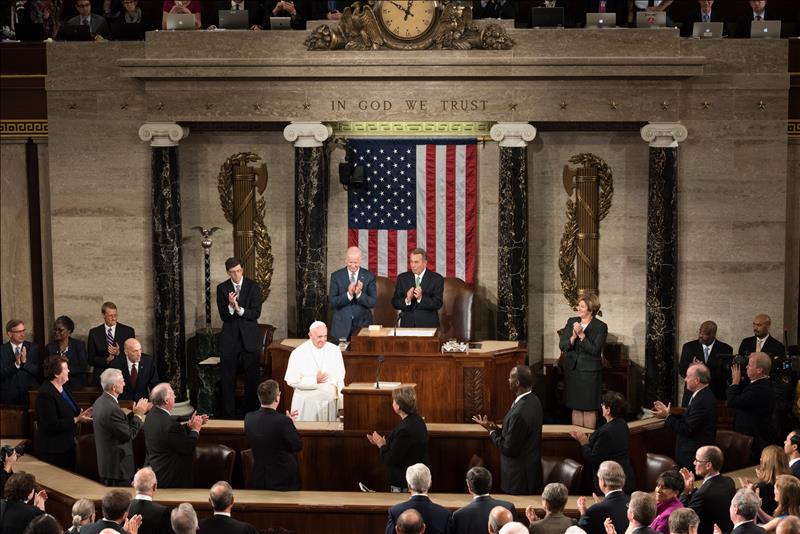
On September 24, 2015, Pope Francis made history as the first pontiff to address a Joint Session of the U.S. Congress. Nearly a decade later, his message still resonates with clarity and urgency.
Francis reminded lawmakers that public service is more than legislation, it is a moral occupation:
“You are called to defend and preserve the dignity of your fellow citizens in the tireless and demanding pursuit of the common good, for this is the chief aim of all politics.”
He acknowledged the strength of everyday Americans—workers, elders, and youth—whose daily acts of unity sustain the nation. He urged members of Congress to reflect that spirit in their own leadership.
At the heart of his message were four Americans who embody the nation’s moral compass: Abraham Lincoln, who fought for liberty anchored in unity; Martin Luther King Jr., who dreamed of civil rights and inclusion; Dorothy Day, who gave voice to the poor through a life of radical compassion; and Thomas Merton, a contemplative who bridged spiritual and social divides through dialogue.
Francis then turned to the fractures that plague the world in 2015—violence, extremism, and polarization. He warned against dividing humanity into rigid categories of good and evil:
“To imitate the hatred and violence of tyrants and murderers is the best way to take their place,” he said pointedly.
In their place, he offered a vision of hope, healing, and shared responsibility:
“Politics cannot be a slave to the economy and finance,” Francis warned. It must be embedded in human dignity and directed toward justice.
On immigration, he spoke not as a pontiff, but as the son of immigrants—reminding America of its own story:
“We, the people of this continent, are not fearful of foreigners, because most of us were once foreigners.”
He urged a humane response to immigrants fleeing violence and poverty, appealing to Congress with a simple question: “Is this not what we want for our own children?”
To those tempted to turn away, he offered a timeless reminder: “Let us remember the Golden Rule: ‘Do unto others as you would have them do unto you.’”
He called for the global abolition of the death penalty, reaffirming that every life is sacred, and that punishment must always carry the possibility of redemption. He praised the U.S. bishops’ renewed appeal and encouraged all who seek justice that does not exclude hope.
He urged bridge-building over division and condemned the arms trade, calling out “money drenched in blood,” and challenging leaders to confront the shameful silence around global violence.
Returning to the four Americans he honored, Francis said each offers a vision of what true greatness looks like:
“A nation can be considered great when it defends liberty as Lincoln did, dreams as King did, strives for justice like Day, and sows peace in the contemplative spirit of Merton.”
He closed with a plea to protect the family—the foundation of society—and voiced concern for the young, many of whom face despair, violence, and disillusionment.
“Their problems are our problems,” he said. “We cannot avoid them.”
In a time of deep division and challenge, Pope Francis offered no partisan solutions—only a moral compass embedded in dignity, compassion, and courage.
“God bless America,” he said, leaving the chamber—and the country—with a message that still calls us to our better angels.
Francis reminds us of who we are—and who we must strive to be again.
Comments
Recent Commentaries
November 4, 2026
October 20, 2026
Has America Lost Its Way?
October 16, 2026
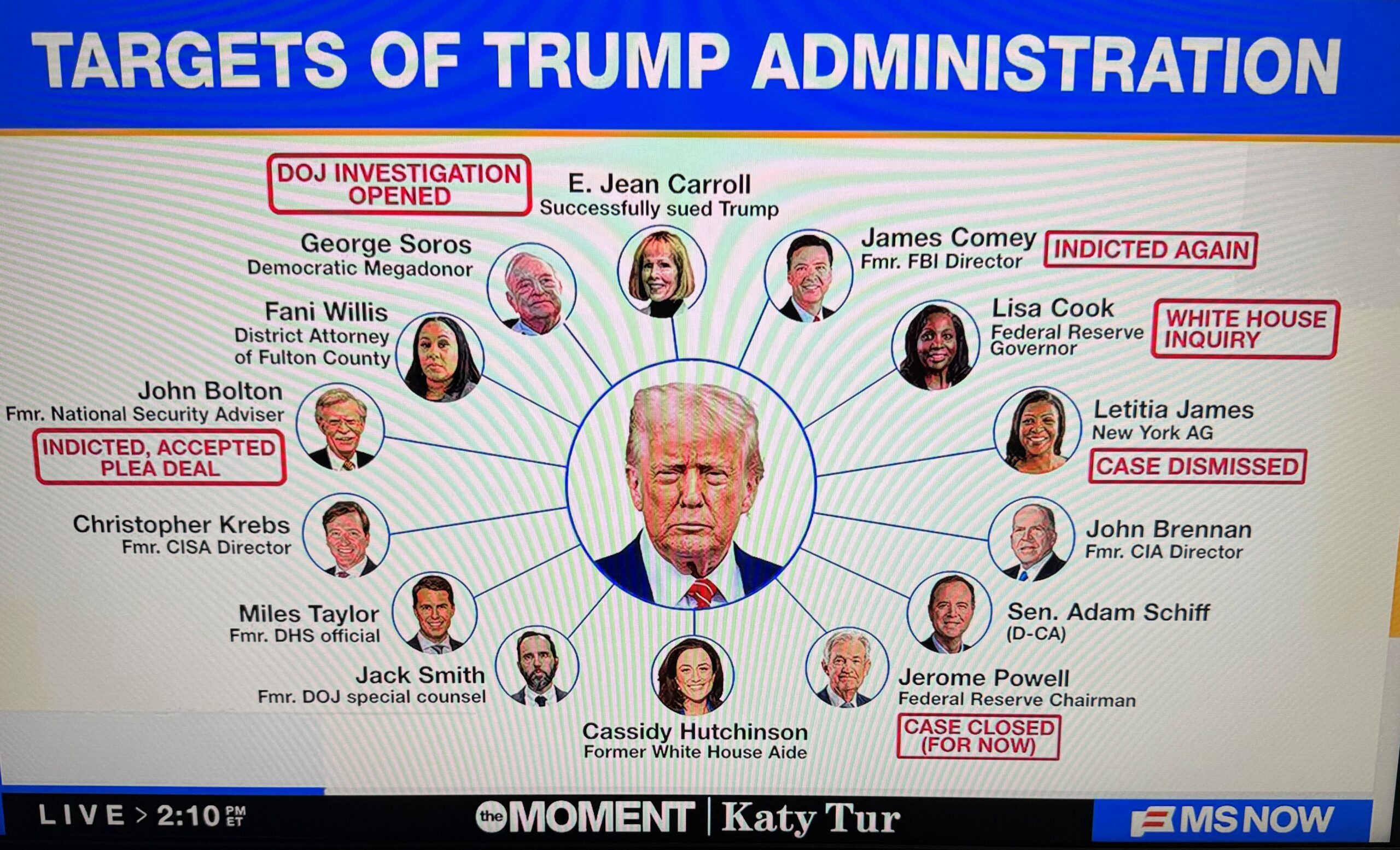
All The President’s Targets
October 13, 2026
Integrity Doesn’t Require a Megaphone
October 12, 2026
WHOSE PURPOSE DOES THIS SERVE?
October 9, 2026

Choreographer of Disaster
October 5, 2026
I Am Not a Politician, and I Have No Partisan Loyalties
October 2, 2026
A Man of Incorruptible Integrity
September 29, 2026

HUMAN VALUES: NOT SPECIFIED
September 23, 2026
You Can’t Do That.
September 21, 2026
Read More Articles
The Latest... And Sometimes Greatest
I AM SICKENED
Tonight, protesters are surrounding the Kennedy Center, the living memorial to John F. Kennedy and the heartbeat of Washington’s cultural life. They are there because...
September 18, 2026
The Courage to Defend a Principle
In 1998, at the height of the Clinton-Lewinsky scandal, Secret Service Director Lewis Merletti was driving to work when a radio report stopped him cold....
September 17, 2026
The Better Angels Among Us
By all appearances, we are becoming less the land of the brave than the land of resentment. Every day is Groundhog Day: same arguments, same...
September 14, 2026
We Remember
On September 11, 2001, nearly 3,000 people were killed in terrorist attacks in New York, at the Pentagon, and aboard Flight 93 in Pennsylvania. More...
September 11, 2026
Mister Roberts!
One of my favorite movies is Mister Roberts, the 1955 comedy-drama set aboard the USS Reluctant in the Pacific during World War II. Henry Fonda...
September 8, 2026
Where’s the Character
In 1984, Wendy’s ran a television commercial featuring the redoubtable Clara Peller, staring at an enormous hamburger bun. Inside was a burger patty smaller than...
August 7, 2026