Published: October 28, 2024
By Jim Lichtman
Twentieth-century journalist Walter Lippmann’s enduring appeal lies in his staunch commitment to the common good—the idea that society can function in a way that benefits everyone, not just individuals or specific groups. It’s a concept that is as essential today as it was when he first explored it nearly a century ago.
Lippmann—whose insights on democracy, media, and morality helped shape American thought—would be alarmed by today’s eroding public trust and the relentless pursuit of self-interest over shared responsibility. His work serves as a potent reminder that true freedom and democracy require more than self-interest; they require a shared commitment to the values that bind us.
Today’s fractured political landscape and lack of shared vision starkly contrast to the unity of Congress and Franklin Roosevelt during World War II.
Then: There was strong unity in Congress and the public due largely to Franklin Roosevelt’s command which rallied the nation around the common goal of defeating fascism.
Now: Democracy today is undermined by deep divisions and conflict, resulting in gridlock and little cooperative policy-making. General John Kelly, former Chief of Staff to Donald Trump, General Mark Milley, former Chairman of the Joint Chiefs, Mark Esper, former Defense Secretary, and hundreds of other former Republican officials from Trump’s first term in office, have attested to his reckless, authoritarian tendencies that drove much of this division.
Then: The public largely supported the war effort, fostering national pride and a sense of shared responsibility that—we’re all in this together.
Now: Due to the widespread disinformation campaign by Trump and his allies, a sizable number of the public has become disillusioned and skeptical of the very government institutions meant to protect us, fostering the false belief that these institutions only serve the interests of a powerful few rather than the public they were created to protect.
Then: Urgency led to setting aside partisan differences for national solidarity against Germany, Italy, and Japan.
Now: Increased division leads much of the public to view each other as either enemies or patriots, undermining not only public trust in the government but also trust among individuals.
Then: Roosevelt inspired unity and strength through effective communication and leadership.
Now: The public conversation is overwhelmed by a self-serving individual willing to “suspend the Constitution” to maintain his grip on power.
A good society, Lippmann argued, is only as strong as its commitment to the welfare of all its citizens, not just those at the top or the loudest in the room. He correctly foreshadowed how a public focused solely on personal gain becomes vulnerable to manipulation, division, and disintegration.
In today’s world, where leaders often prioritize division over unity or remain silent in the face of extremism, the idea of the common good feels like an act of courage. It’s a reminder that despite our differences, we share a fundamental need for dignity, safety, and respect.
The common good is not simply an ideal to strive for but a daily commitment. It’s the willingness to listen, empathize, and even sacrifice when necessary. It’s the realization that democracy is not just about rights but responsibilities. Walter Lippmann understood that. We need to remember it.
Comments
Leave a Comment


Recent Commentaries
It Was Important Then. It is Important Today
August 3, 2026
When Political Identity Replaces Ethical Judgment
July 31, 2026

Principles Matter.
July 28, 2026

All the President’s Men 2.0
July 23, 2026
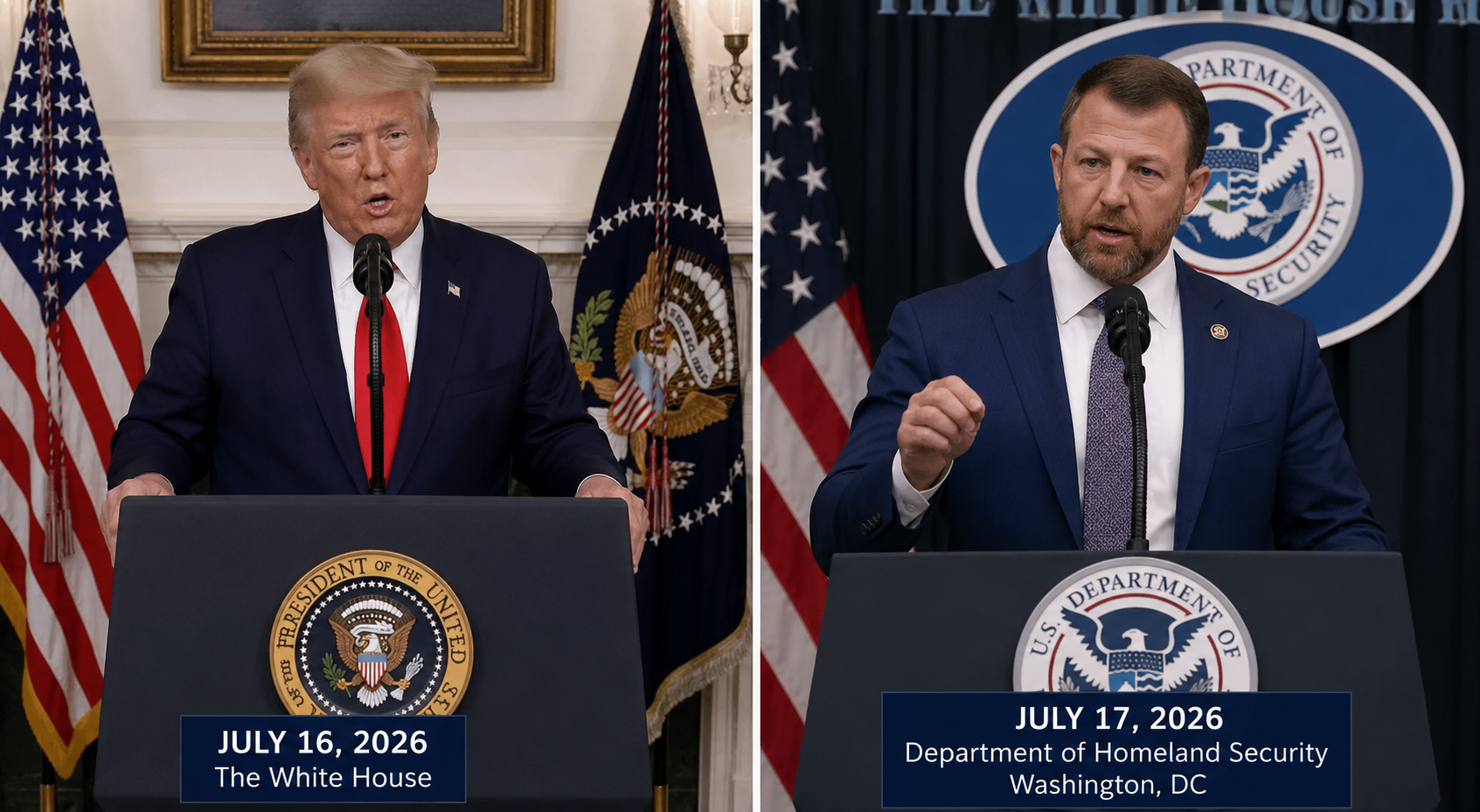
The Threat to November Is Already Here
July 20, 2026

Jon Ossoff and the Conscience of Atticus Finch
July 17, 2026

Hearts and Minds
July 16, 2026

The Ethics of Belonging
July 14, 2026

The Best of Us
July 9, 2026
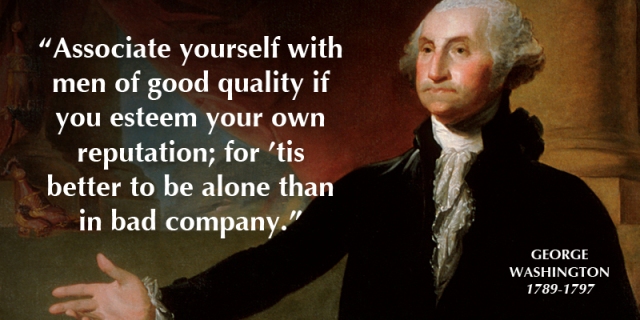
The Standard Washington Set
July 6, 2026
Read More Articles
The Latest... And Sometimes Greatest
Who We Were. Who We Are…
Today, America is 250 years old. This Fourth of July, amid deep national division, it seems worth asking a simple question: Which of our country’s...
July 4, 2026
Are We Still Worthy of What They Declared?
Conclusion: The Words That Made Us and Still Must. In December of 1776, the Revolution was not moving toward triumph. It was close to collapse....
July 3, 2026
Are We Still Worthy of What They Declared?
Part 2: Common Sense Are we still capable of that kind of clarity when it matters most? There was a moment in the birth of...
July 1, 2026
Are We Still Worthy of What They Declared?
For the most part, my high school history classes consisted of names, dates, documents, and battles. What I’ve learned since then — through historians like...
June 29, 2026
A Cautionary Tale: France Then, Washington Now
Lately, I’ve been reading more history, mostly to educate myself. But the other night, I opened Lord Acton’s Lectures on the French Revolution and didn’t...
June 25, 2026
Different Issues. Same Fear.
As our nation nears its 250th anniversary, an uneasy emotional connection to the past has returned—one rooted in fear, and the question of who gets...
June 22, 2026
“A sizable number of the public has become disillusioned and skeptical…democracy is not just about rights but responsibilities.” You have got it Jim.