Published: August 6, 2025
By Jim Lichtman
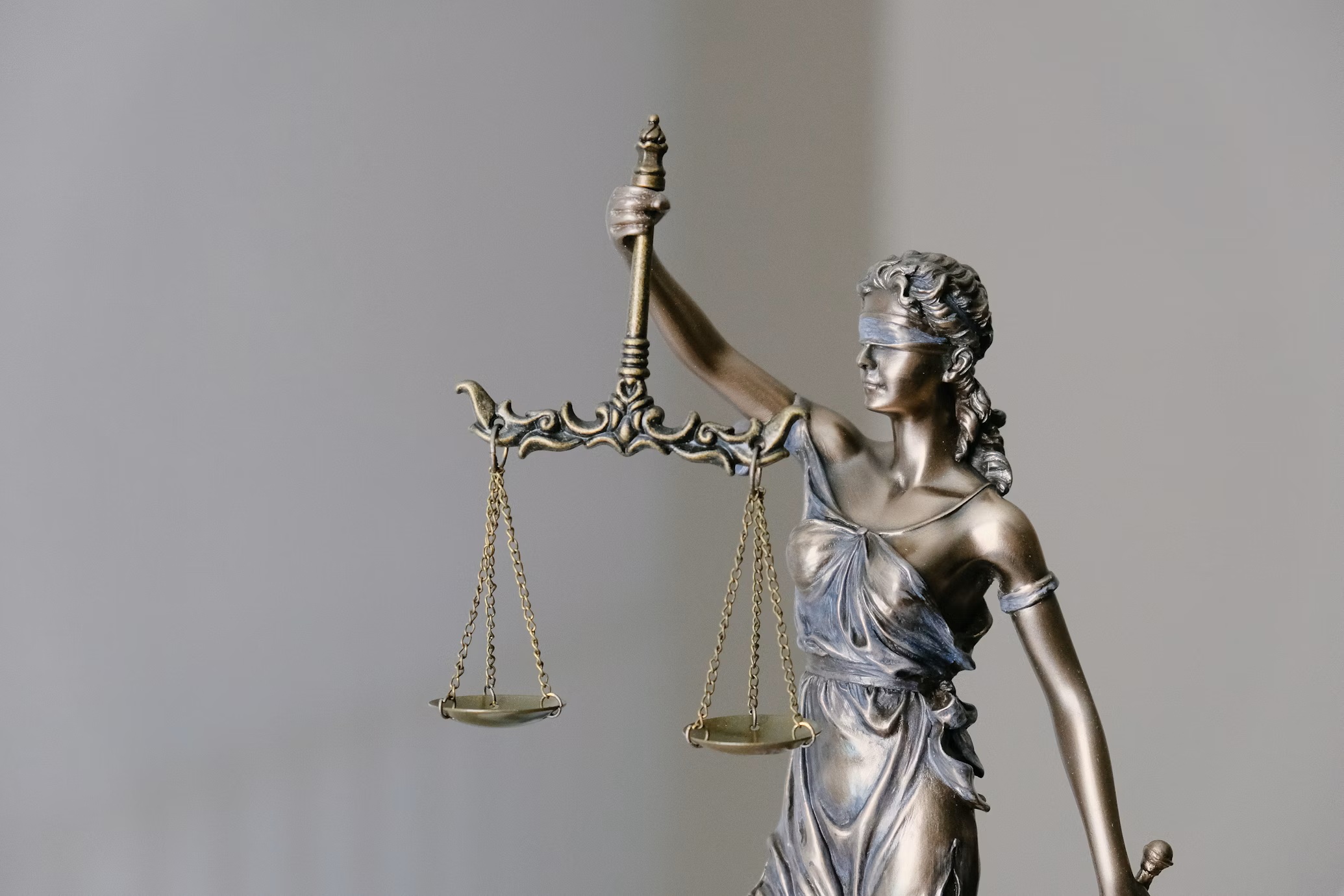

“Honesty and Integrity. Our employees adhere to the highest standards of ethical behavior, mindful that, as public servants, we must work to earn the trust of, and inspire confidence in, the public we serve”—From the Statement of Values, The Department of Justice.
There’s an unspoken rule in American courtrooms, one that keeps justice moving: judges take the government at its word.
The Department of Justice is presumed to act honestly, respectfully, and in good faith. That trust, known as the presumption of regularity, isn’t just a legal tradition. It’s an ethical cornerstone built on honesty, accountability, and a duty to the common good.
But that cornerstone is starting to crack.
Under President Trump’s leadership, the Justice Department has not only tested that presumption, it has violated it. DOJ attorneys have misled courts, defied judicial orders, and launched political attacks on judges who didn’t rule their way. The result? A growing number of jurists are saying out loud what many feared: they no longer trust the department they once believed in most.
This isn’t a debate over policy. It’s an ethical reckoning—a moment when the integrity of the system must be measured against the actions of those entrusted to serve it.
When federal judges begin describing government conduct as “egregious,” “lawless,” and “brazen,” they’re not being partisan. They’re sounding the alarm on something far more corrosive: the abandonment of truth, responsibility, and respect for the law.
As Georgetown law professor Stephen Vladeck said, “People don’t fully appreciate how much the ability of the legal system to work on a daily basis rests on the government’s credibility.”
He’s right.
When that credibility slips, everything slows down. Judges stop assuming good faith. They start questioning what used to be routine. Motions once handled with trust now require extra scrutiny. Legal arguments aren’t just read; they’re dissected for spin. What should be a straight path toward justice becomes a maze of mistrust.
But the deeper damage is moral.
The Department of Justice is supposed to be the gold standard of legal conduct. When its lawyers act like political operatives, we lose more than efficiency. We lose confidence in the system itself.
After more than 30 years of writing about ethics, I’ve learned this much: when trust goes, everything else follows.
DOJ attorneys aren’t hired to win at all costs. They’re sworn officers of the court—bound to the Constitution, not to the occupant of the Oval Office. Their ethical duty is to serve justice, not power. When they twist facts or ignore rulings, they undermine the very ideals they’re supposed to defend.
Judges are right to push back, not because they disagree politically, but because they understand the cost of allowing deceit to become routine. They’re not being political. They’re doing their job.
Public faith in the rule of law depends on the character of those who enforce it. And when those entrusted with justice abandon honesty and accountability, the entire system starts to feel rigged —not because it is—but because those in power behave as if ethics were optional.
That’s not how democracy works. That’s not how justice survives.
The Justice Department doesn’t just represent the law. It represents us. And if we want that representation to mean something, it must be grounded in the values we claim to uphold: truth over spin, responsibility over ambition, and integrity over loyalty to any one man.
Because in the end, the Justice Department’s most powerful weapon isn’t the law. It’s the trust we place in those who swear to uphold it.
Comments

Recent Commentaries
November 4, 2026
October 20, 2026
Has America Lost Its Way?
October 16, 2026
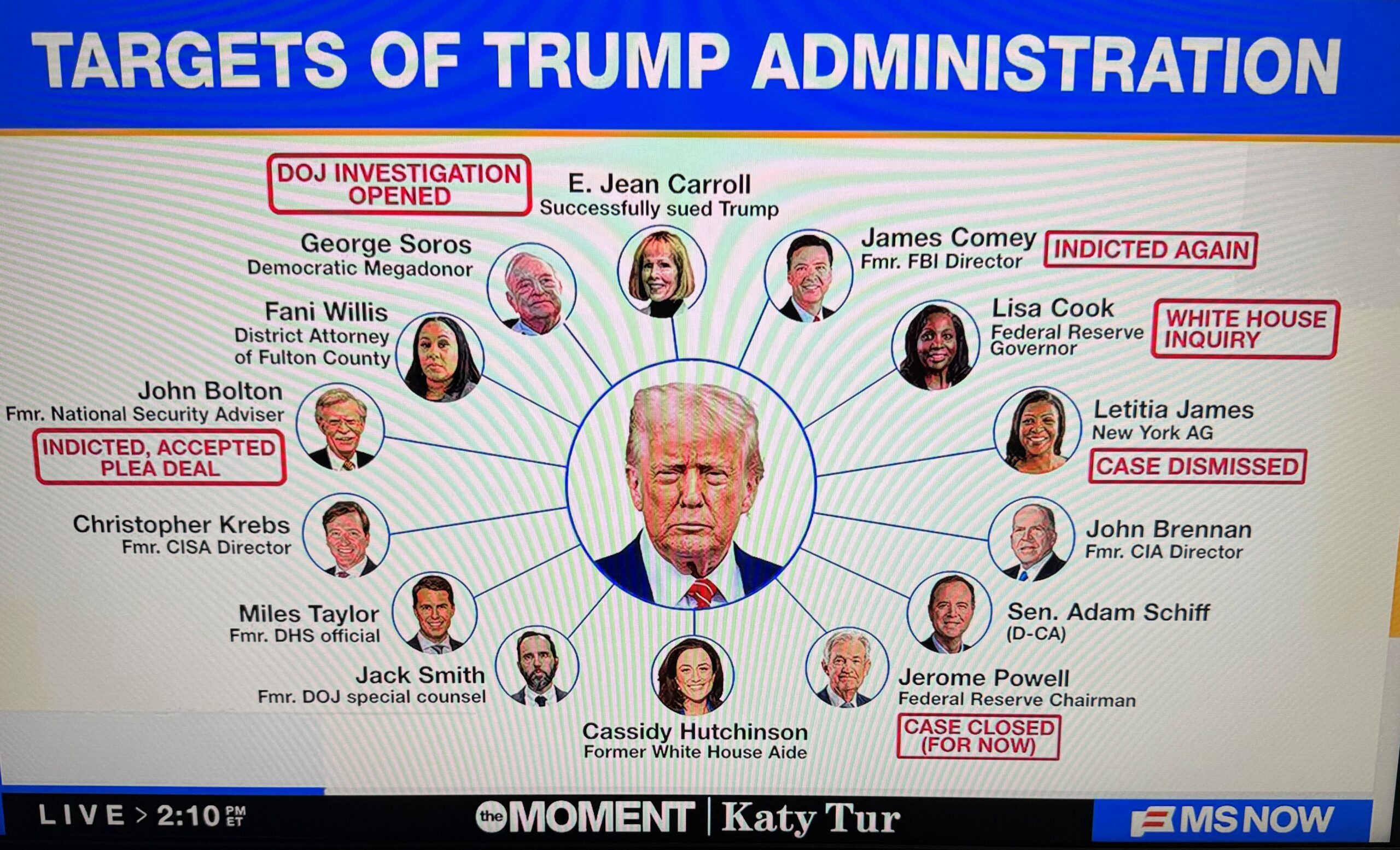
All The President’s Targets
October 13, 2026
Integrity Doesn’t Require a Megaphone
October 12, 2026
WHOSE PURPOSE DOES THIS SERVE?
October 9, 2026

Choreographer of Disaster
October 5, 2026
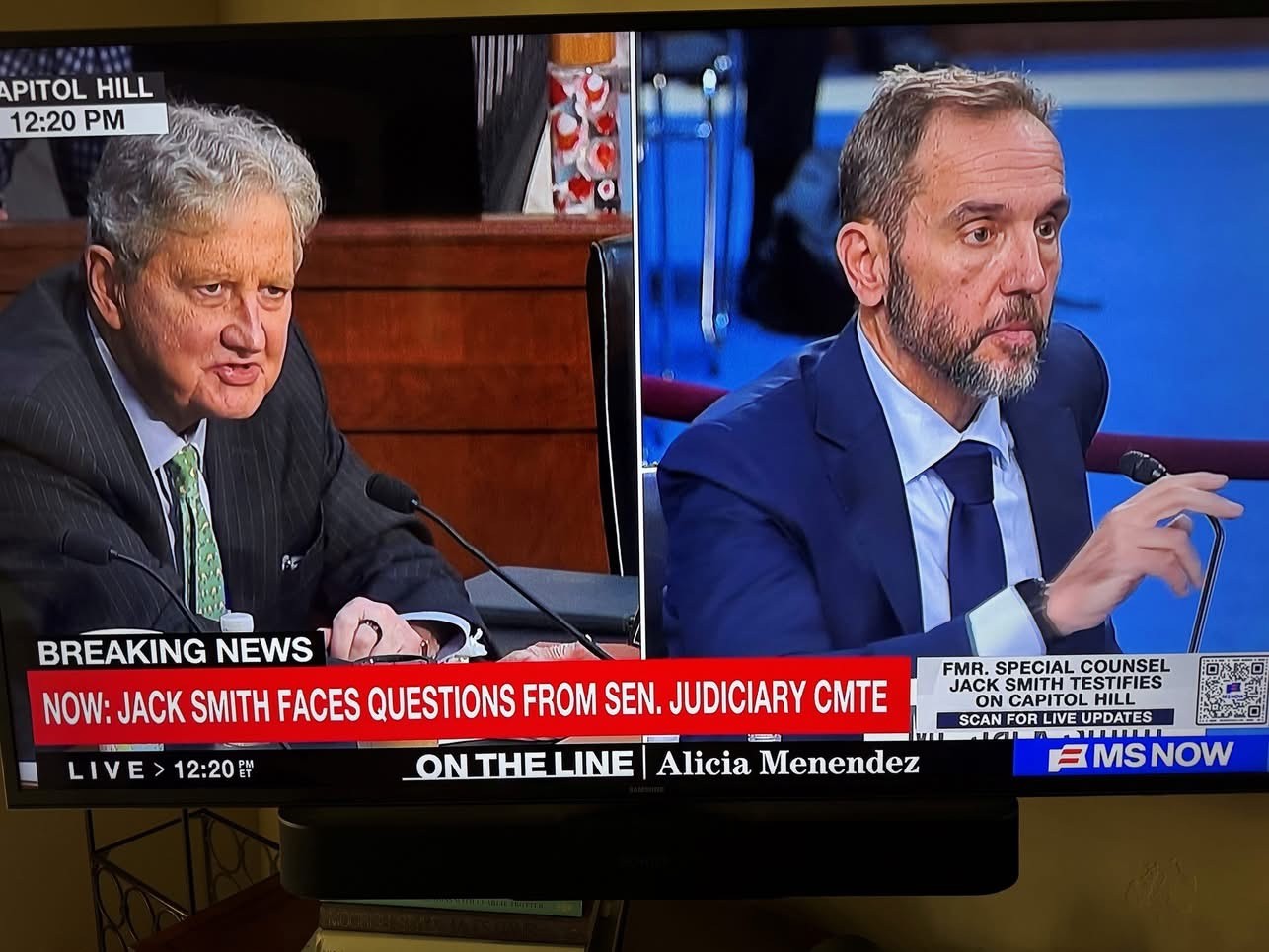
I Am Not a Politician, and I Have No Partisan Loyalties
October 2, 2026
A Man of Incorruptible Integrity
September 29, 2026

HUMAN VALUES: NOT SPECIFIED
September 23, 2026
You Can’t Do That.
September 21, 2026
Read More Articles
The Latest... And Sometimes Greatest
I AM SICKENED
Tonight, protesters are surrounding the Kennedy Center, the living memorial to John F. Kennedy and the heartbeat of Washington’s cultural life. They are there because...
September 18, 2026
The Courage to Defend a Principle
In 1998, at the height of the Clinton-Lewinsky scandal, Secret Service Director Lewis Merletti was driving to work when a radio report stopped him cold....
September 17, 2026
The Better Angels Among Us
By all appearances, we are becoming less the land of the brave than the land of resentment. Every day is Groundhog Day: same arguments, same...
September 14, 2026
We Remember
On September 11, 2001, nearly 3,000 people were killed in terrorist attacks in New York, at the Pentagon, and aboard Flight 93 in Pennsylvania. More...
September 11, 2026
Mister Roberts!
One of my favorite movies is Mister Roberts, the 1955 comedy-drama set aboard the USS Reluctant in the Pacific during World War II. Henry Fonda...
September 8, 2026
Where’s the Character
In 1984, Wendy’s ran a television commercial featuring the redoubtable Clara Peller, staring at an enormous hamburger bun. Inside was a burger patty smaller than...
August 7, 2026