Published: March 17, 2025
By Jim Lichtman

Respect is the foundation of a cohesive society, building trust, understanding, and cooperation. Manners—rooted in courtesy, and civility—shape how we engage with and treat others.
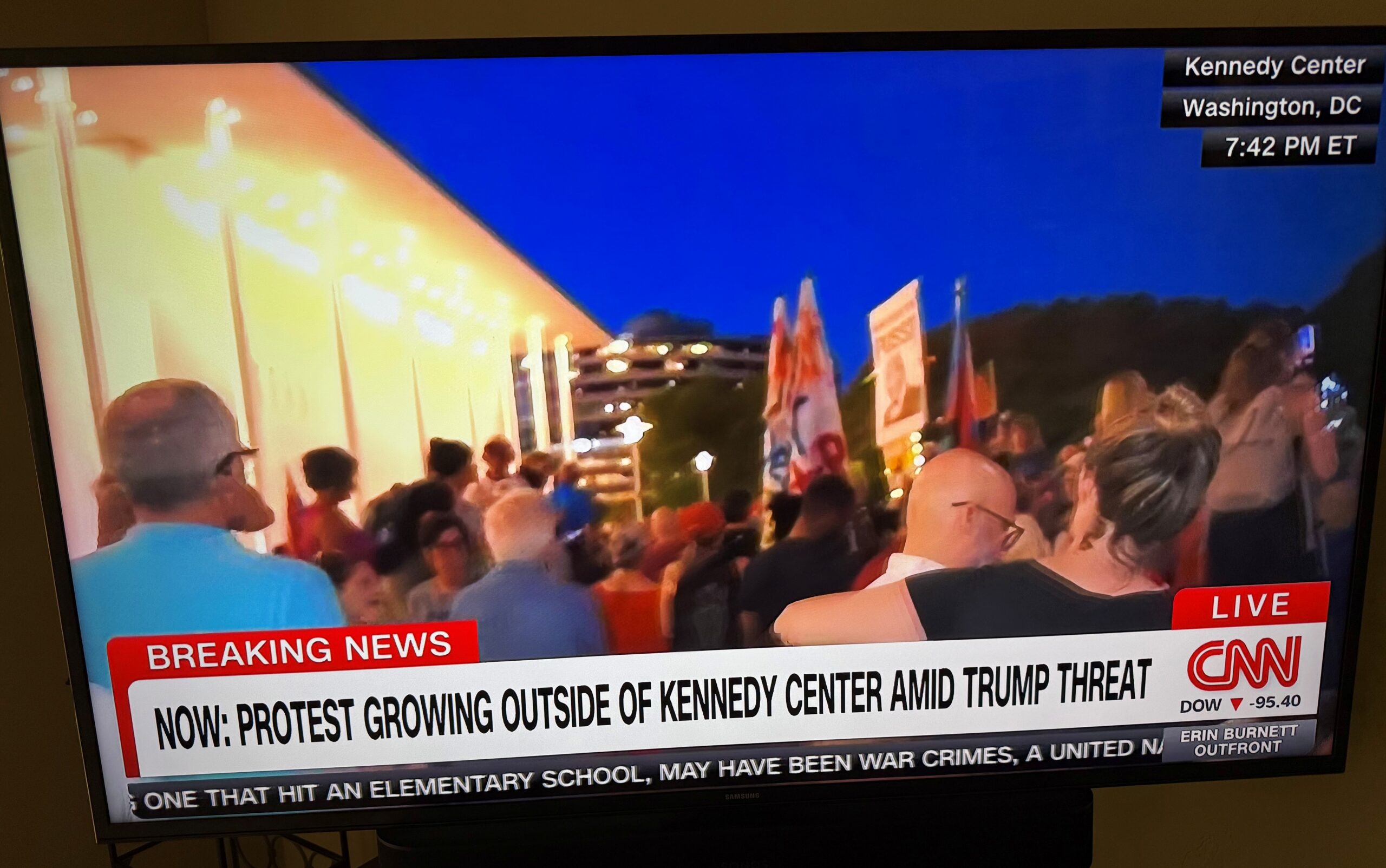
Last week, Vice President J.D. Vance and his wife were attending a concert at The Kennedy Center for the Arts in Washington. As soon as they took their seats, they were met with a chorus of boos. This came not long after President Donald Trump’s blatant power play where he forced out the Center’s board and chief executive in retaliation for past performances that dared to criticize him.
The outburst was unnecessary—just as unnecessary as Texas Democratic Representative Al Green’s recent theatrical display of incivility. As Trump addressed a joint session of Congress, Green stood, jeered, and defiantly shook his cane in protest. Refusing to stand down, he was ultimately escorted from the chamber on Speaker Mike Johnson’s orders.
Both incidents are a stark reminder of the continuing tensions in American politics, where outrage often takes the place of dialogue and defiance overshadows debate.
At the dawn of the Republic, the Founding Fathers didn’t hold back. At the Second Continental Congress, debates were hard-fought, sometimes explosive. John Adams and John Dickinson clashed over whether to seek reconciliation or revolution. Patrick Henry’s passionate calls for liberty inspired the movement for independence. But despite their differences, they understood that respect and serious deliberation were essential if they were to build a new nation.
Fast forward to today, and it’s a different story. Instead of principled arguments, we see grandstanding, public outbursts, and cheap theatrics designed more for social media than serious governance. Yelling, jeering, and personal attacks have replaced the kind of debate that moves a country forward. The difference? The Founders fought over the best path for America. Too many in Congress today seem more interested in fighting for attention.
In a world increasingly defined by division and self-righteousness, respect is what keeps the conversation going. It’s not about surrendering our principles but about recognizing that understanding—not just being right—is what leads to real progress. Respect challenges us to listen as much as we speak, to engage without hostility, and to see disagreement not as a battle to be won but as an opportunity to learn.
Isn’t that what we teach our kids?
Comments
Leave a Comment

Recent Commentaries
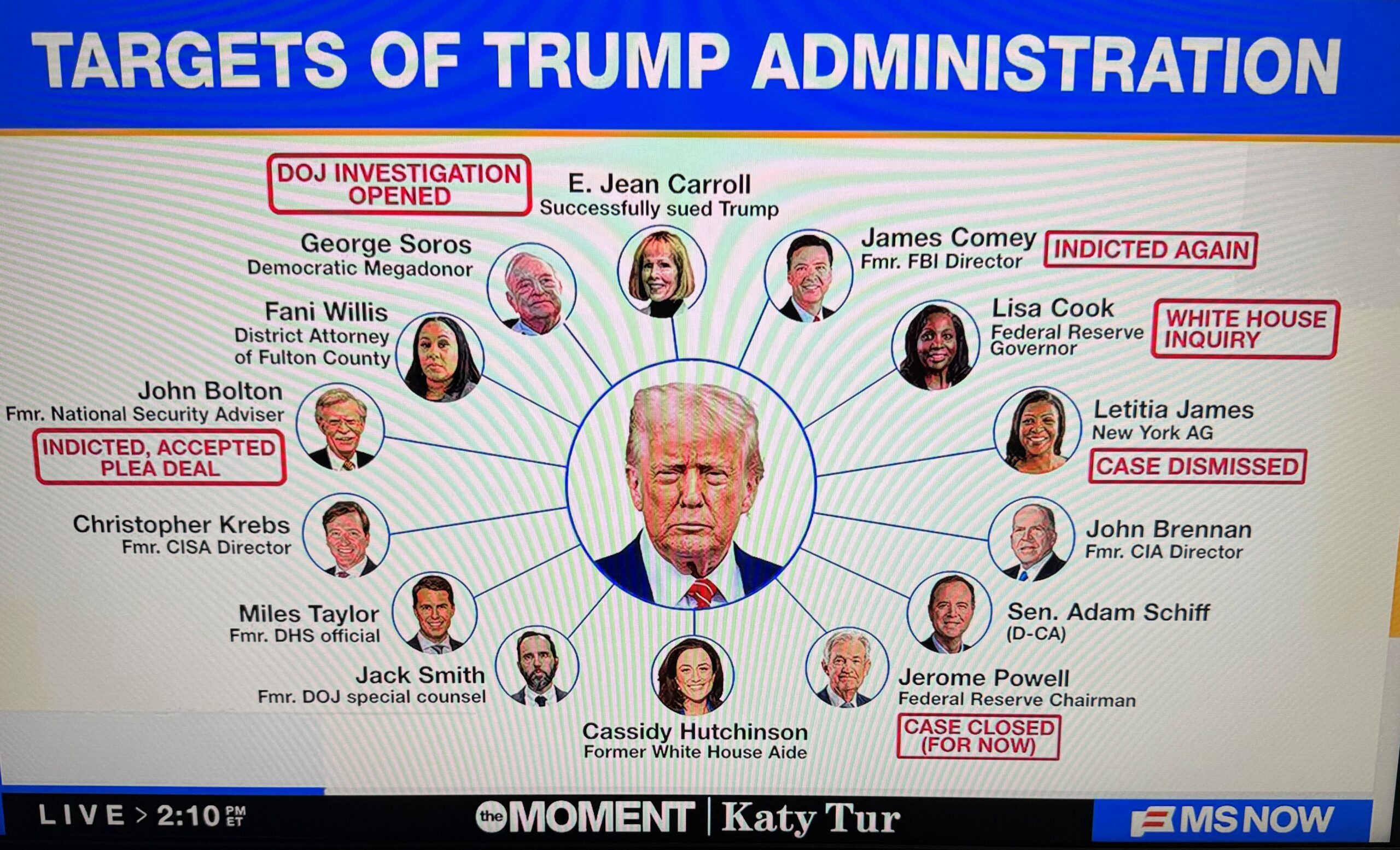
All The President’s Targets
October 13, 2026
Integrity Doesn’t Require a Megaphone
October 12, 2026
WHOSE PURPOSE DOES THIS SERVE?
October 9, 2026

Choreographer of Disaster
October 5, 2026
I Am Not a Politician, and I Have No Partisan Loyalties
October 2, 2026
A Man of Incorruptible Integrity
September 29, 2026

HUMAN VALUES: NOT SPECIFIED
September 23, 2026
You Can’t Do That.
September 21, 2026
I AM SICKENED
September 18, 2026
The Courage to Defend a Principle
September 17, 2026
Read More Articles
The Latest... And Sometimes Greatest
The Better Angels Among Us
By all appearances, we are becoming less the land of the brave than the land of resentment. Every day is Groundhog Day: same arguments, same...
September 14, 2026
We Remember
On September 11, 2001, nearly 3,000 people were killed in terrorist attacks in New York, at the Pentagon, and aboard Flight 93 in Pennsylvania. More...
September 11, 2026
Mister Roberts!
One of my favorite movies is Mister Roberts, the 1955 comedy-drama set aboard the USS Reluctant in the Pacific during World War II. Henry Fonda...
September 8, 2026
Where’s the Character
In 1984, Wendy’s ran a television commercial featuring the redoubtable Clara Peller, staring at an enormous hamburger bun. Inside was a burger patty smaller than...
August 7, 2026
It Was Important Then. It is Important Today
Freedom of speech in America is under attack, not only when people are denied the right to speak, but when lies, intimidation and the deliberate...
August 3, 2026
When Political Identity Replaces Ethical Judgment
The political and cultural landscape has become a minefield of conflicting beliefs, many now rooted less in public policy than in personal identity. One of...
July 31, 2026
I’m glad you finally addressed this subject matter. A copy of your commentary should be sent to every elected politician. And include a refresher course on critical thinking! Perhaps a pop quiz?
Joe S.