Published: October 3, 2025
By Jim Lichtman
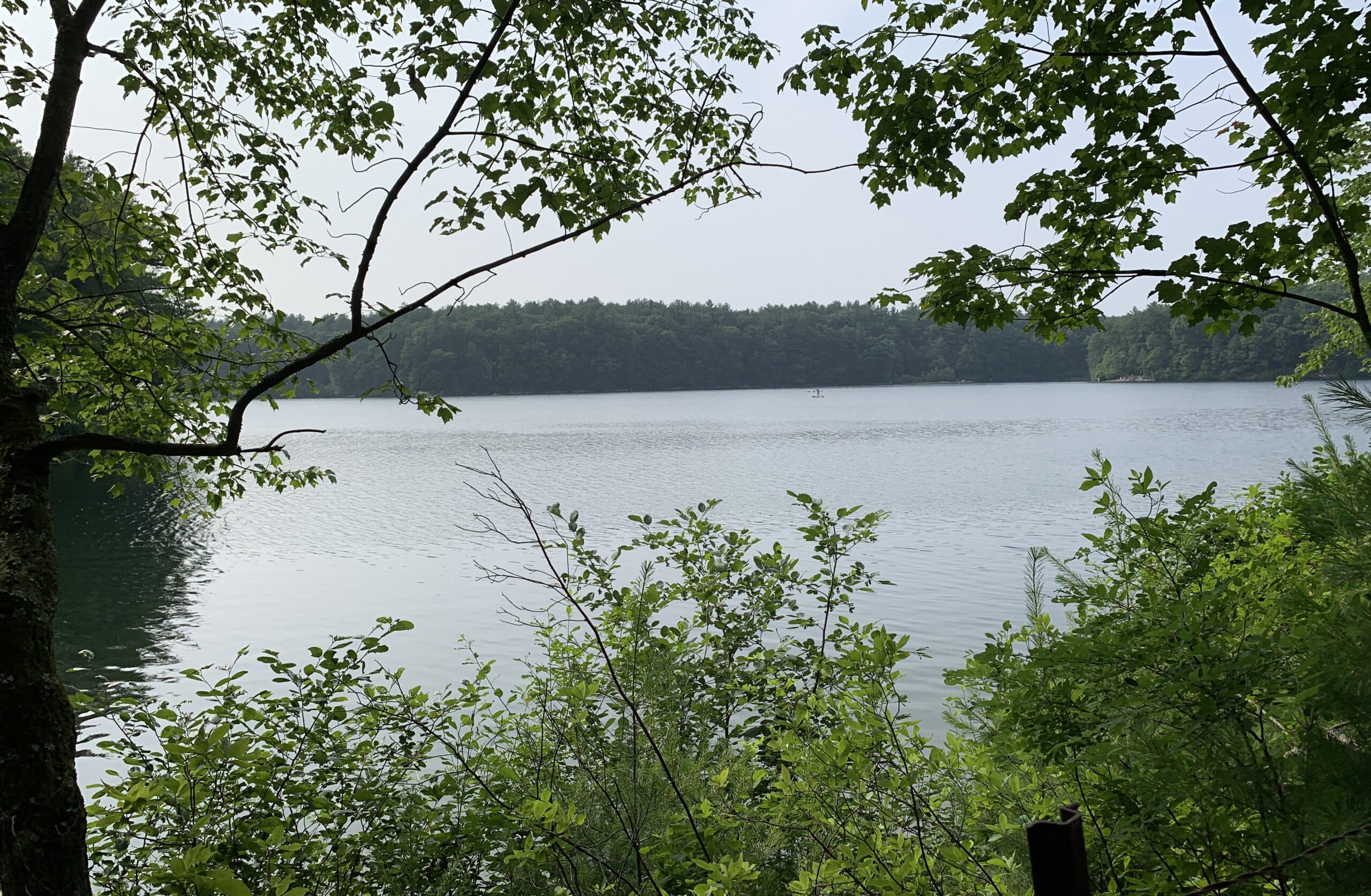

“The only obligation which I have a right to assume is to do at any time what I think right.” – Henry David Thoreau
I first read Walden back in high school. At the start, the pace felt slow, but once I settled into the rhythm, I was pulled in. Henry David Thoreau wasn’t simply a nature lover; he was a product of a young and restless America, asking questions about the kind of life we lead and the kind of society we shape. His time at Walden Pond wasn’t a retreat—it was an opportunity to step outside the noise and see what remains when everything else is stripped away.
Thoreau’s questions are still our questions today. What do we really need? What are we willing to stand for? And perhaps most important, when is it right to go along, and when is it necessary to say “no”?
In Civil Disobedience, written after he spent a night in jail for refusing to pay a tax that supported slavery and war, Thoreau argued that there are times when conscience has to come before compliance. He wasn’t urging chaos. He was saying that blind obedience to authority isn’t virtue—it’s complicity. “The only obligation which I have a right to assume,” he wrote, “is to do at any time what I think right.”
There’s freedom in those words: the understanding that ethics begins with the individual, that each of us bears the weight of doing what’s right. But there’s also unease, because too often today “doing what’s right” gets reduced to whatever benefits one side over the other.
Thoreau was pointing to something larger: the need to measure our choices against justice, fairness, and our shared humanity. We live in a culture where politics prizes winning at any cost. Our culture pushes us to consume more, move faster, and think less about consequences. Thoreau’s voice cuts through all that. He’s still saying: slow down, think for yourself, and remember that integrity matters more than convenience.
For me, the message couldn’t be clearer. Thoreau is asking each of us the same question he asked his neighbors more than 150 years ago: are you willing to live by conscience, even when it costs you? That’s how we rebuild trust. That’s how we move forward—not by more noise, but by more honesty.
If we’re ever going to move past the bitterness—the division of our time, it won’t happen through slogans or blame. It will depend on whether we choose to listen, respect the truth, and see the humanity in one another.
The democracy rests not only on our votes but on our daily choices—what we tolerate, how we treat people, and what we refuse to excuse.
The lesson is as vital now as it was then: the measure of a life isn’t what it accumulates… but what it contributes.
Comments
Recent Commentaries

Lindsay Vonn’s Gold Medal Moment
March 12, 2026

Teaching an Algorithm Right from Wrong
March 9, 2026
Now, More Than Ever
March 6, 2026
Peace Is Not an Elective
March 2, 2026
Revelations
February 26, 2026
The Story of Chips, and The Cost of Looking Away
February 23, 2026

It’s Time to Talk About Respect
February 18, 2026

Adversity and Perseverance
February 16, 2026
Who Decides What’s Seen?
February 12, 2026
The Death of Shame
February 9, 2026
Read More Articles
The Latest... And Sometimes Greatest
Because We Need It
From the man who invented The Tonight Show. What Steve Allen understood—long before humor became sharper and more performative—is that laughter can be light and...
February 5, 2026
Why George Marshall Still Matters
There are moments in history when power reveals its true character. During World War II, no American general was more central to victory than George...
February 2, 2026
The Most Sacred Thing
We toss the word “sacred” around as if it were a mood, something reserved for private faith. But in public life, “sacred” has a harder...
January 29, 2026
THIS Cannot Be Ignored
New information has now confirmed what many feared from the start: Alex Pretti was disarmed before he was shot—multiple times—by federal agents in Minneapolis. Whatever...
January 25, 2026
Year One
Not long ago, I stopped watching the national news. I told myself I was stepping away from the noise and the churn for some peace...
January 20, 2026
Removed
First an update: Not long ago, 60 Minutes, the CBS news program, pulled a segment a few hours before it was set to air. The...
January 18, 2026