Published: May 19, 2025
By Jim Lichtman


Credit: .J. Scott Applewhite/Associated Press
In 2012, Justice David Souter—long retired, rarely seen—offered a quiet but powerful warning during a talk in New Hampshire. Reflecting on the erosion of civic understanding, he said:
“What I worry about is that when problems are not addressed, people will not know who is responsible. And when the problems get bad enough—as they might—some one person will come forward and say, ‘Give me total power and I will solve this problem.’ That is how the Roman Republic fell.”
He wasn’t being dramatic. He was being honest.
Today, we are living in the shadow of that warning.
We’ve seen a president lie with impunity, attack democratic institutions, fire or layoff thousands of government employees—most notably inspectors general whose job it is to oversee waste fraud and abuse. He urges followers to believe only him, either in word or by silence. And millions cheer—not because the facts support it, but because the narrative feels better than the truth.
Grievance has replaced civic reasoning. Loyalty has replaced accountability. And facts—once the foundation of public discourse—are now treated as disposable.
Democracy doesn’t survive on autopilot. It depends on citizens who can tell the difference between leadership and manipulation, truth and performance. When we ignore that distinction, we normalize lies, excuse threats, and degrade the very structure we claim to defend.
Some people don’t want to face the truth because it would mean admitting that the person they supported violated not just political norms but ethical ones. So they double down. They attack the messenger. They blame everyone but the man at the center of the storm.
That’s not civic engagement. That’s denial. And denial has a cost.
This isn’t hyperbole. It’s history. Democracies rarely fall all at once. They fade—when people stop asking questions, stop seeking truth, stop holding leaders to account. We don’t need to agree on every issue. But we must agree on the rules of the road: truth matters. Ethics matter. Democracy matters. Because once we stop caring about those things, it’s not just a political party that’s at risk.
It’s the republic itself.
So what now?
Speak up. Don’t let lies go unchallenged. You don’t have to shout. But you do need to show up. Support leaders of character—not just charisma. Elevate truth over volume. And remember: it’s not about being right. It’s about doing right.
Because the real danger isn’t just that facts no longer matter to some—it’s that we let them stop mattering to us.
Comments


Recent Commentaries

November 4, 2026
October 20, 2026

Has America Lost Its Way?
October 16, 2026
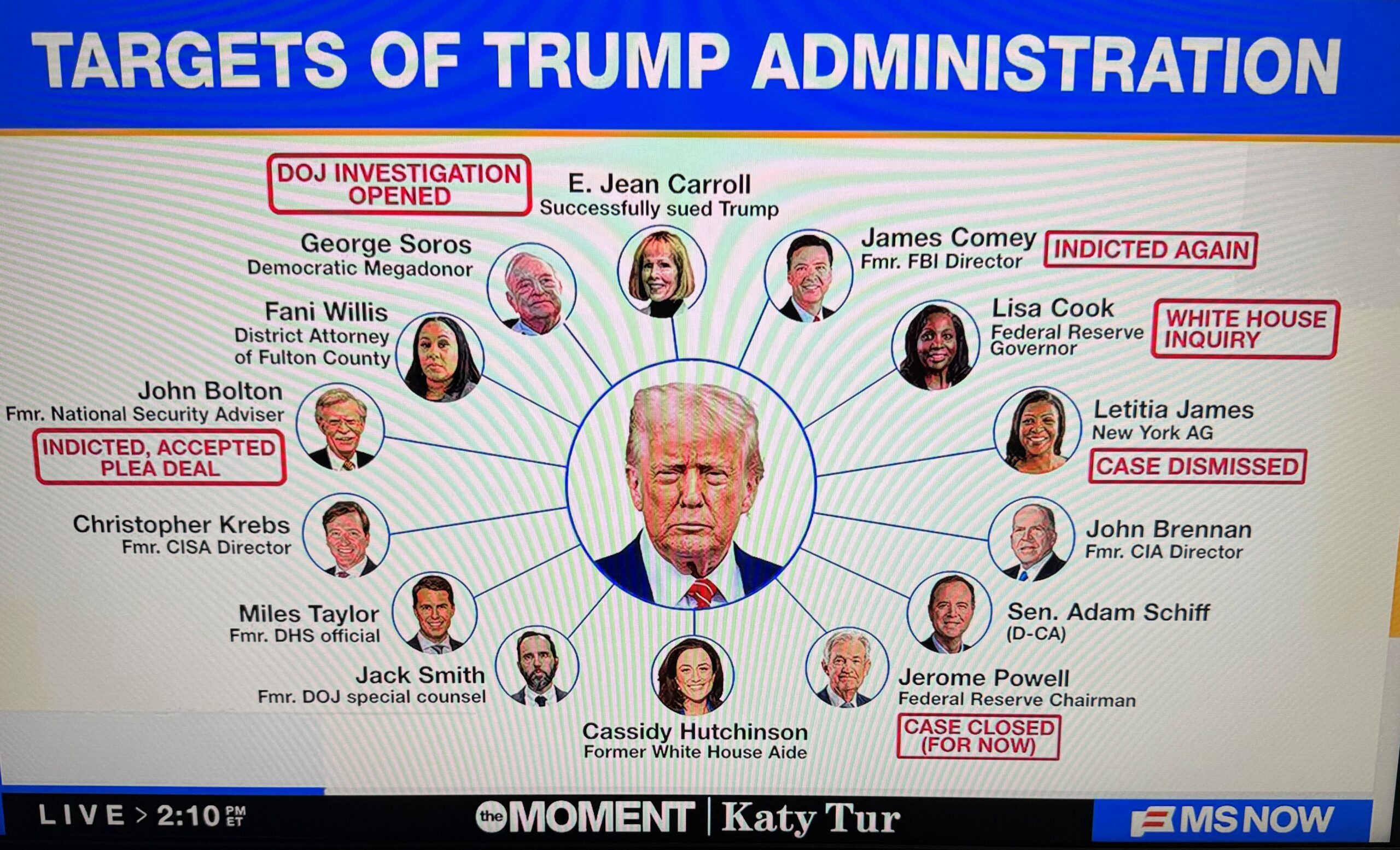
All The President’s Targets
October 13, 2026
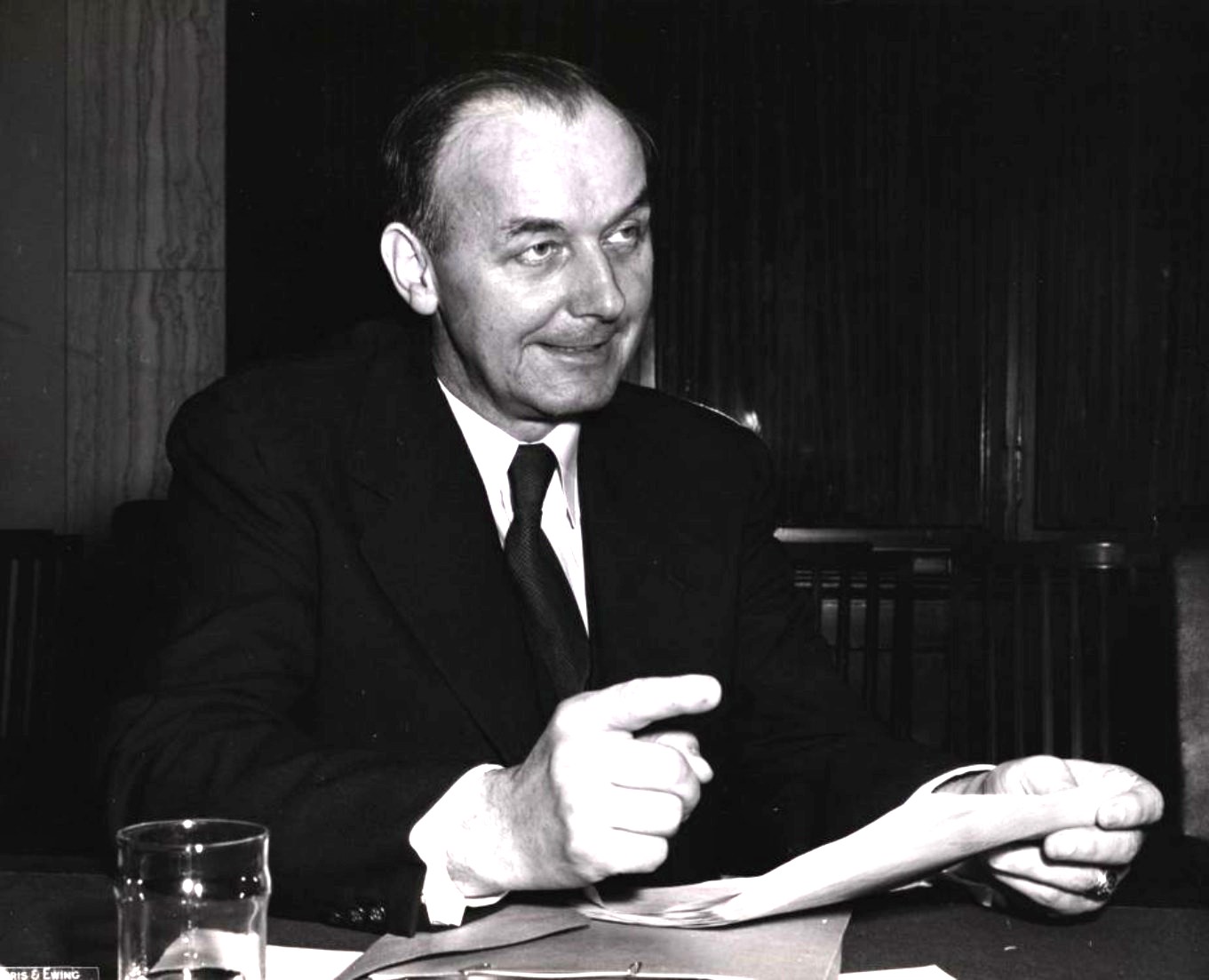
Integrity Doesn’t Require a Megaphone
October 12, 2026
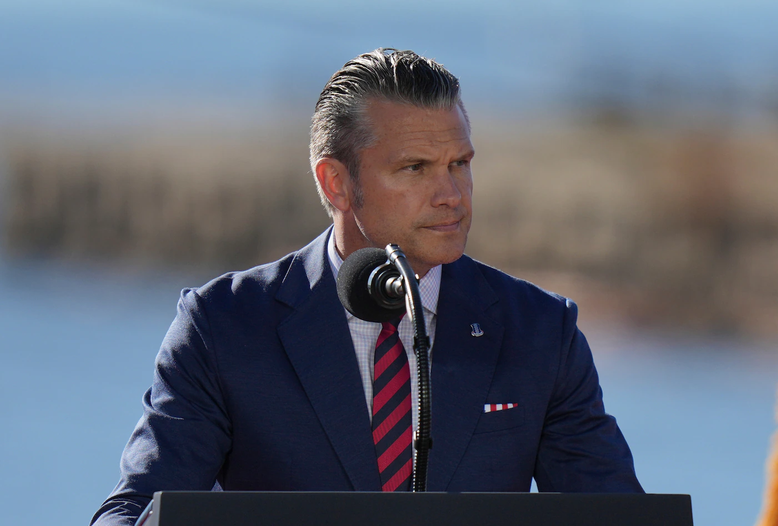
WHOSE PURPOSE DOES THIS SERVE?
October 9, 2026

Choreographer of Disaster
October 5, 2026
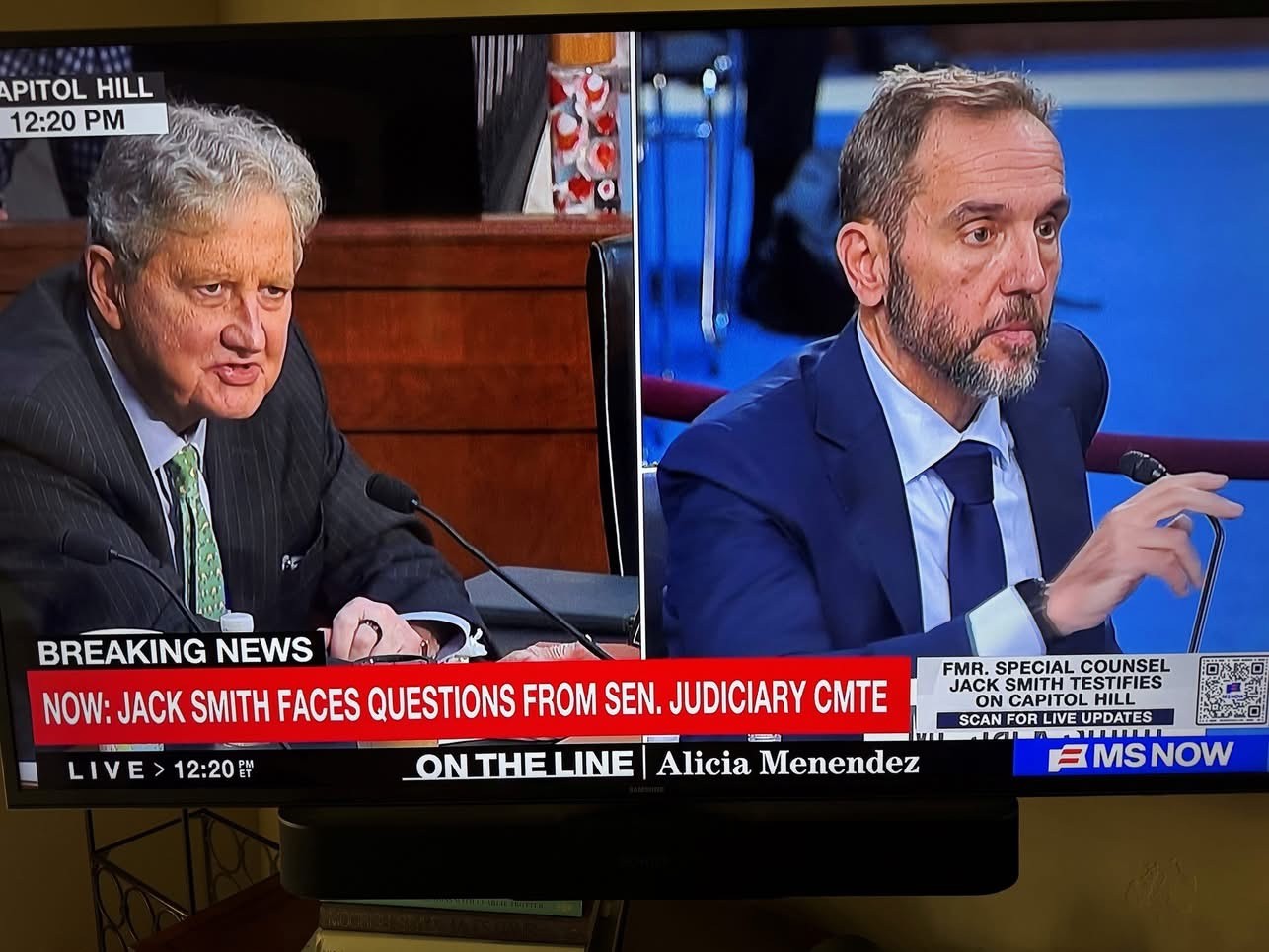
I Am Not a Politician, and I Have No Partisan Loyalties
October 2, 2026
A Man of Incorruptible Integrity
September 29, 2026

HUMAN VALUES: NOT SPECIFIED
September 23, 2026
You Can’t Do That.
September 21, 2026
Read More Articles
The Latest... And Sometimes Greatest
I AM SICKENED
Tonight, protesters are surrounding the Kennedy Center, the living memorial to John F. Kennedy and the heartbeat of Washington’s cultural life. They are there because...
September 18, 2026
The Courage to Defend a Principle
In 1998, at the height of the Clinton-Lewinsky scandal, Secret Service Director Lewis Merletti was driving to work when a radio report stopped him cold....
September 17, 2026
The Better Angels Among Us
By all appearances, we are becoming less the land of the brave than the land of resentment. Every day is Groundhog Day: same arguments, same...
September 14, 2026
We Remember
On September 11, 2001, nearly 3,000 people were killed in terrorist attacks in New York, at the Pentagon, and aboard Flight 93 in Pennsylvania. More...
September 11, 2026
Mister Roberts!
One of my favorite movies is Mister Roberts, the 1955 comedy-drama set aboard the USS Reluctant in the Pacific during World War II. Henry Fonda...
September 8, 2026
Where’s the Character
In 1984, Wendy’s ran a television commercial featuring the redoubtable Clara Peller, staring at an enormous hamburger bun. Inside was a burger patty smaller than...
August 7, 2026