Published: January 20, 2026
By Jim Lichtman
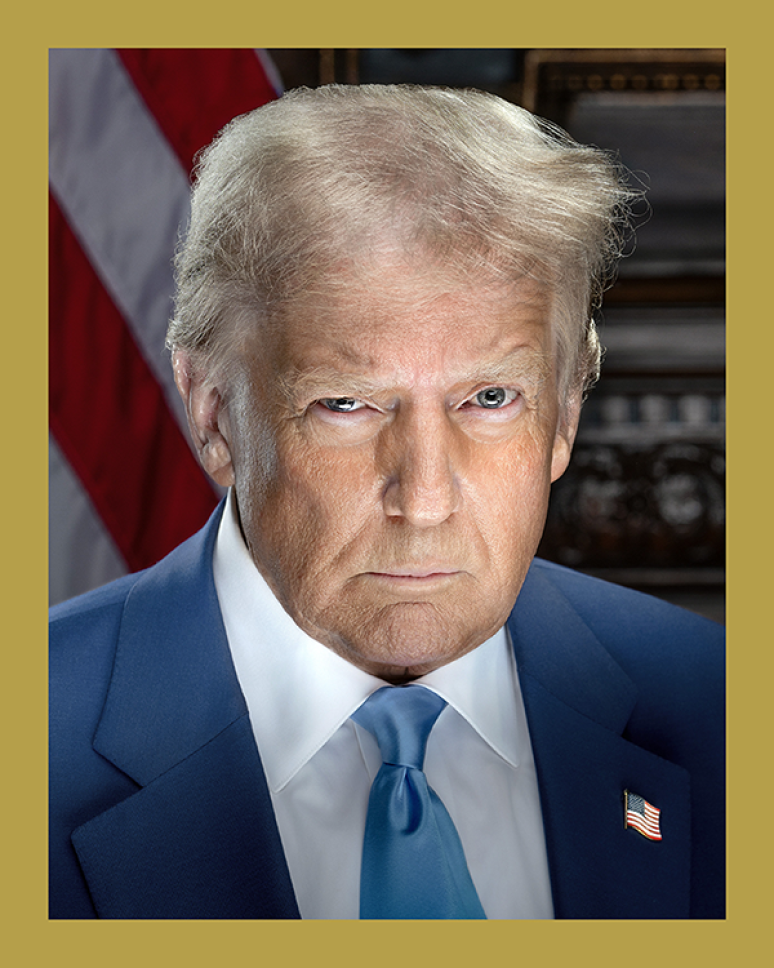
Official White House photo
Not long ago, I stopped watching the national news. I told myself I was stepping away from the noise and the churn for some peace of mind. But reading a daily paper doesn’t guarantee a complete sense of calm; it simply delivers the chaos in longer form: page after page of anger, violence, grievance, retribution, and my-way-or-the-highway governance.
It is nearly impossible to avoid the daily barrage of headlines about President Donald Trump: what he’s done, what he threatens to do, or what now bends around him.
Today marks one year since Trump was sworn in as president. This is what Americans have been living through.
Domestic Actions:
- Granted clemency to approximately 1,500 individuals charged or convicted in connection with the January 6, 2021 attack on the U.S. Capitol that we all witnessed.
- Fired or sidelined FBI and DOJ officials connected to January 6 investigations, including the abrupt dismissal of career prosecutors
- Continued to publicly deny losing the 2020 presidential election.
- Governed through a historically high volume of executive orders, including dozens on his first day back in office—actions largely supported by Republican leadership and now moving through an unsettled judicial process, with the Supreme Court determining the boundaries of presidential power as cases proceed.
- Cut, dismissed, or left vacant roughly 300,000 federal civil service positions, hollowing out institutional capacity.
- Weakened or dismantled Diversity, Equity, and Inclusion (DEI) initiatives—intended, as the title suggests, to broaden opportunity, promote fairness, and ensure that all Americans, regardless of political or religious affiliation, have a fair chance across the federal workforce and beyond.
- Restructured or downsized federal agencies, including significant reductions at USAID– the United States Agency for International Development–whose mandate is to provide humanitarian services, global health programs, food security, agriculture initiatives, respond to natural disasters and refugee emergencies, and promote democratic institutions, rule of law, and civil society.
- Paused most foreign aid programs pending review, a domestic decision with immediate global consequences: disrupting humanitarian relief, halting health and food assistance, and weakening U.S. credibility and influence in fragile regions.
- Rolled back environmental regulations, including emissions limits and climate enforcement, while threatening federal action against states pursuing renewable energy mandates.
- Expanded executive control over independent agencies, challenging long-standing norms of autonomy.
- Advanced sweeping deregulation affecting labor, finance, and consumer protection. (There are more links to specific groups targeted.)
- Pushed broad tariff authority from the White House, sidelining congressional oversight.
- Publicly attacked the press–(calling a female reporter “piggy.”)–universities (e.g. Harvard), and civil society organizations as enemies or corrupt institutions.
- Eliminated federal funding for PBS, silencing educational and investigative programming such as American Experience, Ken Burns documentaries, NOVA, Frontline, and PBS NewsHour
- Moved to defund Voice of America, weakening access to fact-based reporting in countries with limited press freedom.
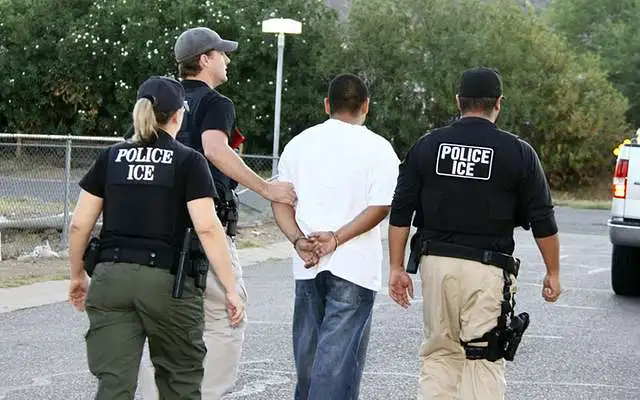
- In Minnesota, threatened to deploy federal forces after protests following a fatal ICE-involved shooting, while administration officials asserted that ICE agents possess federal immunity for actions taken in enforcement.
- Threatened to invoke the Insurrection Act in Minneapolis in response to continued protests regarding immigration-related arrests.
International Actions:
- Reduced U.S. support for NATO allies, straining long-standing security partnerships.
- Recalled or left vacant 30–40 ambassadorial and senior envoy posts across more than 25 countries, slowing diplomacy and crisis response.
- Withdrew the United States from the Paris Climate Agreement and promoted renewed coal production, sharply reducing U.S. leadership on climate change and related global health initiatives; climate scientists widely agree that coal combustion is a leading source of greenhouse gas emissions.
- Threatened military action against Iran, tying it to internal unrest and regional instability. This marks a shift from his campaign promises.
- Signaled openness to authoritarian and nationalist governments while distancing democratic allies.
- Advocated U.S. annexation of Greenland on national security grounds, suggesting it could be done “the easy way or the hard way.”
- After U.S. forces captured Venezuelan President Nicolás Maduro, declared the United States would “run” Venezuela during a transition, including overseeing oil production and involving U.S. energy companies.
The question is no longer what Donald Trump will do next. The question is when Congressional Republicans will honor the oath they swore—to the Constitution and all Americans—and act before the damage becomes irreversible.
Comments
Recent Commentaries
Year One
January 20, 2026
Removed
January 18, 2026
Clarence Darrow’s Warning to a Tired Democracy
January 15, 2026
Accountability, Optional
January 12, 2026
My Dinner with Jefferson, Hamilton and Madison
January 8, 2026

When the Story Becomes the Scandal
January 5, 2026
A Light from Christmas Past – Conclusion
December 24, 2025
A Light From Christmas Past – Part II
December 23, 2025
A Light from Christmas Past
December 22, 2025
Nothing Beside Remains
December 16, 2025
Read More Articles
The Latest... And Sometimes Greatest
Finding Common Ground, and Why It Matters
A national media organization has recognized the seriousness of our political division and offered something we’ve been missing… A REAL beginning toward ending the death...
December 15, 2025
What Dickens Meant Us to Remember
Every December, I look forward to reading and watching Dickens’ A Christmas Carol. While there are countless versions of the classic, I always return to...
December 11, 2025
Looking for America’s Soul
“At what point then is the approach of danger to be expected? I answer, if it ever reach us, it must spring up amongst us;...
December 8, 2025
Here We Are Again
CONTEMPT—Raw, in-your-face, unapologetic, and morally bankrupt. Every so often, the country reaches a point where character is not an abstraction but a requirement. We’re in...
December 5, 2025
The Steady Endurance of Leadership
I recently read about a group of explorers who located a ship deep beneath the dark, cold waters off Antarctica: a vessel whose very name...
December 1, 2025
Under the Wild Sky, We Gather
Wisconsin’s night sky opened to a rare sight, one usually reserved for places far colder and farther north—the Northern Lights. The colors pulled against each...
November 27, 2025