Published: April 19, 2022
By Jim Lichtman
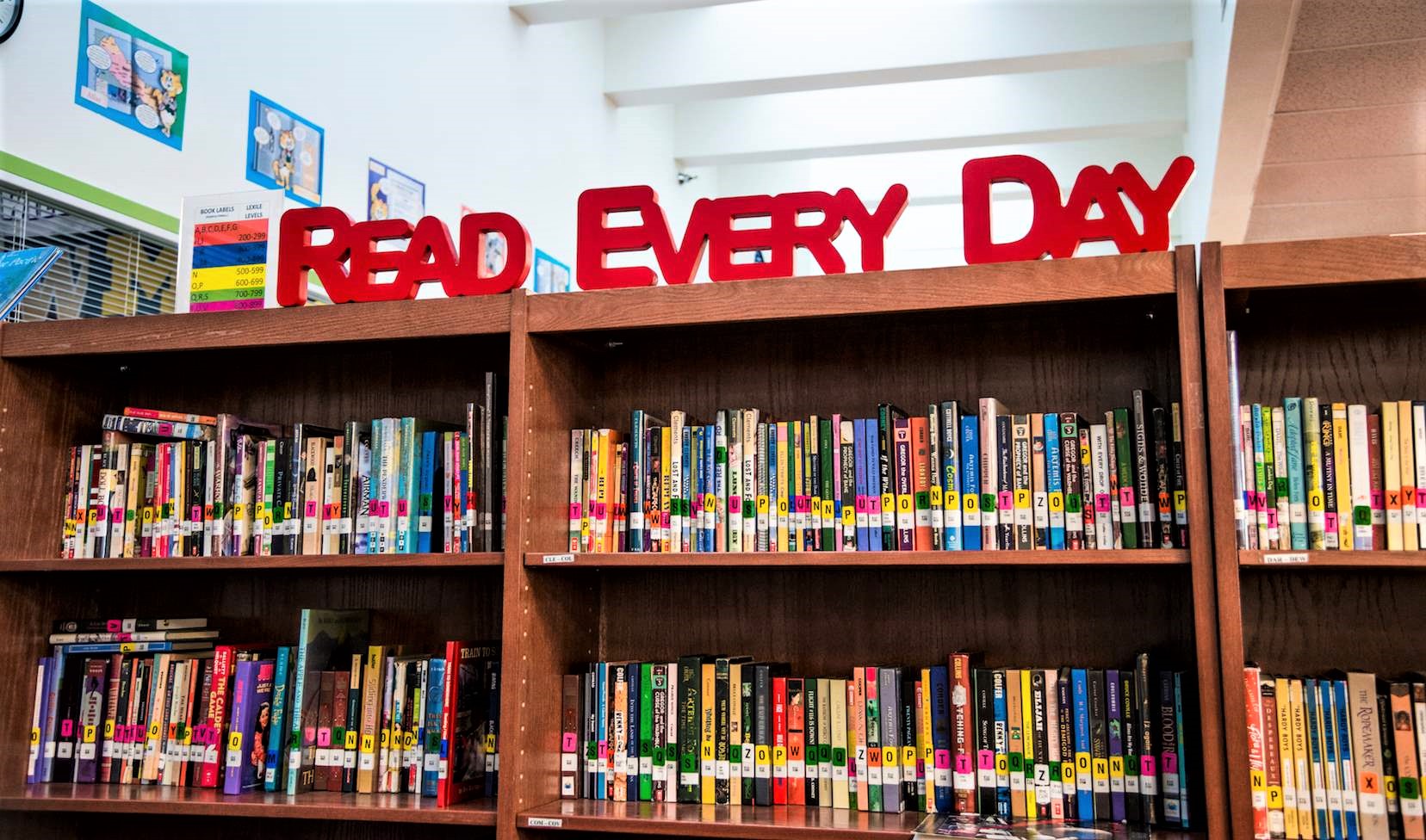
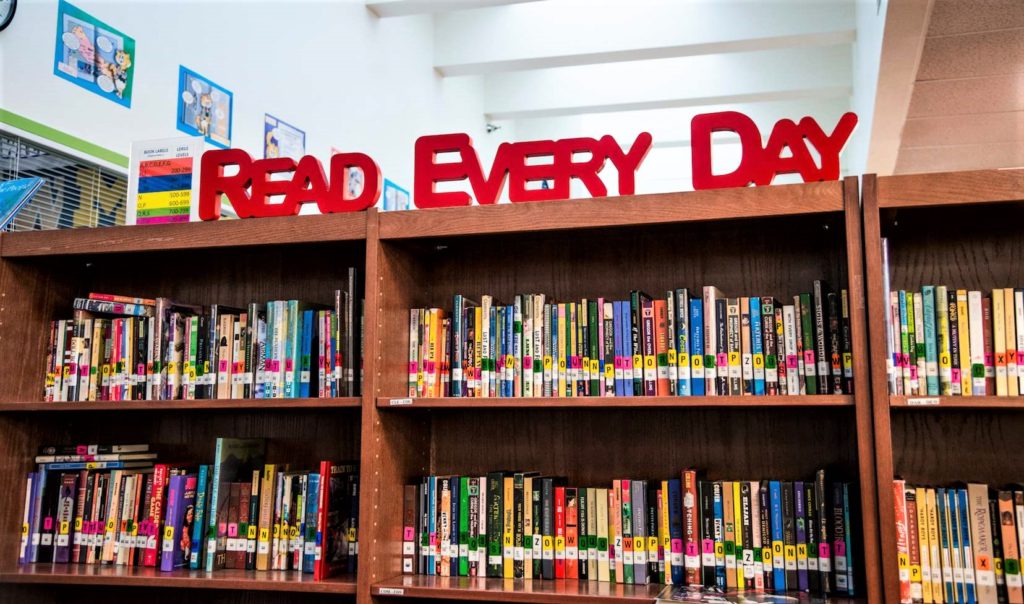
Schools and community libraries have now become battlegrounds for political division. Fearing backlash from parents, school officials have quietly been removing books from libraries that discuss race, gender and LGBTQ identities.
“A growing number of communities across America where conservatives have mounted challenges to books and other content related to race, sex, gender and other subjects they deem inappropriate,” The Washington Post writes. “Conservative activists in several states, including Texas, Montana and Louisiana have joined forces with like-minded officials to dissolve libraries’ governing bodies, rewrite or delete censorship protections, and remove books outside of official challenge procedures.”
Last November, The American Library Association pushed back against the “widespread effort to ban books.”
“In recent months, a few organizations have advanced the proposition that the voices of the marginalized have no place on library shelves. To this end, they have launched campaigns demanding the censorship of books and resources that mirror the lives of those who are gay, queer, or transgender or that tell the stories of persons who are Black, Indigenous, or persons of color.
“Falsely claiming that these works are subversive, immoral, or worse, these groups induce elected and non-elected officials to abandon constitutional principles, ignore the rule of law, and disregard individual rights to promote government censorship of library collections. Some of these groups even resort to intimidation and threats to achieve their ends, targeting the safety and livelihoods of library workers, educators, and board members who have dedicated themselves to public service, informing our communities, and educating our youth.
“ALA strongly condemns these acts of censorship and intimidation.”
“‘The danger is that we start to have information and books that only address one viewpoint that are okayed by just one certain group,’ said Mary Woodward, president-elect of the Texas Library Association,” told the Post.
“‘We lose that diversity of thought and diversity of ideas libraries are known for — and only represent one viewpoint that is the loudest,’ said Woodward, noting that there have been an estimated 17 challenges leveled at public libraries in Texas recently and that she expects many more.
“Leila Green Little, a parent and board member of the Llano County Library System Foundation, said her anti-censorship group obtained dozens of emails from county officials that reveal the outsize influence a small but vocal group of conservative Christian and tea party activists wielded over the county commissioners to reshape the library system to their own ideals.”
In contrast, Fox News broadcast “Patriot Purge,” a three-part documentary by Tucker Carlson that PolitiFact, the non-profit fact-checking organization stated, “floated several conspiracy theories about Jan. 6, including that the violence was instigated by left-wing activists, that it may have been an FBI-led false flag, and that the government is using it to strip millions of Trump voters of their constitutional rights.”
“Carlson’s series,” PolitiFact adds, “recycled a long-debunked conspiracy theory about Jan. 6, with interviewees claiming they saw left-wing instigators ‘changing clothes’ and ‘goading members of the crowd,’ and with Carlson himself wondering aloud whether ‘other agitators (were) there that day.’”
After the series aired, I don’t recall any noise from conservatives concerning the impact of Carlson’s lies on youth or communities. Had there been an outcry, Carlson and his supporters would be screaming about their First Amendment rights.
January 6 and the perpetuation of false information is an example of individuals who have effectively closed their minds to the truth, who instead, allow themselves to be schooled in hate and agitation and choose to live in a self-imposed pit of fear and anger.
The power of education cannot be overvalued. It opens our minds to new thoughts and ideas. You don’t have to agree with everything you read. However, if we allow the loudest voices to determine what we can or cannot read in schools and public libraries, we are robbing ourselves and our children of gaining the wisdom necessary to move the country forward.
Comments
Recent Commentaries
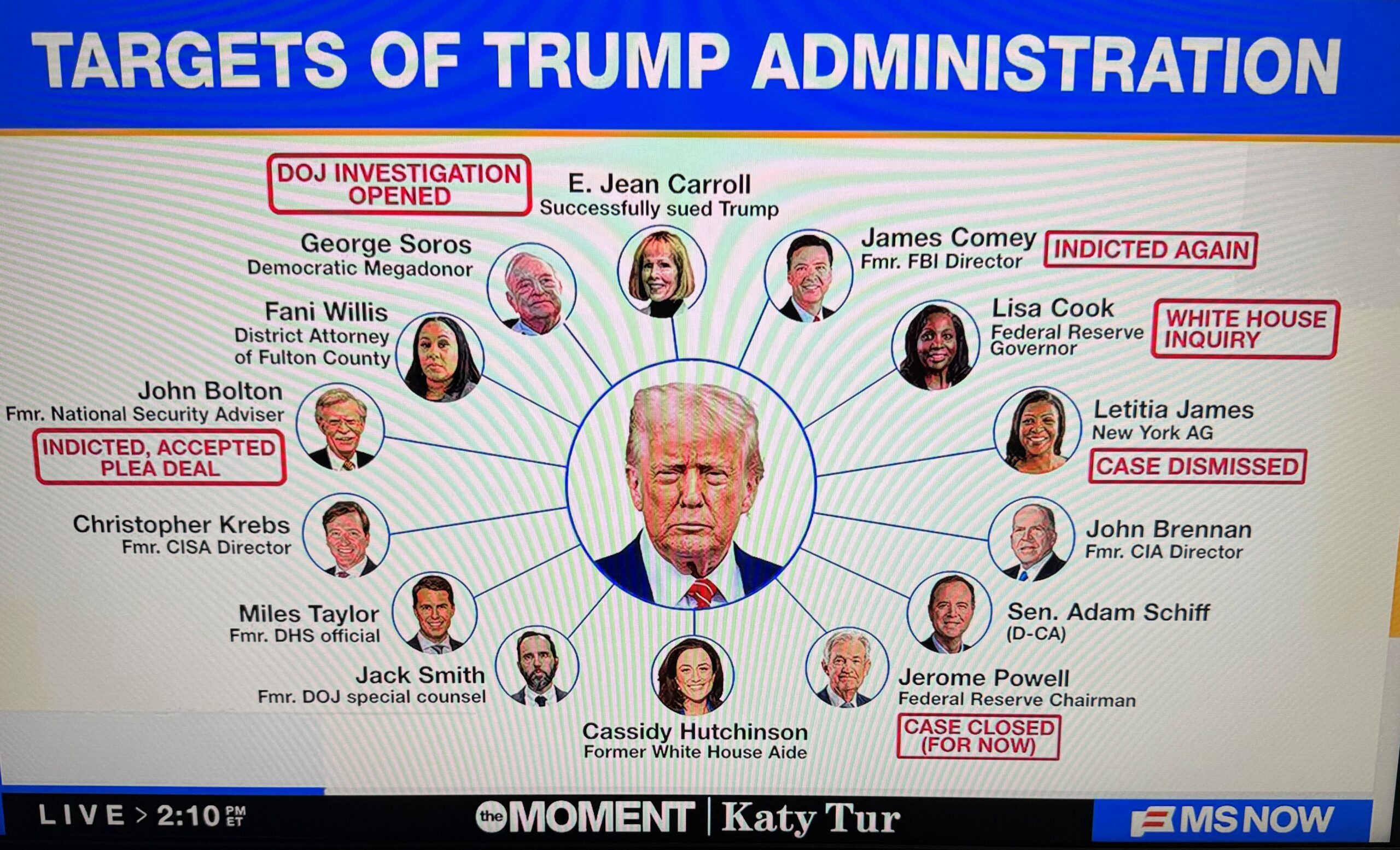
All The President’s Targets
October 13, 2026
Integrity Doesn’t Require a Megaphone
October 12, 2026
WHOSE PURPOSE DOES THIS SERVE?
October 9, 2026
Choreographer of Disaster
October 5, 2026
I Am Not a Politician, and I Have No Partisan Loyalties
October 2, 2026
A Man of Incorruptible Integrity
September 29, 2026
HUMAN VALUES: NOT SPECIFIED
September 23, 2026
You Can’t Do That.
September 21, 2026
I AM SICKENED
September 18, 2026
The Courage to Defend a Principle
September 17, 2026
Read More Articles
The Latest... And Sometimes Greatest
The Better Angels Among Us
By all appearances, we are becoming less the land of the brave than the land of resentment. Every day is Groundhog Day: same arguments, same...
September 14, 2026
We Remember
On September 11, 2001, nearly 3,000 people were killed in terrorist attacks in New York, at the Pentagon, and aboard Flight 93 in Pennsylvania. More...
September 11, 2026
Mister Roberts!
One of my favorite movies is Mister Roberts, the 1955 comedy-drama set aboard the USS Reluctant in the Pacific during World War II. Henry Fonda...
September 8, 2026
Where’s the Character
In 1984, Wendy’s ran a television commercial featuring the redoubtable Clara Peller, staring at an enormous hamburger bun. Inside was a burger patty smaller than...
August 7, 2026
It Was Important Then. It is Important Today
Freedom of speech in America is under attack, not only when people are denied the right to speak, but when lies, intimidation and the deliberate...
August 3, 2026
When Political Identity Replaces Ethical Judgment
The political and cultural landscape has become a minefield of conflicting beliefs, many now rooted less in public policy than in personal identity. One of...
July 31, 2026