Published: February 26, 2026
By Jim Lichtman
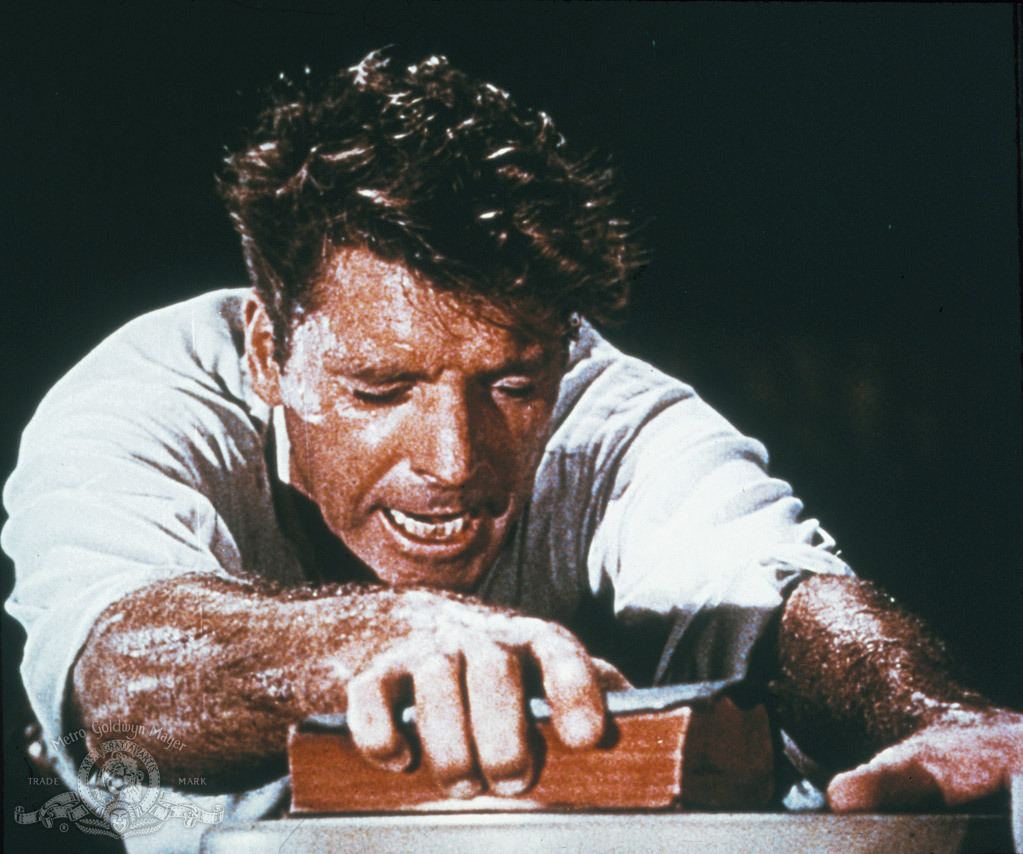
In 1927, Sinclair Lewis gave America a character it did not want to recognize in the mirror: Elmer Gantry.
Gantry is loud, magnetic, insatiable — a sinner with a capital “S.” He does not discover faith; he discovers its usefulness. He learns that fear, properly stirred, can fill a sanctuary. Redemption, properly marketed, can build an empire.
Gantry bellows and sweats. He thunders about sin. He calls for repentance with a finger pointed outward, not toward a scapegoat, but toward his congregation.
“Search your hearts,” he demands.
He does not relieve them of guilt. He intensifies it. He understands that fear is a currency. Feed it, and it multiplies. Convince people that the danger lies within, in their weakness, their moral compromise, and they will cling to the loudest voice promising purification.
He tells them they are the problem, then he offers himself as the cure.
The remarkable thing about Gantry is not that he sins. It is that he sins without consequence in the eyes of those who adore him. His vanity becomes strength, piety becomes performance, and his faith becomes manipulation.
He does not need to be virtuous. He needs only to perform virtue convincingly enough that others suspend disbelief.
And they do.
Lewis was not merely satirizing a corrupt preacher. He was exposing a recurring temptation, the seduction of power cloaked in righteousness. The leader who declares moral decay everywhere but in himself. The voice that substitutes volume for virtue and spectacle for substance.
Crowds gather not because they are foolish, but because certainty is comforting. Because anger feels powerful. Because spectacle is easier than conscience.
The tragedy in Elmer Gantry is not that such a man exists. Men like him have always existed. The tragedy is that language is twisted, and faith itself is recruited into the service of ego.
When Scripture shields appetite, and the altar serves ambition, something sacred is not being practiced; it is being corrupted.
Revelation, in the biblical sense, means unveiling.
What Lewis unveiled nearly a century ago was not simply a fraudulent preacher. He revealed something about us: our willingness to confuse confidence with character.
“And he deceiveth them that dwell on the earth…” — Revelation.
The enduring danger is not only the deceiver. It is the willingness to be deceived.
We have seen this pattern before. The leader who declares the nation fallen and himself uniquely chosen to restore it. The man who speaks of strength while demanding loyalty. Who treats criticism as heresy. Who turns grievance into gospel and applause into absolution.
He does not ask for humility. He asks for allegiance.
He does not model repentance. He demands it from others.
And crowds gather. Not because history failed to warn us, but because the warning is always easier to recognize in hindsight than in the present moment, when character no longer matters and spectacle substitutes for substance. That’s the moment a democracy begins to bargain with its own conscience.
That is not merely a literary lesson. It is a civic one.
Comments


Recent Commentaries
The Story of Chips, and The Cost of Looking Away
February 23, 2026

It’s Time to Talk About Respect
February 18, 2026

Adversity and Perseverance
February 16, 2026

Who Decides What’s Seen?
February 12, 2026
The Death of Shame
February 9, 2026

Because We Need It
February 5, 2026
Why George Marshall Still Matters
February 2, 2026
The Most Sacred Thing
January 29, 2026
THIS Cannot Be Ignored
January 25, 2026

Year One
January 20, 2026
Read More Articles
The Latest... And Sometimes Greatest
Removed
First an update: Not long ago, 60 Minutes, the CBS news program, pulled a segment a few hours before it was set to air. The...
January 18, 2026
Clarence Darrow’s Warning to a Tired Democracy
I first read Clarence Darrow for an American Jurisprudence class in college and have returned to his work several times since. He is widely regarded...
January 15, 2026
Accountability, Optional
On October 7, 2025, Pam Bondi, the nation’s chief law enforcement officer, appeared before a Senate oversight committee and refused to answer question after question,...
January 12, 2026
My Dinner with Jefferson, Hamilton and Madison
In June 1790, I attended an extraordinary dinner. Through a tear in the fabric of time, I found myself seated at a small table with...
January 8, 2026
When the Story Becomes the Scandal
For nearly sixty years, the CBS News program 60 Minutes has stood as one of the few remaining institutions in American journalism recognized as serious,...
January 5, 2026
A Light from Christmas Past – Conclusion
I’ll be back on January 5th. Later that night, Emily returned home, warmed her hands around a cup of tea, and set the original lantern...
December 24, 2025