Published: December 17, 2020
By Jim Lichtman
In the Contemporary Ethics class held at the New Hampshire Technical Institute where I assist in teaching, the one value I spend the greatest amount of time discussing is the most vital, Trust. Vital because of the number of the additional values that are essential.
Using the Josephson Institute’s list of core ethical values, trust encompasses four separate values: Honesty – in communication and behavior; Integrity – moral wholeness, and consistency between principle and practice; Promise-keeping – the responsibility of making all reasonable efforts to fulfill commitments; and Loyalty – ethical obligations involved in relationships which create an expectation of allegiance, fidelity and devotion. However, one caveat to Loyalty: no one has a right to ask another to compromise his or her own integrity in the name of loyalty.
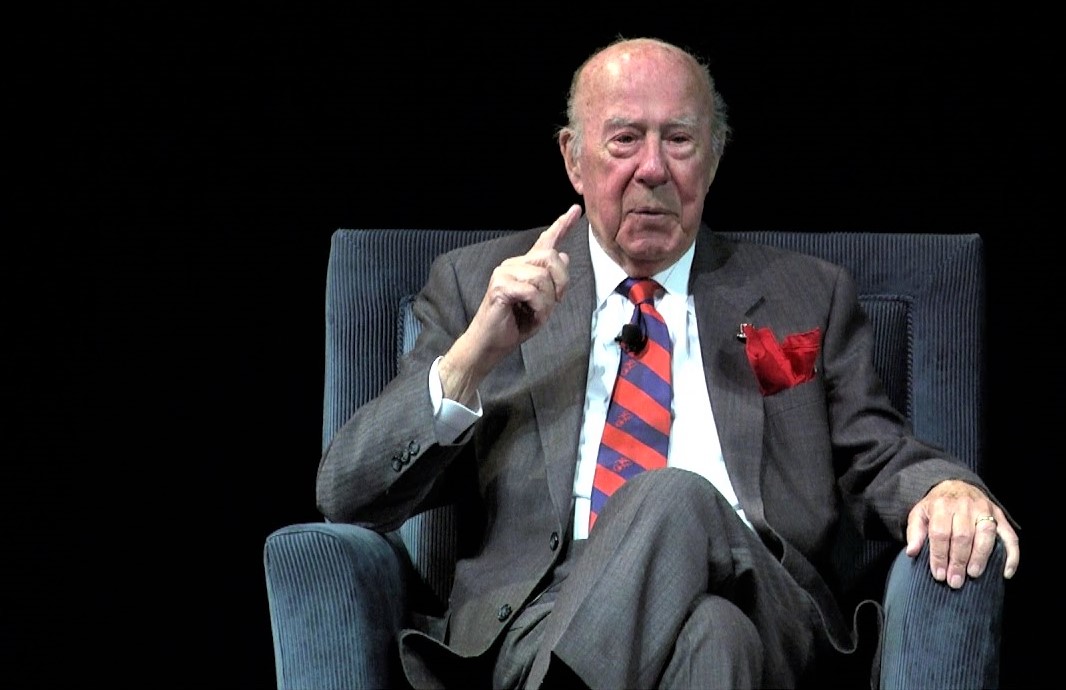
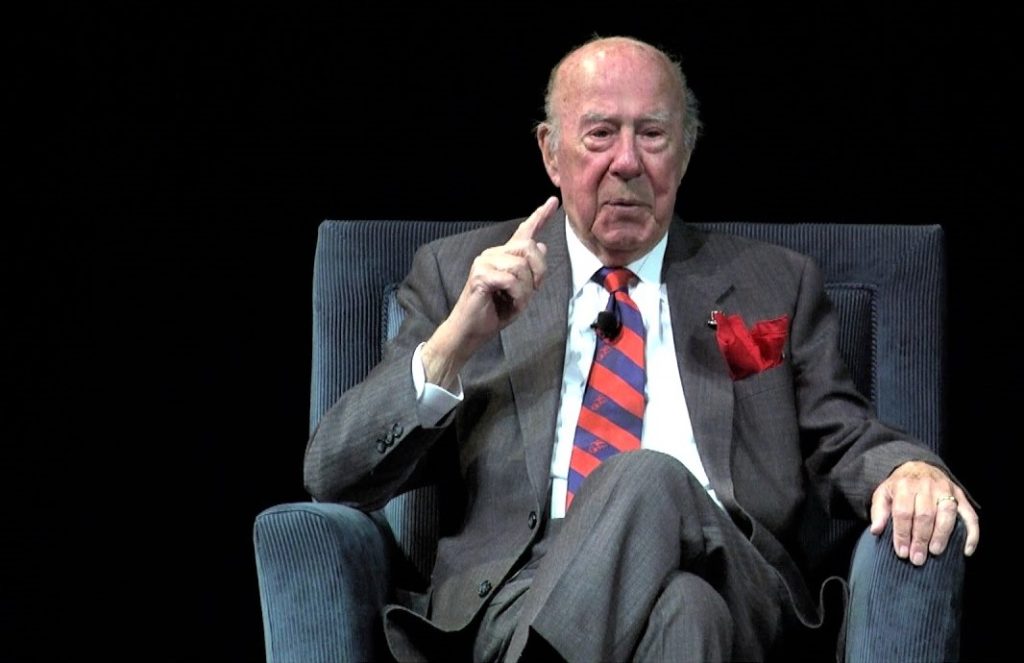
As I discovered in a Washington Post story (Dec. 11), trust has been an essential value to former Secretary of State, George Schultz.
“There is one lesson I learned early,” Schultz writes, “and then relearned over and over: Trust is the coin of the realm. When trust was in the room, whatever room that was — the family room, the schoolroom, the locker room, the office room, the government room or the military room — good things happened. When trust was not in the room, good things did not happen. Everything else is details.”
Schultz offers several key examples from his own life. Here are a few.
“During World War II, I served in the Pacific theater in a Marine outfit that included a sergeant named Palat. I have forgotten his first name, but I have never forgotten the respect and admiration — the deep-seated trust — that he inspired. When Palat was killed in action, it brought home to me, more than ever, how pitiless war can be. Later in life, I thought about the loss of this trusted, beloved sergeant when I advised President Ronald Reagan about military action: Make sure it is just, I said — and equip the troops for victory.
“As a graduate student at MIT in the late 1940s, I worked with Joe Scanlon, a former research director for the United Steelworkers union. He would visit steel plants where costs were out of control and rearrange their practices, giving workers a voice in how their jobs were set up and, in many cases, a chance to receive a bonus based on increased productivity. This was later called the Scanlon Plan. I saw how Joe rebuilt bonds of trust between the workers and management that had been frayed or broken. Ultimately, both sides benefited, as did the country.
“One day, as secretary of state in the Reagan administration, I brought a draft foreign policy speech to the Oval Office for Reagan to review. He read the speech and said, ‘That’s fine,’ but then began marking it up. In the margin on one page, he wrote ‘story.’ I asked what he meant. ‘That’s the most important point,’ he said. Adding a relevant story will ‘engage your readers. That way, you’ll appeal not only to their minds but to their emotions.’ Telling a story, he made me understand, helps make your case in a way that no abstraction can: A story builds an emotional bond, and emotional bonds build trust.
“Reagan brought his own ideas about trust to Cold War adversarial relations. He nurtured a trusting relationship with Soviet General Secretary Mikhail Gorbachev, one that basically helped to eliminate intermediate-range nuclear weapons. Reagan’s famous formulation: Trust, but verify. The agreement was self-bolstering, because successful verification enhanced the sense of trust, and greater trust promoted verification.”
Schultz well understood that trust was important in all personal relationships, which in turn led him to be a Secretary of State who could be trusted by both allies and adversaries.
“Trust is fundamental, reciprocal and, ideally, pervasive,” Schultz adds. “If it is present, anything is possible. If it is absent, nothing is possible.”
Can I have an amen?
Comments
Leave a Comment
Recent Commentaries

Has America Lost Its Way?
October 16, 2026
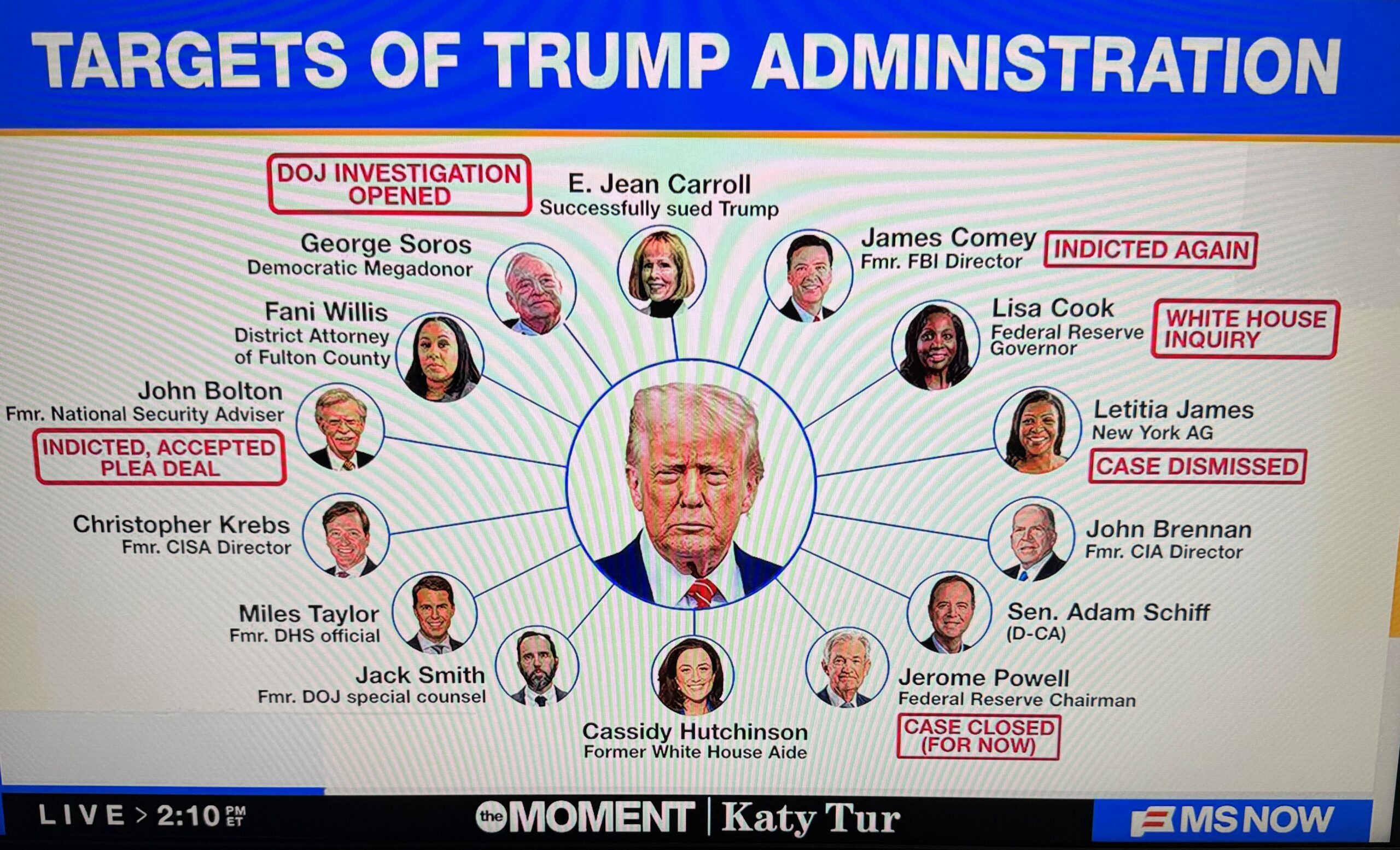
All The President’s Targets
October 13, 2026
Integrity Doesn’t Require a Megaphone
October 12, 2026
WHOSE PURPOSE DOES THIS SERVE?
October 9, 2026

Choreographer of Disaster
October 5, 2026
I Am Not a Politician, and I Have No Partisan Loyalties
October 2, 2026
A Man of Incorruptible Integrity
September 29, 2026

HUMAN VALUES: NOT SPECIFIED
September 23, 2026
You Can’t Do That.
September 21, 2026
I AM SICKENED
September 18, 2026
Read More Articles
The Latest... And Sometimes Greatest
The Courage to Defend a Principle
In 1998, at the height of the Clinton-Lewinsky scandal, Secret Service Director Lewis Merletti was driving to work when a radio report stopped him cold....
September 17, 2026
The Better Angels Among Us
By all appearances, we are becoming less the land of the brave than the land of resentment. Every day is Groundhog Day: same arguments, same...
September 14, 2026
We Remember
On September 11, 2001, nearly 3,000 people were killed in terrorist attacks in New York, at the Pentagon, and aboard Flight 93 in Pennsylvania. More...
September 11, 2026
Mister Roberts!
One of my favorite movies is Mister Roberts, the 1955 comedy-drama set aboard the USS Reluctant in the Pacific during World War II. Henry Fonda...
September 8, 2026
Where’s the Character
In 1984, Wendy’s ran a television commercial featuring the redoubtable Clara Peller, staring at an enormous hamburger bun. Inside was a burger patty smaller than...
August 7, 2026
It Was Important Then. It is Important Today
Freedom of speech in America is under attack, not only when people are denied the right to speak, but when lies, intimidation and the deliberate...
August 3, 2026
Amen!
Shall I write more? Interesting that you NEEDED to write about personalities 762x, responsibility 580x and Accountability 559x! Wow–we NEED you, Jim. Thanks