Published: November 3, 2025
By Jim Lichtman
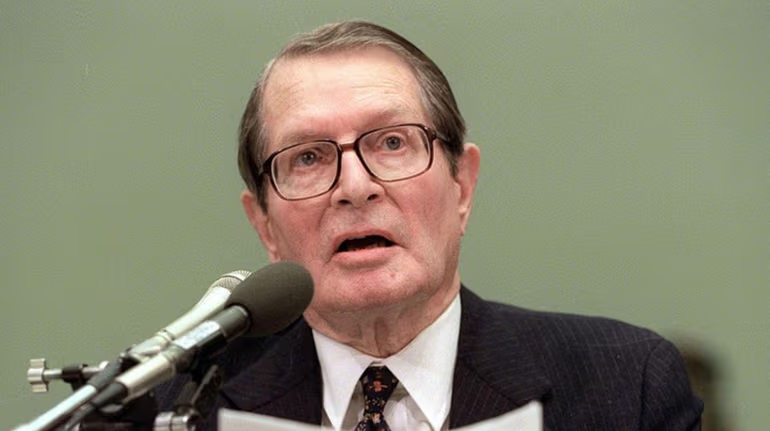
“Republicans won’t speak out against Trump because they’re afraid, politically.”
The measure of a public servant isn’t how tightly they hold onto power, but how faithfully they hold their integrity when the pressure to bend is greatest. Few can withstand the pressure; fewer still have the character and courage to act.
In October 1973, amid the growing Watergate scandal, Attorney General Elliot Richardson faced a test that would ultimately define his life and reaffirm a timeless truth: The Rule of Law Survives Only When Conscience Stands Guard.
Richardson was a man who believed action mattered more than show. A Harvard-educated lawyer and a lifelong Republican, he believed in the process and responsibility of his position. When Congress confirmed him as Attorney General, he was tasked with appointing a special prosecutor to investigate the Watergate scandal. He agreed, but only after making one clear promise: that the prosecutor would be free to pursue the evidence wherever it led.
For Richardson, that promise was non-negotiable.
The nation was already shaken by revelations of political espionage and corruption at the highest levels. Richardson understood that if the investigation were to have any meaning, it had to remain independent, even from the president.
But as the pressure on Richard Nixon intensified, so did the president’s desperation. Nixon ordered Richardson to fire Special Prosecutor Archibald Cox, who had subpoenaed the White House tapes. Richardson refused. He reminded the president of his commitment to Congress and the country. When Nixon repeated the order, Richardson chose to resign rather than break his word.
“I could not in good conscience carry out that instruction,” he later said.
Deputy Attorney General William Ruckelshaus also refused and resigned. Finally, Solicitor General Robert Bork, next in line, complied and fired Cox.
The press called it “The Saturday Night Massacre,” and it shook the country deeply. But beneath the chaos was an act of quiet clarity: two men placing conscience above a command from a president. Richardson and Ruckelshaus reminded the nation that the Constitution depends not on loyalty to power but on loyalty to principle.
Elliot Richardson’s resignation was an act of faith. Faith in the law. Faith in the idea that public service means more than holding office; it means holding fast to what’s right when it matters most and the cost is high.
In an age when expedience often outruns ethics, Richardson’s example endures. He walked away from his post to preserve something far greater than a title: his honor.
Comments
Recent Commentaries
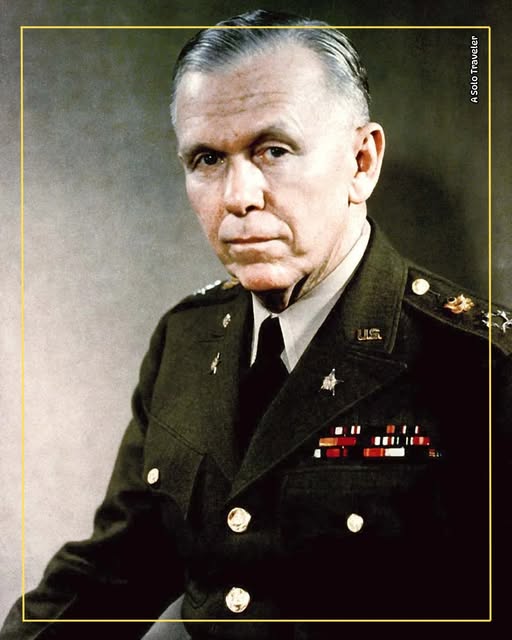
Why George Marshall Still Matters
February 2, 2026
The Most Sacred Thing
January 29, 2026
THIS Cannot Be Ignored
January 25, 2026

Year One
January 20, 2026

Removed
January 18, 2026
Clarence Darrow’s Warning to a Tired Democracy
January 15, 2026
Accountability, Optional
January 12, 2026
My Dinner with Jefferson, Hamilton and Madison
January 8, 2026

When the Story Becomes the Scandal
January 5, 2026

A Light from Christmas Past – Conclusion
December 24, 2025
Read More Articles
The Latest... And Sometimes Greatest
A Light From Christmas Past – Part II
Emily returned to the attic the next evening. The attic felt different, not mysterious, purposeful. She unlocked the small door again and stood for a...
December 23, 2025
A Light from Christmas Past
In the winter of his century, Charles Dickens walked a London powered by industry but running short on warmth. People moved past one another as...
December 22, 2025
Nothing Beside Remains
I have stopped watching national news about Donald Trump because the coverage now mirrors the damage itself. What once informed now exhausts; what once clarified...
December 16, 2025
Finding Common Ground, and Why It Matters
A national media organization has recognized the seriousness of our political division and offered something we’ve been missing… A REAL beginning toward ending the death...
December 15, 2025
What Dickens Meant Us to Remember
Every December, I look forward to reading and watching Dickens’ A Christmas Carol. While there are countless versions of the classic, I always return to...
December 11, 2025
Looking for America’s Soul
“At what point then is the approach of danger to be expected? I answer, if it ever reach us, it must spring up amongst us;...
December 8, 2025