Published: September 17, 2024
By Jim Lichtman
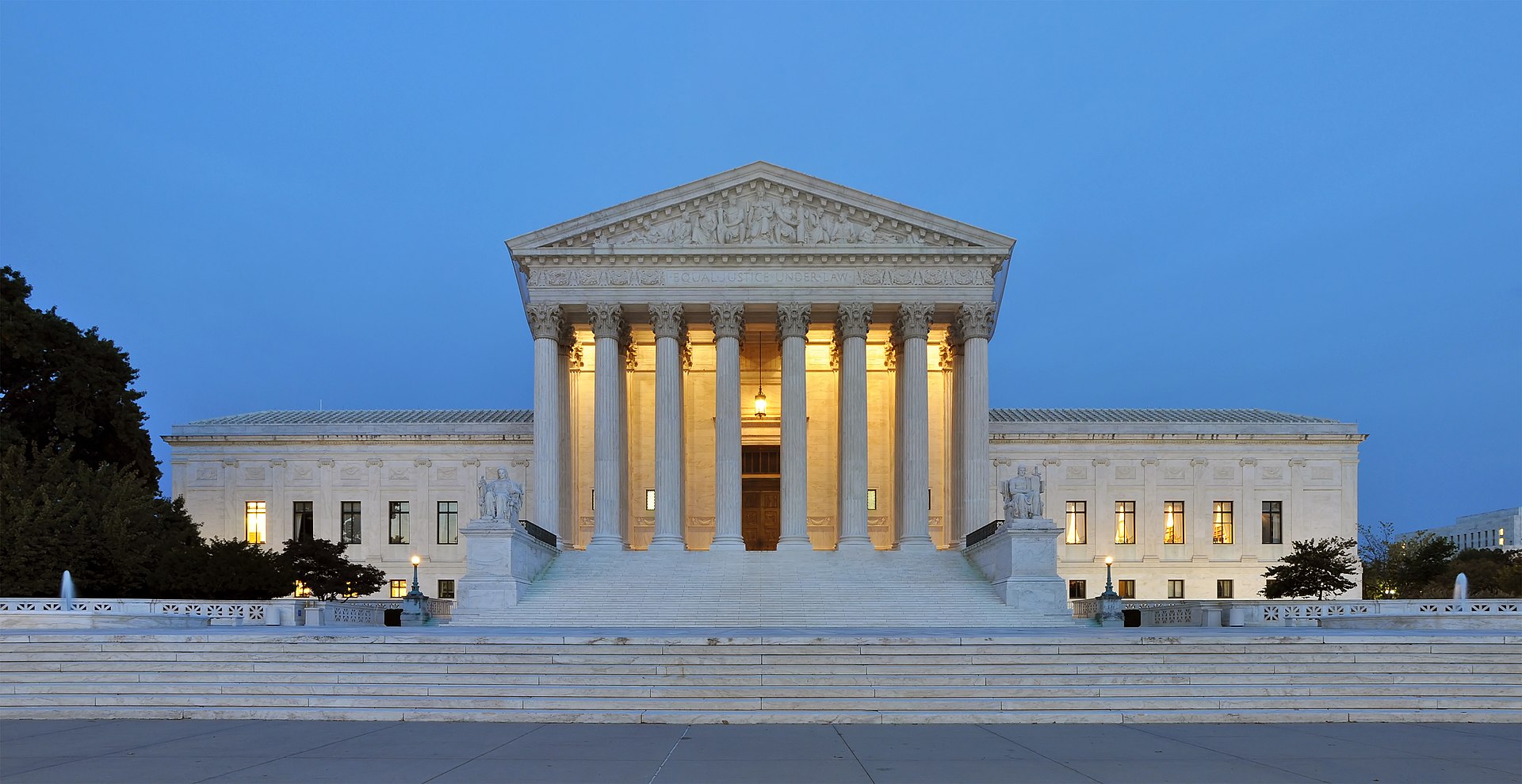

“A Judge Should Avoid Impropriety and the Appearance of Impropriety in all Activities.” –Canon 2, Code of Conduct for United States Judges
In 1969, Supreme Court Justice Abe Fortas was accused of financial misconduct for accepting a retainer from businessman Louis Wolfson, who had legal issues that could have come before the Court. Although Wolfson’s case never reached the Supreme Court, the appearance of a conflict of interest led to Fortas’s resignation. While Fortas removed himself from the court—essentially by shaming him—the court avoided the appearance of impropriety.
Today, shaming doesn’t work.
Justice Clarence Thomas has accepted gifts—many originally unreported—from wealthy benefactors whose interests could, at some point, reach the Supreme Court. Nonetheless, the issue isn’t just about whether these cases come before the Court. It’s about perception. When the public sees a potential conflict of interest, the integrity of the judiciary is compromised.
In 1987, 76 percent of Americans held a favorable view of the Supreme Court, according to Pew Research (Aug. 8, 2024). Today, that approval has dropped to 47 percent.
The House Committee investigating January 6 revealed that Ginni Thomas pressured officials to overturn the 2020 election results, despite the absence of evidence to support such claims. This has sparked concerns about a potential conflict of interest involving Justice Thomas.
Canon 2, (B) “A judge should not allow family, social, political, financial, or other relationships to influence judicial conduct or judgment. A judge should neither lend the prestige of the judicial office to advance the private interests of the judge or others nor convey or permit others to convey the impression that they are in a special position to influence the judge.”
Justice Thomas did participate in a case related to former President Donald Trump’s efforts to block the release of White House documents to the House committee investigating the January 6 attack. In January 2022, the Supreme Court rejected Trump’s request to block the release of those documents, and the decision was made with an 8-1 vote. Justice Thomas was the sole dissenting vote, meaning he supported Trump’s effort to keep the documents private.
Has the Supreme Court adopted the Code of Conduct for U.S. Judges?
No.
While the guidelines are crucial for maintaining integrity in the judiciary, the Supreme Court operates under its own set of internal standards and practices. Nevertheless, the core principles of the Code—such as impartiality and avoiding conflicts of interest—are expected to inform the conduct of Supreme Court justices, even if they are not formally bound by the same rules.
And here’s the kicker: Each Supreme Court justice assesses their own conduct to decide if they should recuse themselves from hearing a case with which they may have a connection. This sets up a double standard of ethics—one for the Supremes and another for all the federal judges they oversee. In other words, while lower court judges follow a specific code, the Supreme Court is self-regulated, creating a clear disparity in ethical oversight.
Justice Samuel Alito, another example, accepted luxury trips, including private jet travel and vacations, funded by wealthy donors who had potential interests before the Court. These trips were not disclosed in his financial reports, raising concerns about transparency and possible conflicts of interest. Additionally, his participation in events and discussions that align with his personal political views has created an appearance of bias, potentially affecting public perception of the Court’s neutrality.
During her time on the court, Justice Ruth Bader Ginsburg made critical public statements about political figures and presidential candidates. Although not a direct conflict, her comments raised concerns about the appearance of impartiality and whether such remarks could influence public perception of the Court’s objectivity.
Today, there are three branches of government: two have oversight, the third doesn’t.
Comments

Recent Commentaries
Same Price. Same War. Different Truth
March 25, 2026

Who Writes This Stuff: Jim or A.I.?
March 23, 2026
Loyalty vs. Conscience
March 19, 2026
When Will This Madness End!?
March 18, 2026

When Government Threatens the Truth
March 16, 2026

Separating Fact from Rhetoric
March 12, 2026

Lindsay Vonn’s Gold Medal Moment
March 12, 2026

Teaching an Algorithm Right from Wrong
March 9, 2026
Now, More Than Ever
March 6, 2026

Peace Is Not an Elective
March 2, 2026
Read More Articles
The Latest... And Sometimes Greatest
Revelations
In 1927, Sinclair Lewis gave America a character it did not want to recognize in the mirror: Elmer Gantry. Gantry is loud, magnetic, insatiable —...
February 26, 2026
The Story of Chips, and The Cost of Looking Away
It’s just a photograph: a wartime dog sitting alert, ears up, wearing a military harness. But the story about a World War II sentry dog...
February 23, 2026
It’s Time to Talk About Respect
A cancer has been growing in our national life, so embedded in our culture that we’ve stopped acknowledging it. In the 1940s and the decades...
February 18, 2026
Adversity and Perseverance
“How you climb a mountain is more important than reaching the top.”— Yvon Chouinard “Every new adjustment is a crisis in self-esteem”—Eric Hoffer “Retreat, Hell!...
February 16, 2026
Who Decides What’s Seen?
There are moments when a single arrest tells us more about the state of the country than a thousand speeches. The recent detention of Don...
February 12, 2026
The Death of Shame
Over the past several months, I’ve written commentaries revisiting moments in our history when individuals confronted serious challenges and rose to meet them — to...
February 9, 2026