Published: September 15, 2025
By Jim Lichtman
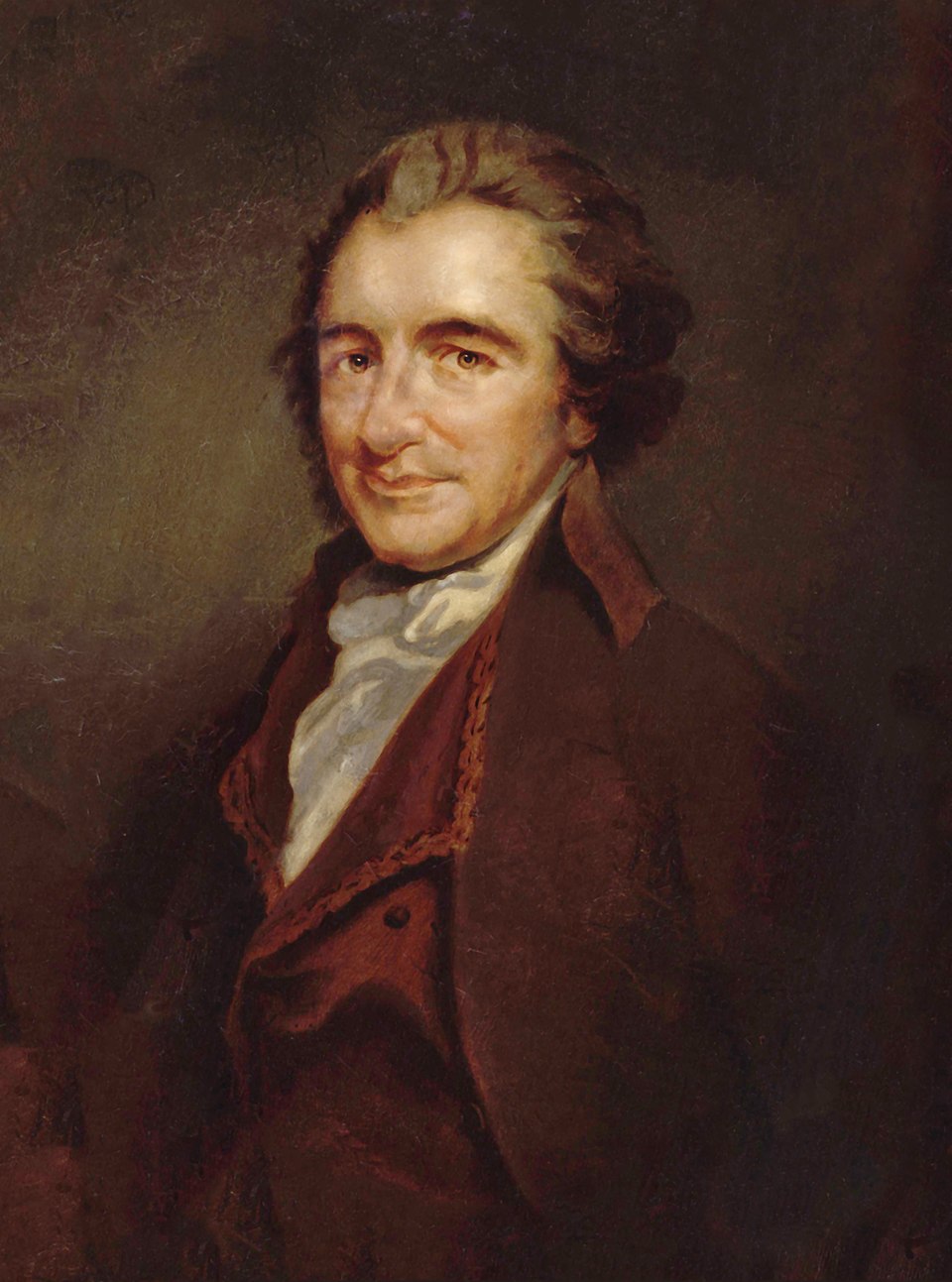
Painting by George Romney
French philosopher Voltaire once observed, “Common sense is not so common.” Thomas Paine trusted it anyway and helped inspire a revolution built on it.
In January 1776, Thomas Paine published Common Sense, a pamphlet that spoke in plain, direct language ordinary colonists could understand. English by birth, Paine became an extraordinary patriot. His words cut through chaos at one of the most critical moments in the nation’s founding.
He distrusted blind loyalty to leaders, insisting instead on reason, fairness, and accountability in government. His warnings fit today’s moment and are worth another look.
Honor the law, not the ruler—
Paine’s rule is simple: no one is above the rules. When we excuse “our” leader for breaking them, we invite the next leader to do worse. A healthy republic asks one question first: does this action strengthen the law, or just the person in charge?
Representation must be real, or trust collapses—
Paine wanted broad, honest representation. Trust breaks when voters believe the maps are rigged, the rules shift midstream, or money drowns out the voice of the people. We need fair districts, clear rules, open counting, routine audits, and consequences for anyone who cheats.
What’s necessary is never easy—
Outrage is easy. Reform is hard. Real reform spells out the basics: who’s accountable, by when, how success will be measured, and if the policy doesn’t work, come up with another plan.
The media should inform, not incite—
Paine used pamphlets to persuade and explain, not to inflame. Today, our “pamphlets” move at the speed of a swipe. Use them to spread facts, cite sources, correct mistakes, and lower the temperature. If the message only makes people angry, it isn’t leadership, it’s provocation.
Real strength is steady, reliable, not theater—
Power is a responsibility to protect liberty, not a trophy for the leader. In examining any policy, ask: Does it secure rights, uphold law, and keep officials accountable? If not, it’s theater.
A republic runs on participation, not autopilot—
Participation—voting, serving locally, reading documents, accepting lawful outcomes, all are necessary to maintain a nation. Saying “they’re all corrupt” is surrender. Paine’s answer is work: show up, argue in good faith, and keep the system honest.
Character is essential—
Our ideals only matter when they act as a brake on friends as well as foes. Calling out opponents is easy; character shows when we hold ourselves to the same rules. That’s how trust is built: one decision at a time.
If we prioritize honesty over loyalty and work to repair the process before selecting winners, we honor our trust with each other and the republic Paine envisioned.
Comments

Recent Commentaries
Revelations
February 26, 2026
The Story of Chips, and The Cost of Looking Away
February 23, 2026

It’s Time to Talk About Respect
February 18, 2026

Adversity and Perseverance
February 16, 2026

Who Decides What’s Seen?
February 12, 2026
The Death of Shame
February 9, 2026

Because We Need It
February 5, 2026
Why George Marshall Still Matters
February 2, 2026
The Most Sacred Thing
January 29, 2026
THIS Cannot Be Ignored
January 25, 2026
Read More Articles
The Latest... And Sometimes Greatest
Year One
Not long ago, I stopped watching the national news. I told myself I was stepping away from the noise and the churn for some peace...
January 20, 2026
Removed
First an update: Not long ago, 60 Minutes, the CBS news program, pulled a segment a few hours before it was set to air. The...
January 18, 2026
Clarence Darrow’s Warning to a Tired Democracy
I first read Clarence Darrow for an American Jurisprudence class in college and have returned to his work several times since. He is widely regarded...
January 15, 2026
Accountability, Optional
On October 7, 2025, Pam Bondi, the nation’s chief law enforcement officer, appeared before a Senate oversight committee and refused to answer question after question,...
January 12, 2026
My Dinner with Jefferson, Hamilton and Madison
In June 1790, I attended an extraordinary dinner. Through a tear in the fabric of time, I found myself seated at a small table with...
January 8, 2026
When the Story Becomes the Scandal
For nearly sixty years, the CBS News program 60 Minutes has stood as one of the few remaining institutions in American journalism recognized as serious,...
January 5, 2026