Published: April 10, 2025
By Jim Lichtman
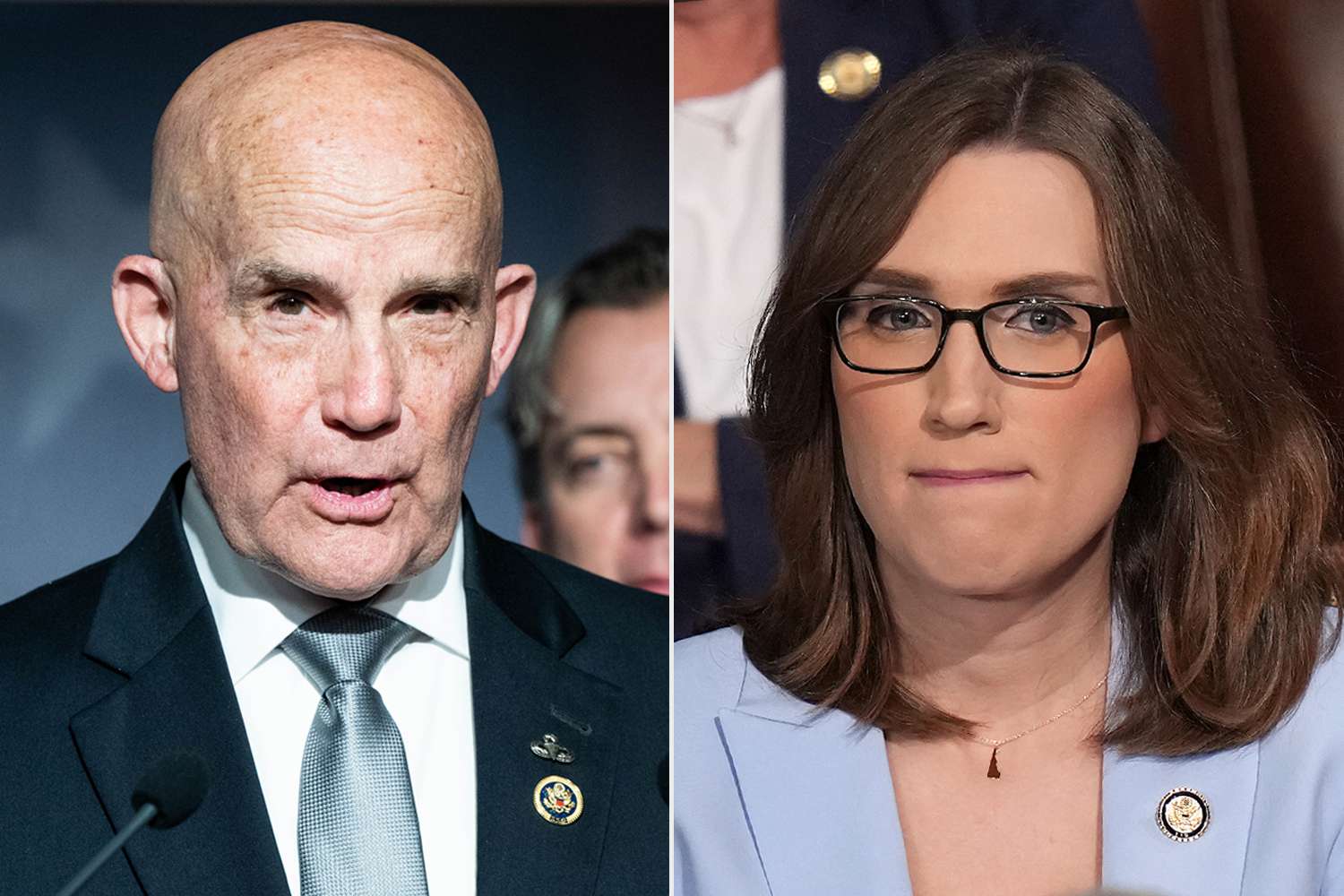
Keith Self and Sarah McBride
Whether President Donald Trump is smart is debatable, but when it comes to tapping into fear and division he’s a genius.
Trump recently issued an executive order instructing federal agencies to scrub certain words or phrases (there are 213…for now), from all government documents and communications. It’s part of a broader campaign to dismantle diversity, equity, and inclusion (DEI) efforts—programs the administration claims favor identity over merit. (It should be noted, however, that the order is cleverly worded “in official and unofficial agency guidance and in other documents viewed by The New York Times. Some ordered the removal of these words from public-facing websites, or ordered the elimination of other materials (including school curricula) in which they might be included.”)
Among the targeted terms are words long associated with fairness and dignity: “diverse,” “equity,” “inclusion,” “gender,” “transgender,” “non-binary,” “LGBTQ,” “climate,” “discrimination,” and “hate speech.” Their removal or restricted use marks a deliberate step away from acknowledging the lived experiences of millions of Americans.
And, as expected, Congressional Republicans are bending a knee and caving to the president’s wishes.
The New York Times reported that “A Republican lawmaker [Representative Keith Self of Texas], abruptly adjourned a congressional hearing … after being challenged for referring to Representative Sarah McBride, Democrat of Delaware and the first openly transgender lawmaker in Congress, as a man.”
“Mr. Chairman, you are out of order,” Rep. William Keating of of Massachusetts, the ranking Democrat on the subcommittee fired back. “Mr. Chairman, have you no decency? I mean, I’ve come to know you a little bit. But this is not decent.”
“Mr. Self said it was time to continue the hearing. But Mr. Keating refused to let go.
“‘You will not continue it with me unless you introduce a duly elected representative the right way,’ he said.”
The Trump administration frames this purge of language as a return to traditional values: merit, family, and freedom. But when the effort begins by erasing words tied to identity, fairness, and inclusion, the intent becomes clear—this is less about merit and more about control.
For those who support it, being “woke” means staying alert to injustice, standing up for equality, and confronting systemic racism where it exists.
However, critics interpret “woke culture” as something different: a climate where people hesitate to speak openly, worried their views may conflict with current thinking. They fear that honest dialogue is being replaced by the risk of being branded intolerant or morally wrong.
When thoughtfully implemented, DEI programs don’t undermine merit—they strengthen it. They work to strip away the hidden biases that keep qualified individuals from being seen, heard, or hired. They ensure that everyone, regardless of race, gender, or background, has a fair shot.
As for Representative McBride, she’s not looking to be the center of a cultural war. “She prefers to talk about economic issues and rarely discusses or calls attention to her identity. And she generally gives her G.O.P. colleagues the benefit of the doubt when it comes to dealing with her.”
At a time when acceptance of others is under attack—and words themselves are being stripped from our public language—it’s worth remembering: silence in the face of injustice is not neutral. It’s a choice. And history will remember who had the courage to speak out… and who chose to look away.
Comments

Recent Commentaries
November 4, 2026
October 20, 2026
Has America Lost Its Way?
October 16, 2026
All The President’s Targets
October 13, 2026
Integrity Doesn’t Require a Megaphone
October 12, 2026
WHOSE PURPOSE DOES THIS SERVE?
October 9, 2026

Choreographer of Disaster
October 5, 2026
I Am Not a Politician, and I Have No Partisan Loyalties
October 2, 2026
A Man of Incorruptible Integrity
September 29, 2026

HUMAN VALUES: NOT SPECIFIED
September 23, 2026
You Can’t Do That.
September 21, 2026
Read More Articles
The Latest... And Sometimes Greatest
I AM SICKENED
Tonight, protesters are surrounding the Kennedy Center, the living memorial to John F. Kennedy and the heartbeat of Washington’s cultural life. They are there because...
September 18, 2026
The Courage to Defend a Principle
In 1998, at the height of the Clinton-Lewinsky scandal, Secret Service Director Lewis Merletti was driving to work when a radio report stopped him cold....
September 17, 2026
The Better Angels Among Us
By all appearances, we are becoming less the land of the brave than the land of resentment. Every day is Groundhog Day: same arguments, same...
September 14, 2026
We Remember
On September 11, 2001, nearly 3,000 people were killed in terrorist attacks in New York, at the Pentagon, and aboard Flight 93 in Pennsylvania. More...
September 11, 2026
Mister Roberts!
One of my favorite movies is Mister Roberts, the 1955 comedy-drama set aboard the USS Reluctant in the Pacific during World War II. Henry Fonda...
September 8, 2026
Where’s the Character
In 1984, Wendy’s ran a television commercial featuring the redoubtable Clara Peller, staring at an enormous hamburger bun. Inside was a burger patty smaller than...
August 7, 2026