Published: December 23, 2025
By Jim Lichtman
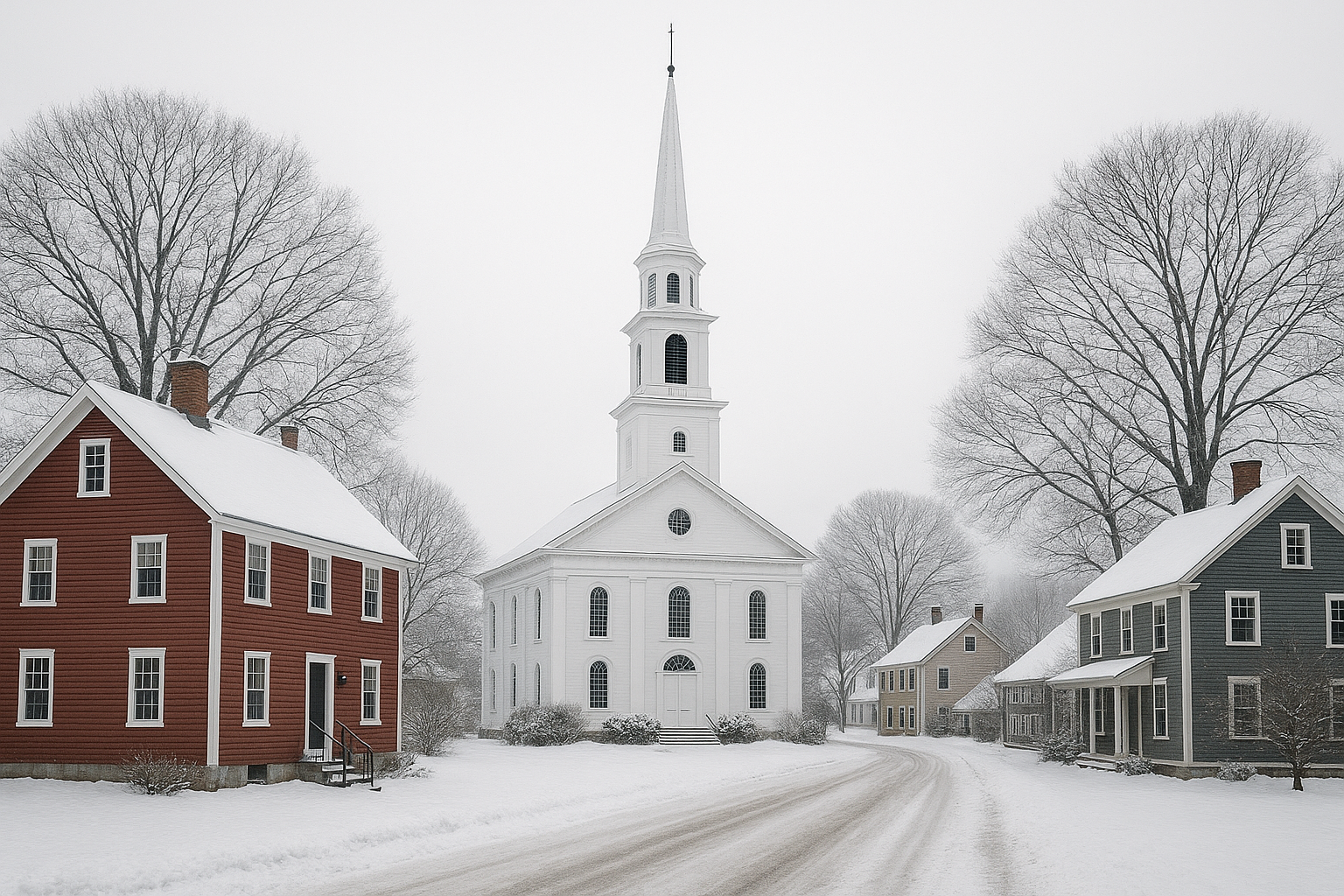
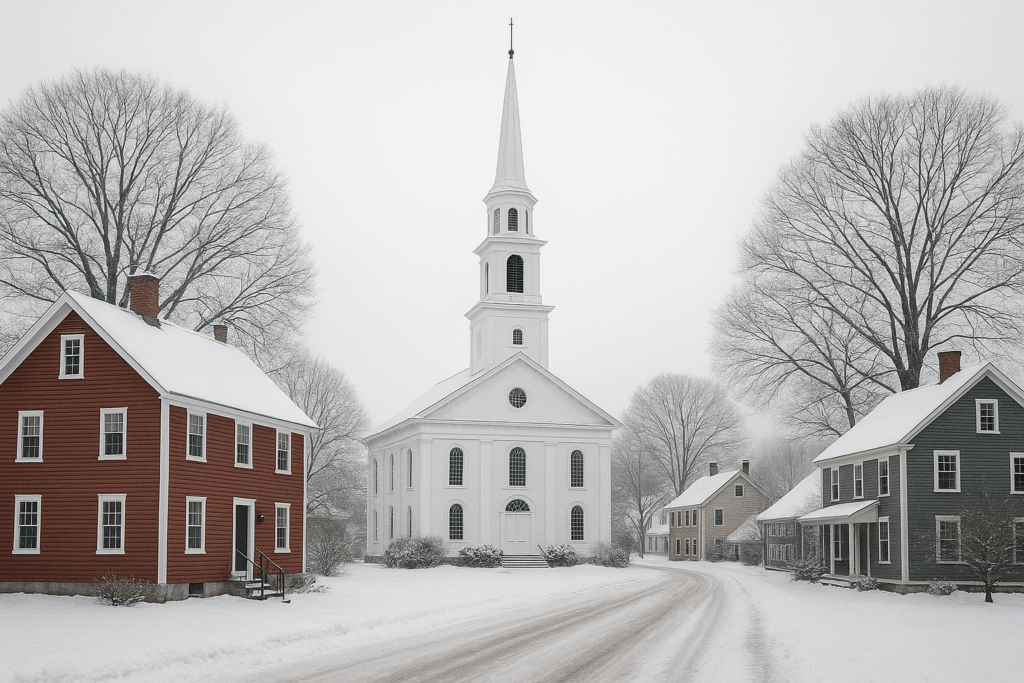
Emily returned to the attic the next evening.
The attic felt different, not mysterious, purposeful. She unlocked the small door again and stood for a moment, looking at the shelves lined with lanterns. She counted at least twenty-four before she stopped. They had not been forgotten. They had been prepared.
One by one, she carried the lanterns down carefully, setting them in the fellowship hall beneath the soft glow of the overhead lights. From the church office, she found plain stationery and wrote notes… a lot of notes:
Please light this candle—
for your home,
for our town,
for all of us.
She tucked a note and a beeswax candle into each lantern.
As she worked, she thought about the man who had written the letter, a fellow citizen who cared deeply about his town. She also thought of Harrington, the town craftsman who had made the lanterns by hand. The man who wrote the letter had seen a community grow tired, not broken, just quietly worn down by a time that was anxious and unsettled by events beyond their control. Once before, in another moment of strain, he had answered weariness the same way by offering light.
Outside the church windows, the town looked much as he had described: kind, decent, but lately… a little dimmed.
She approached her task not as a job, but as a deep sense of civic responsibility.
She carried the first lantern to the front steps of the church and set it gently beside the door, the candle already lit. She placed a second lantern near the town green, a third on the bench outside the post office. By the time the church bell marked the hour, a quiet path of waiting light had begun to form.
She lingered only a moment, then stepped back, letting the lanterns stand on their own. No instructions. No explanation. Each one would have to be discovered and opened. Light, after all, only mattered when someone decided to tend it.
The air had turned cold, but the town was quiet in a way that felt expectant, not empty. A calm resolve came over the teacher. Light, she understood now, did not demand attention. It invited it. And sometimes, that was enough to remind people of who they were, and who they still could be. …
Tomorrow: the Conclusion
Comments


Recent Commentaries

An Easter Message That Matters
April 4, 2026
The Man Who Feared What We Might Become
March 30, 2026
Same Price. Same War. Different Truth
March 25, 2026

Who Writes This Stuff: Jim or A.I.?
March 23, 2026

Loyalty vs. Conscience
March 19, 2026

When Will This Madness End!?
March 18, 2026

When Government Threatens the Truth
March 16, 2026

Separating Fact from Rhetoric
March 12, 2026

Lindsay Vonn’s Gold Medal Moment
March 12, 2026

Teaching an Algorithm Right from Wrong
March 9, 2026
Read More Articles
The Latest... And Sometimes Greatest
Now, More Than Ever
In moments of national crisis, a nation discovers whether its founding principles are merely words on paper, or values worth defending. As the 150th anniversary...
March 6, 2026
Peace Is Not an Elective
I had just learned of the passing of a good friend and colleague, Colman McCarthy when the memories began to return. Before I ever met...
March 2, 2026
Revelations
In 1927, Sinclair Lewis gave America a character it did not want to recognize in the mirror: Elmer Gantry. Gantry is loud, magnetic, insatiable —...
February 26, 2026
The Story of Chips, and The Cost of Looking Away
It’s just a photograph: a wartime dog sitting alert, ears up, wearing a military harness. But the story about a World War II sentry dog...
February 23, 2026
It’s Time to Talk About Respect
A cancer has been growing in our national life, so embedded in our culture that we’ve stopped acknowledging it. In the 1940s and the decades...
February 18, 2026
Adversity and Perseverance
“How you climb a mountain is more important than reaching the top.”— Yvon Chouinard “Every new adjustment is a crisis in self-esteem”—Eric Hoffer “Retreat, Hell!...
February 16, 2026